Step 1 of 8
The Past Happened—Imagine an Alternative
Separate a completed past event from an imagined alternative without changing the facts.

Learning path · Level 8 · Tutorial 3
Discuss how a finished event might have been different. Read a short account, listen to alternative outcomes, and identify what really happened and what is imagined. Practise a brief dictation, then use guided prompts to say and write a past alternative without confusing it with the facts.

 The Past Happened—Imagine an Alternative
Separate a completed past event from an imagined alternative without changing the facts. 2 min
 Build the Two-Part Pattern
Construct an affirmative third conditional by matching the imagined Condition with its Result. 2 min
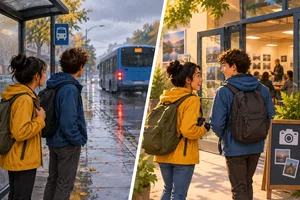 Change What Went Wrong
Use negative third conditionals to imagine how Maya and Leo could have avoided an unwanted outcome last Saturday. 2 min
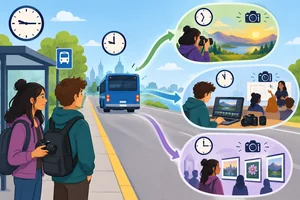 Choose the Kind of Outcome
Choose would have, could have, or might have to show an expected result, an opportunity, or a possibility in an imagined past situation. 2 min
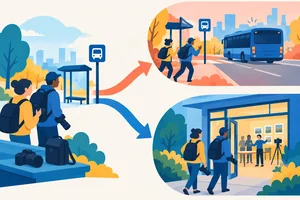 Ask About a Different Past
Ask about an alternative past response while keeping real events and imagined actions separate. 2 min
 Hear the Forms and Say Them Clearly
Hear contracted third conditionals, identify an imagined outcome, write a short dictation, and practise a clear clause boundary. 3 min
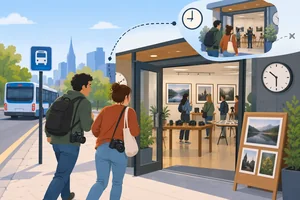 Read a Reflection Without Changing the Facts
Read a short workshop account, separate its facts from imagined alternatives, and write one supported reflection. 2 min
 Reflect on a Missed Activity
Integrate reading, listening, speaking, and writing to reflect on a missed activity without changing the facts. 4 min
Step 1 of 8
Separate a completed past event from an imagined alternative without changing the facts.
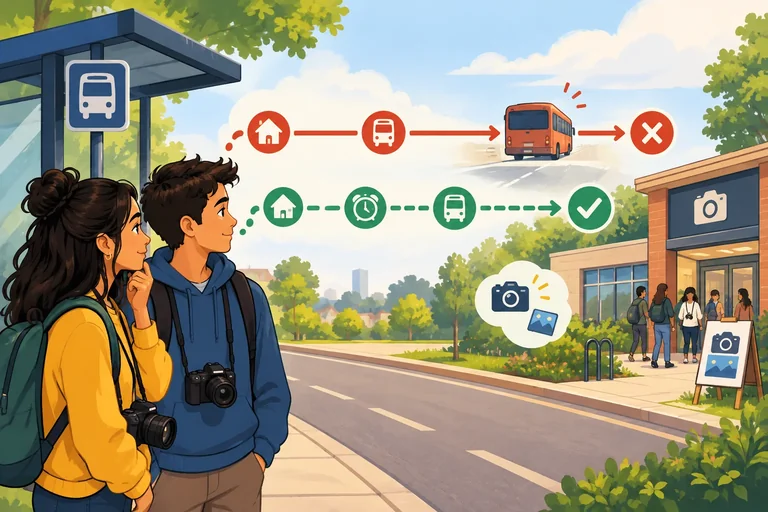
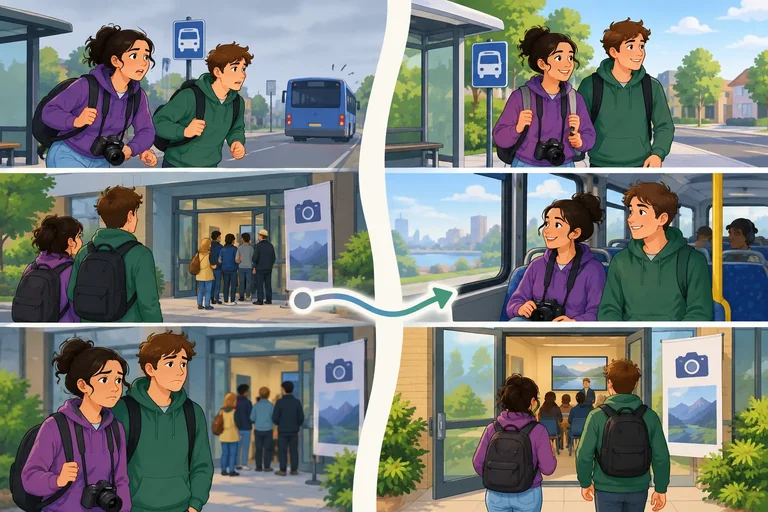
Last Saturday, Maya and Leo left home late. They missed the bus, arrived after a community photography workshop began, and missed the opening activity.
This is the Real past: a finished sequence of events. An imagined alternative can describe a different possibility, but it does not change these facts.
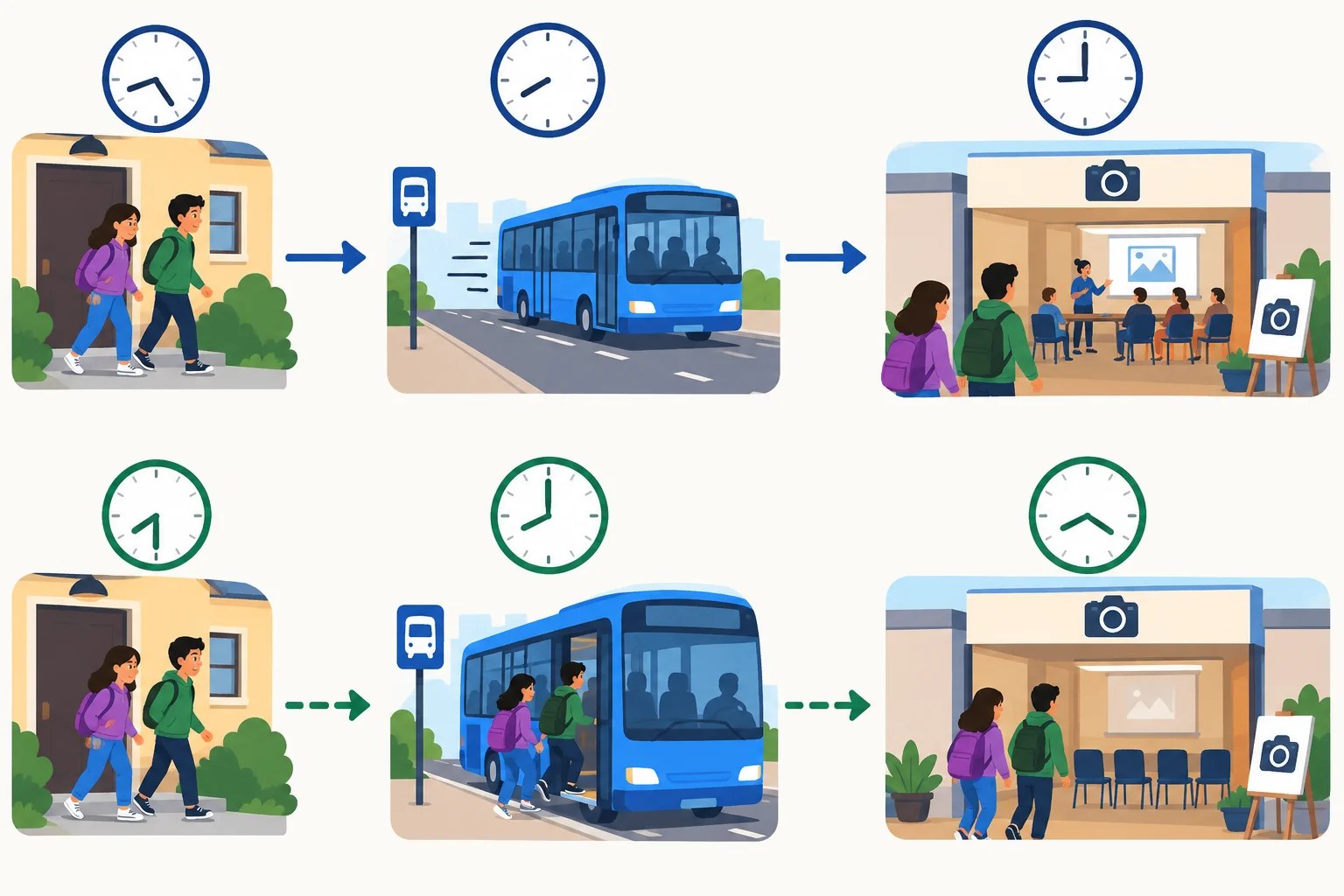
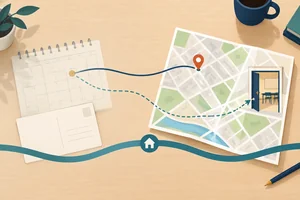
The solid path shows the Real past. The dashed path shows an Imagined past alternative.
Tip
An alternative is a different possibility considered instead of what happened. It can help us express regret or think about a missed opportunity, while keeping the real past clear.
A third conditional lets us imagine a different condition in a finished past occasion and its imagined result. Here, both ideas refer to last Saturday—not to a future plan.
The imagined version is clearly separate from the facts. Maya and Leo still left late and missed the bus in real life.
Example
Real past: Maya and Leo left home late and missed the bus.
Imagined past:
Condition: If they had left earlier,
Result: they would have caught the bus.
The second account is an imagined alternative. It does not say that they actually caught the bus.
Match each statement to Real past or Imagined past.
Tap an item and then its matching pair.
Step 2 of 8
Construct an affirmative third conditional by matching the imagined Condition with its Result.
A third conditional has two parts:
For Maya and Leo, the real past does not change: last Saturday, they left home late, missed the bus, and arrived after the workshop began. An alternative sentence imagines a different condition and result for that same morning.
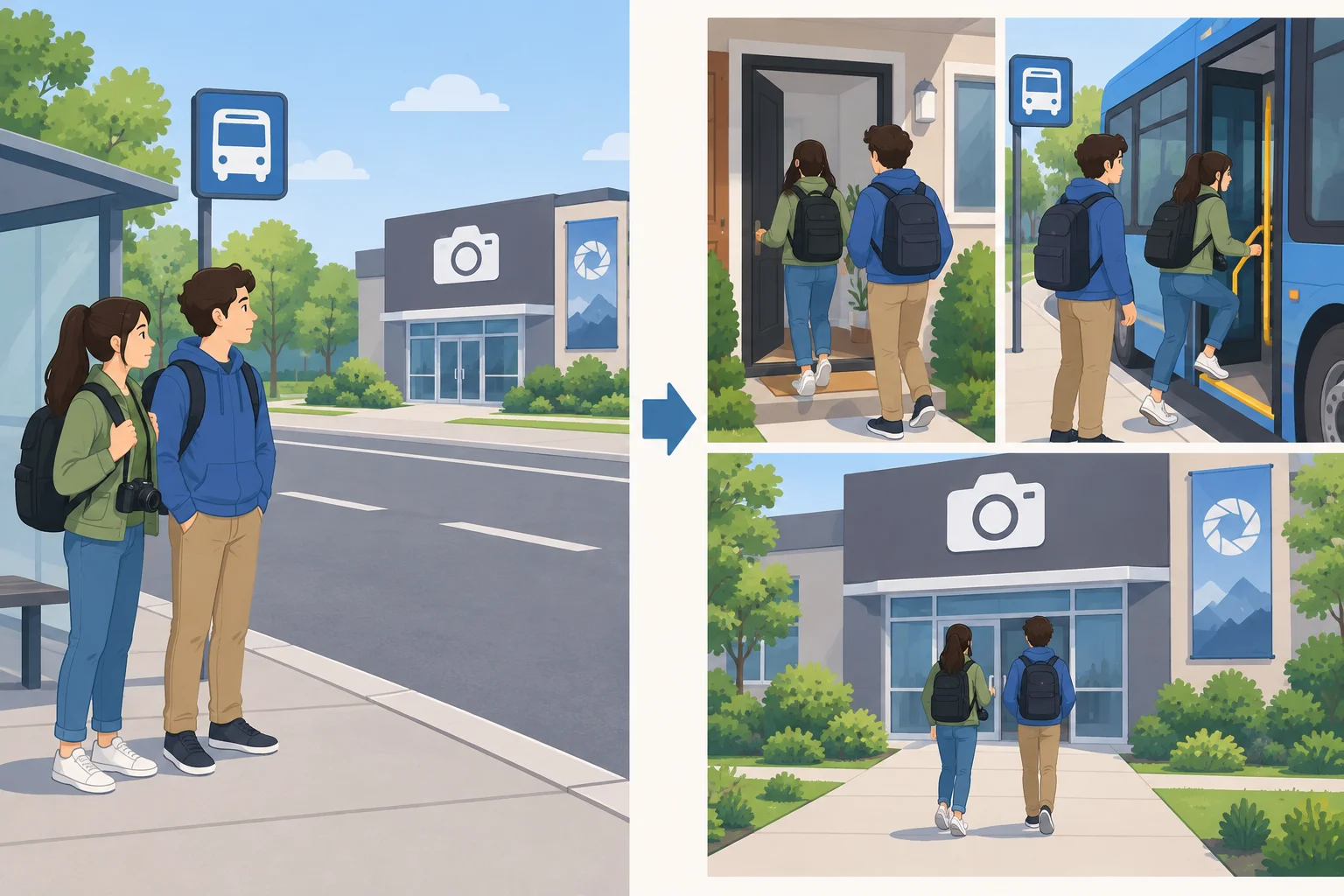
Real past stays on the left. The imagined past links a changed Condition to an imagined Result on the right.
Use this core pattern:
If + subject + had + past participle, subject + would have + past participle.
Put the imagined change in the Condition. Put its imagined consequence in the Result.
Condition: If they had left earlier
Result: they would have caught the bus
Together: If they had left earlier, they would have caught the bus.
Example
The clauses can change places.
Use a comma after an if-clause at the beginning. When the result comes first, normally do not use a comma.
Tip
In this pattern, would have belongs in the Result clause. The if-clause uses had + past participle.
Arrange the two parts to make one complete imagined-past alternative.
Your sentence
Available words
Complete both imagined alternatives with affirmative verb phrases.
If Maya and Leo  home earlier, they  the bus.

They  the opening activity if they  before the workshop began.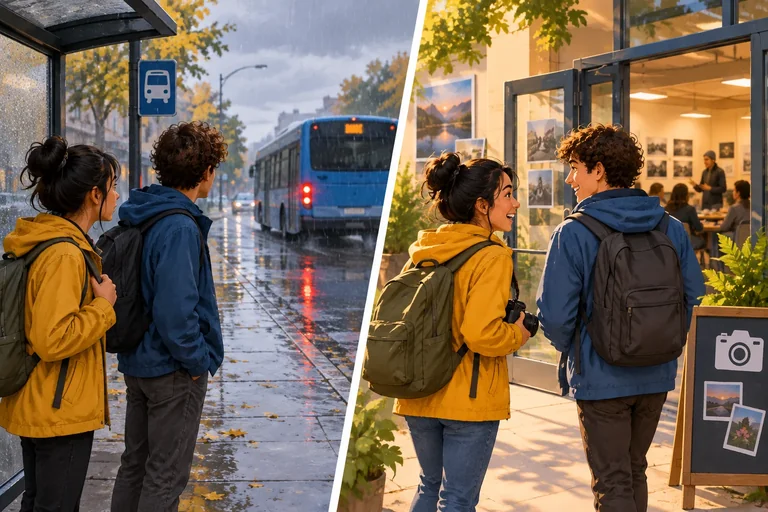
Step 3 of 8
Use negative third conditionals to imagine how Maya and Leo could have avoided an unwanted outcome last Saturday.
Last Saturday, Maya and Leo left home late that morning, missed the bus, arrived after the community photography workshop began, and missed the opening activity. Those are the Real past facts.
An Imagined past alternative does not change those facts. It imagines that an unwanted event did not happen and describes its different finished result.
Condition: If + subject + had not + past participle
Result: subject + would not have + past participle
Both clauses refer only to that finished occasion last Saturday.
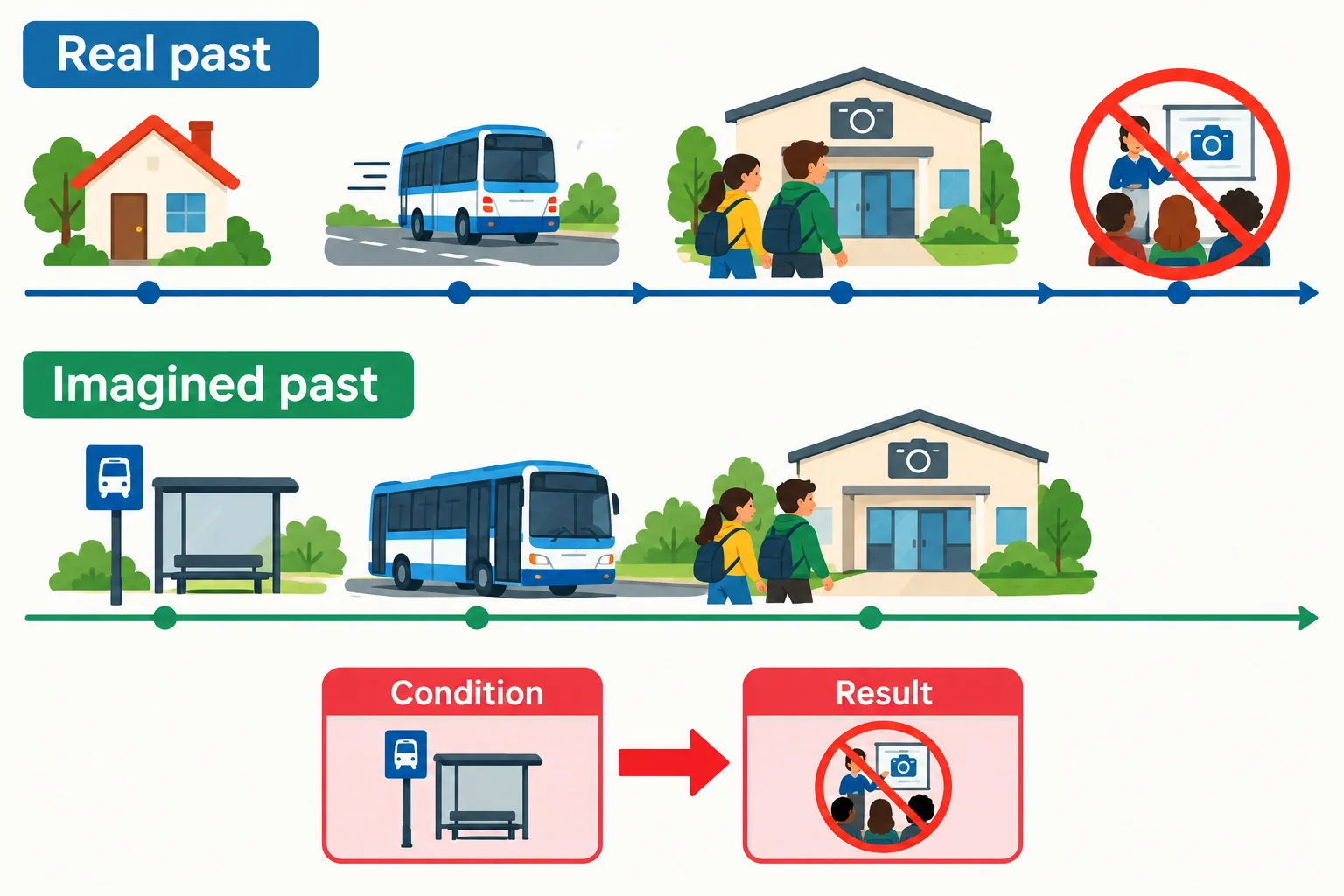
The lower timeline is an imagined alternative; it does not replace what really happened.
Use a negative form where your intended alternative needs one.
There is no rule that every verb must be negative. Choose the signs that match the meaning. For example, an earlier departure is a positive change, but not missing the bus is a negative result.
A third conditional can simply consider an alternative, or it can express regret about a missed opportunity.
Example
Negative condition + negative result
If Maya and Leo hadn't missed the bus, they wouldn't have arrived late.
This imagines that the missed bus did not happen, so the late arrival did not happen either.
Positive condition + negative result
If they had left earlier, they wouldn't have missed the bus.
Leaving earlier was an alternative that would have helped avoid a delay and prevent a problem.
Complete the imagined alternative.
If Maya and Leo hadn't missed the bus, they __ arrived late.
Real past: Maya and Leo missed the bus and arrived late last Saturday.
Choose the completed conditional that expresses the alternative in which neither unwanted event happened.
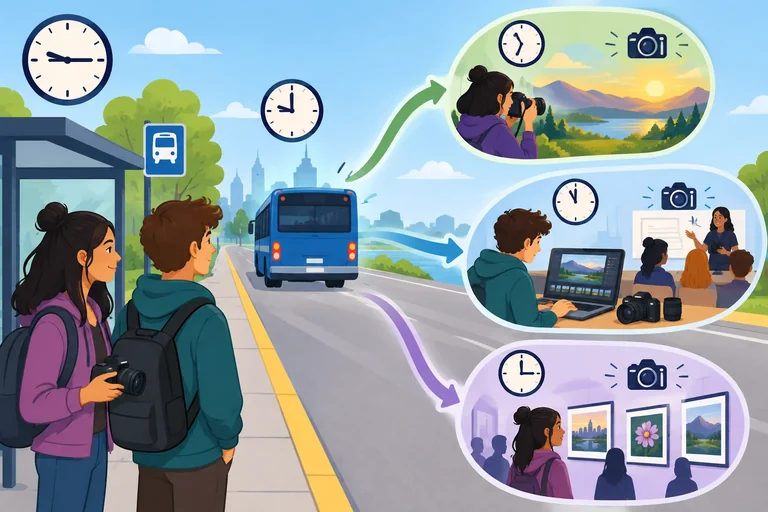
Step 4 of 8
Choose would have, could have, or might have to show an expected result, an opportunity, or a possibility in an imagined past situation.
Real past: Last Saturday, Maya and Leo left home late, missed the bus, arrived after a community photography workshop began, and missed the opening activity.
Imagined past: We can imagine a different condition and a different result for that finished occasion. The real past does not change.
The condition stays the same with each result modal:
If + subject + had + past participle, subject + modal + have + past participle.
The modal in the result clause shows how the speaker sees the imagined outcome.
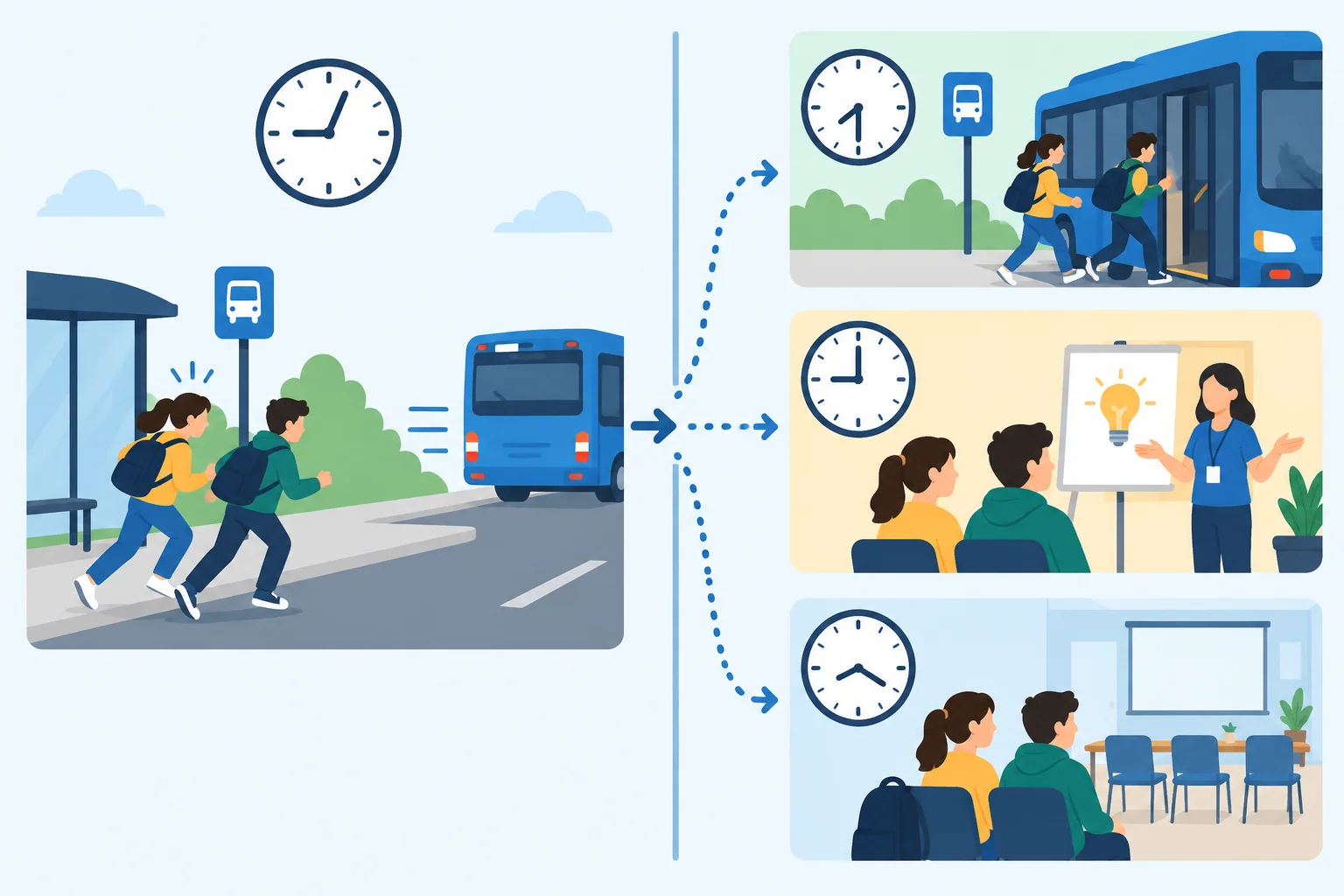
One unchanged past event can lead to different imagined results.
Choose the result modal by meaning, not by a percentage. Every sentence below is an Imagined past alternative, not a report of what really happened.
The Condition is identical in all three examples. Only the Result changes to show Maya's or Leo's meaning.
| Intended meaning | Result modal | Full imagined sentence |
|---|---|---|
| Expected result | would have | If they had left earlier, they would have caught the bus. |
| Available opportunity | could have | If they had left earlier, they could have joined the opening activity. |
| Possible result | might have | If they had left earlier, they might have arrived before the workshop began. |
Tip
Would have presents the result as expected in that imagined situation. Could have focuses on an ability or available opportunity. Might have presents a possibility, not an assured result. These choices do not express fixed numerical probabilities.
Leo wants to describe arriving before the workshop began as possible, but not certain. Choose the best completion.
If they had left earlier, they ___ arrived before the workshop began.
Maya and Leo had an available chance to join the opening activity, but Maya does not say that they definitely would have joined. Complete both missing parts in this format: modal — meaning word.
If they had left earlier, they _ joined the opening activity. This describes an imagined _.
Step 5 of 8
Ask about an alternative past response while keeping real events and imagined actions separate.
Last Saturday, Maya and Leo left home late, missed the bus, arrived after the community photography workshop began, and missed the opening activity. Those are the Real past facts.
A third conditional question asks about an Imagined past alternative. It asks how a finished occasion could have been different; it does not change what really happened.
For an information question, use:
question word + would + subject + have + past participle + if + subject + had + past participle
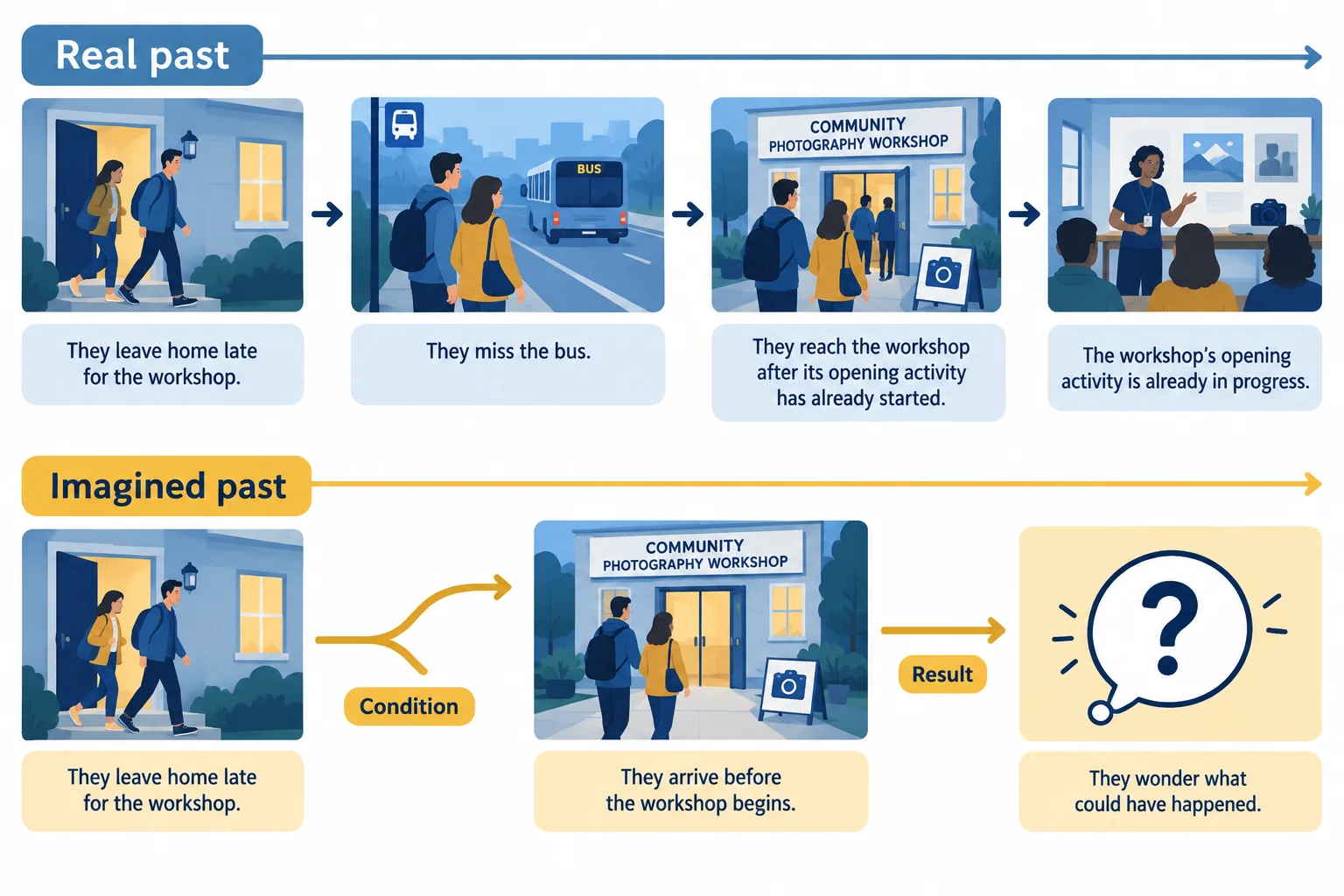
Keep the real sequence separate from the imagined question.
Example
What would Maya and Leo have done if they had arrived before the workshop began?
Imagined past answer: They would have joined the opening activity.
The question begins with what would. Inside the if-clause, the words stay in statement order: they had arrived, not had they arrived.
A yes-or-no question can begin with Would:
Would Leo have taken photographs during the opening activity if he had arrived before the workshop began?
Short answers use the same modal:
The if-clause still has statement order: if he had arrived. The answer describes an imagined action on that finished past occasion, not a future plan.
Tip
When you ask about a different past, put would have in the main question part. Do not put would have after if in this pattern.
Build the question.
Your sentence
Available words
Write two lines.
Keep the question and answer separate from the Real past facts about last Saturday.
Write at least 45 characters (0/45).

Step 6 of 8
Hear contracted third conditionals, identify an imagined outcome, write a short dictation, and practise a clear clause boundary.
Contractions can hide two different grammar words.
If I'd known, I'd have helped.
Listen to the word after I'd:
In natural speech, have is often weak and short after would, could, or might. However, the written word is always have, never of.
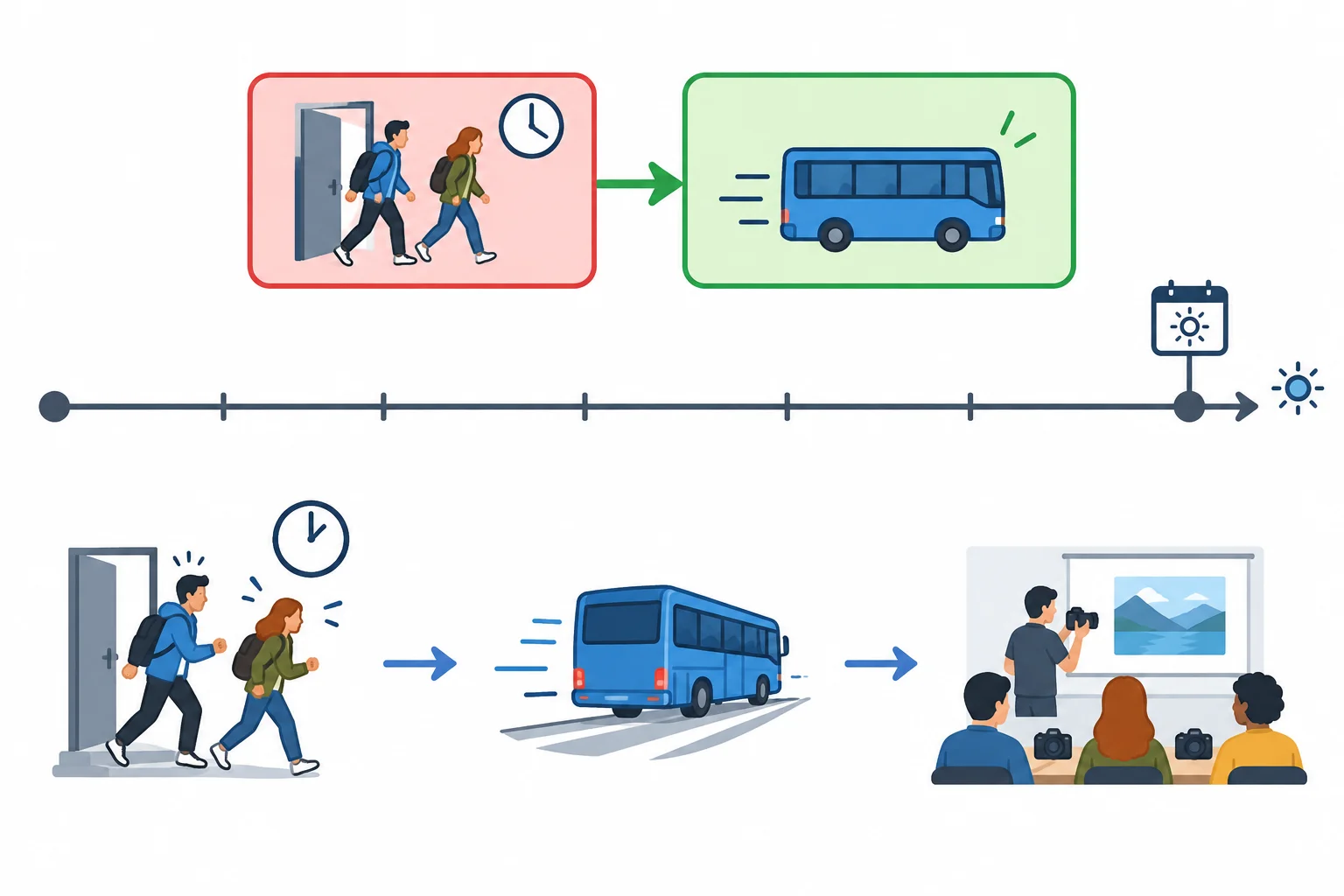
Real past: Maya and Leo left home late, missed the bus, and arrived after the workshop began. Imagined past: an earlier departure leads to an imagined result.
Listen for the two meanings of I'd.
If I'd known, I'd have helped.
Tip
Use a short pause to separate the ideas. Stress the changed action and the imagined result:
If I'd KNOWN, / I'd have HELPED.
The slash is a pronunciation guide only. Do not write it in an ordinary sentence.
Listen and choose an option.
Listen and choose the alternative described.
If they had left earlier, they could have caught the bus.
Listen and write what you heard.
Listen and write the complete imagined-past sentence.
Return to the sentence you wrote on the previous screen. Say it aloud twice.
On the second time, make a short pause between the Condition and the Result. Check that your first verb phrase has had + past participle and your second has would have + past participle.
Then type the two verb phrases you said, one on each line.
Write at least 8 characters (0/8).
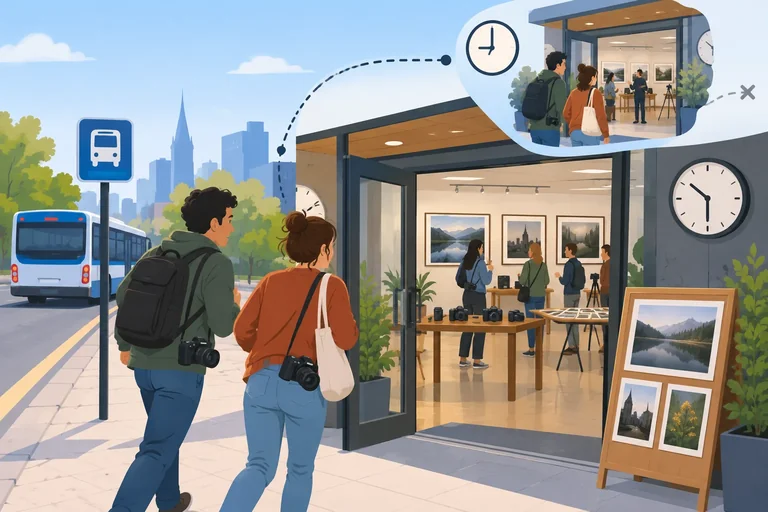
Step 7 of 8
Read a short workshop account, separate its facts from imagined alternatives, and write one supported reflection.
Last Saturday, Maya and Leo left home late. That morning, they missed the bus. They arrived after the community photography workshop began, and they missed the opening activity.
These are Real past facts. The opening activity was a missed opportunity.
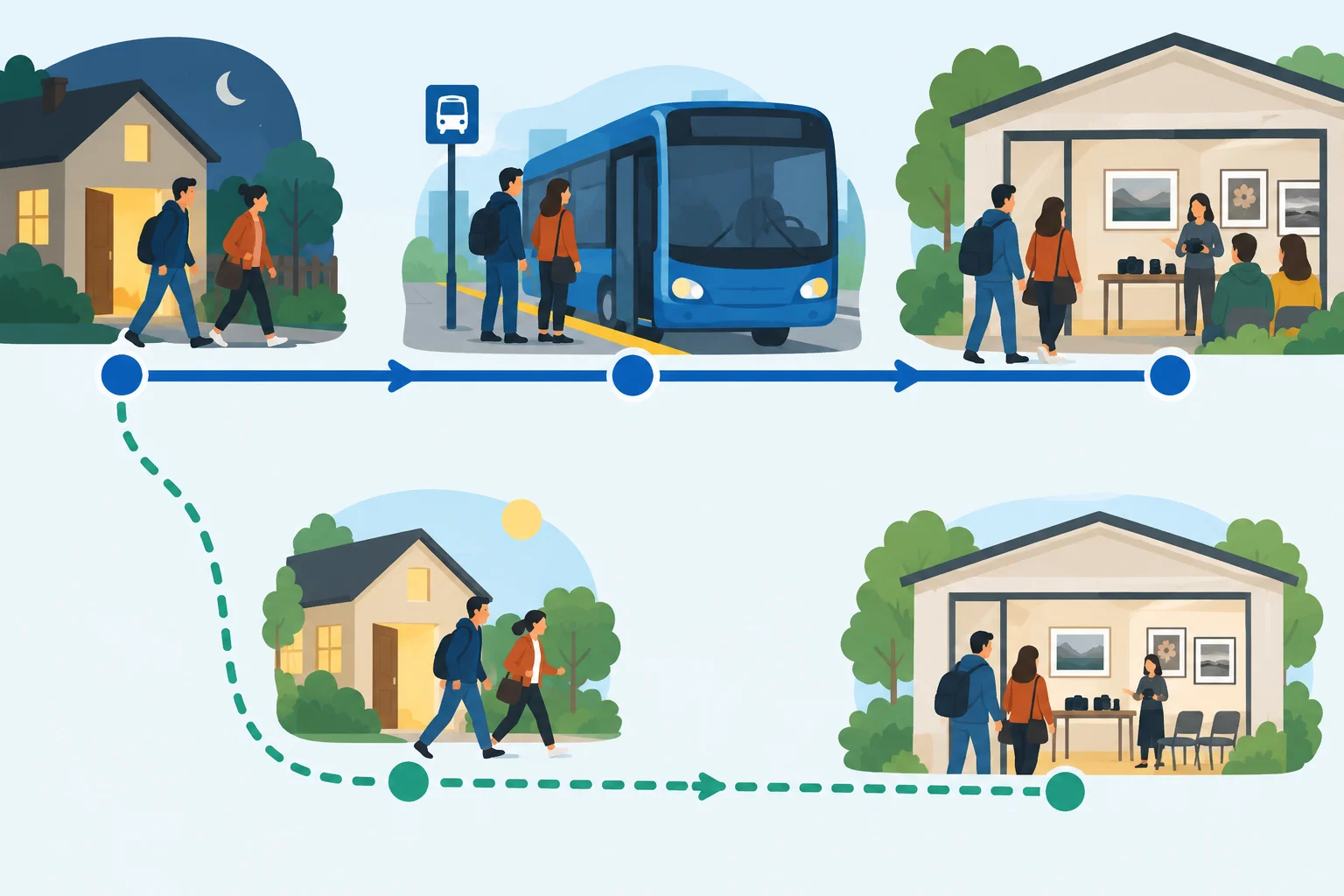
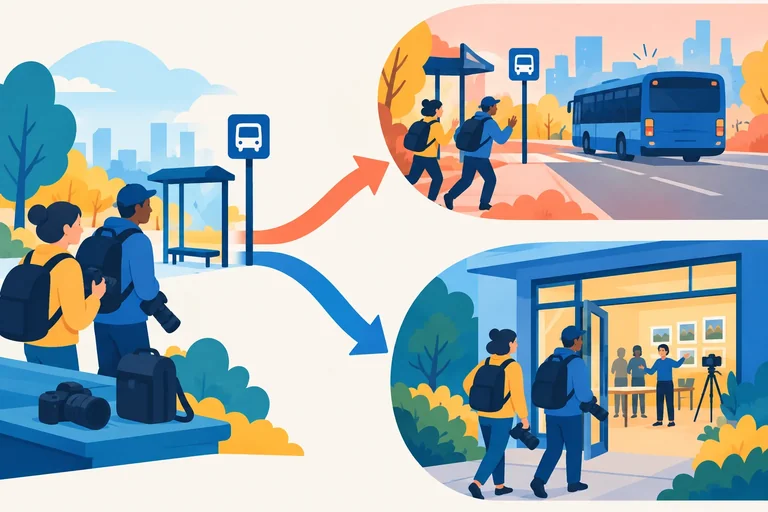
The solid path is the Real past. The dashed branch is an Imagined past alternative; it does not change the facts.
A reflection starts with the evidence, then clearly signals an alternative.
The second sentence does not report a new event. It considers a different possibility. Keep imagined results separate from the factual account.
Choose the result modal for the meaning you intend. Do not present a possible benefit as if it definitely happened.
| Intended meaning | Supported reflection | It does not claim |
|---|---|---|
| Expected result | If they had left earlier, they would have caught the bus. | They caught the bus. |
| Available opportunity | If they had left earlier, they could have joined the opening activity. | They joined the opening activity. |
| Possible benefit | If they had left earlier, they might have avoided a delay. | They avoided a delay. |
Match each detail to its category.
Tap an item and then its matching pair.
Use the workshop account.
Do not add a new person, event, or result that the account does not support.
Write at least 60 characters (0/60).

Step 8 of 8
Integrate reading, listening, speaking, and writing to reflect on a missed activity without changing the facts.
Real past: Last Saturday, Maya and Leo left home late, missed the bus, arrived after the community photography workshop began, and missed the opening activity.
Imagined past: A third conditional changes part of that finished occasion only in the speaker's imagination. It does not change the facts.
As you reflect, keep factual sentences and imagined alternatives clearly separate.
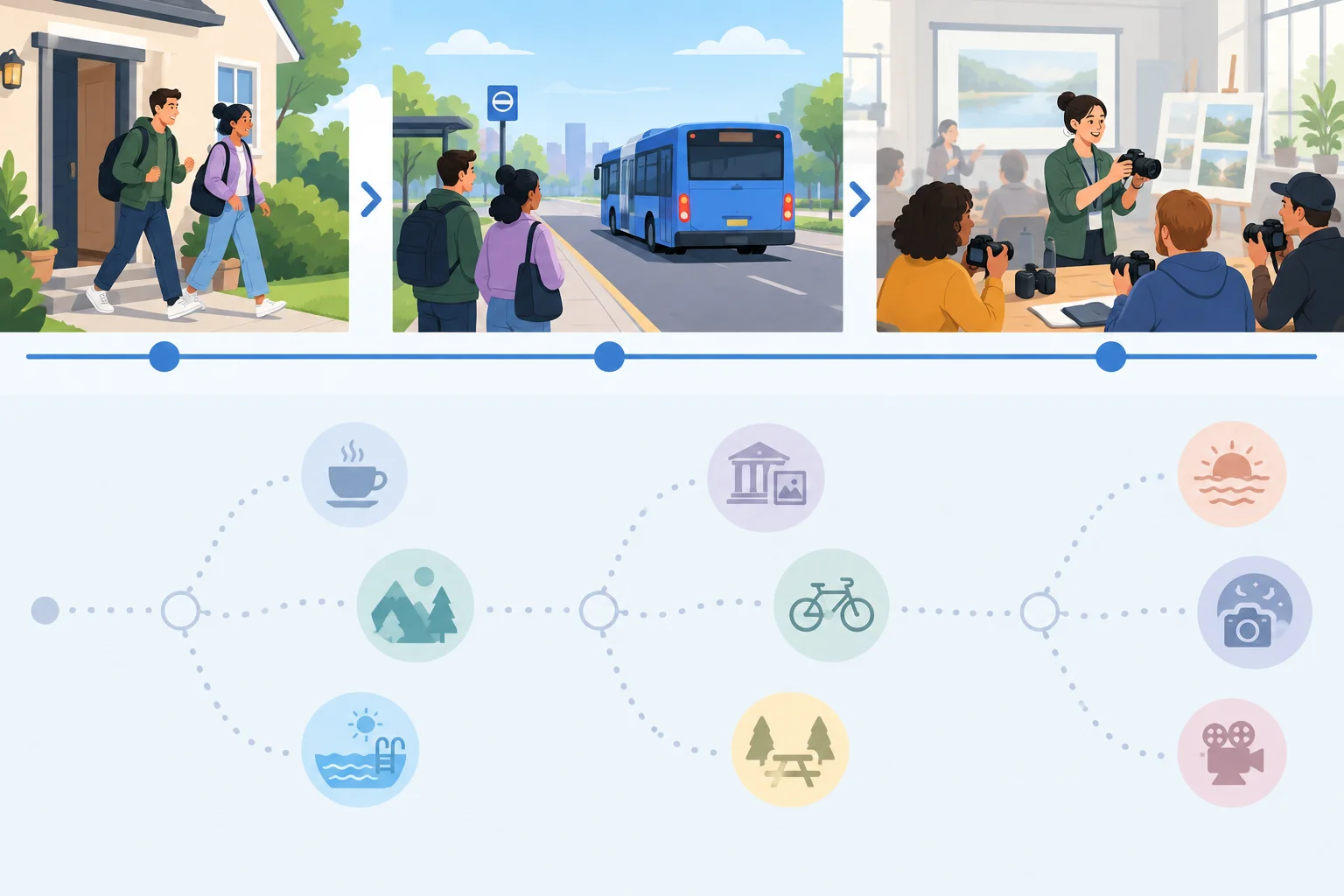
The solid sequence is the Real past. The dotted branch represents an Imagined past, not a second real event.
Tip
Before you write, ask one meaning question: Did this happen, or is it only an alternative? Keep every imagined result inside last Saturday; do not connect it to the present.
Listen and choose an option.
Listen to Leo's comment. Which imagined alternative does he describe?
If we had left home earlier, we might have joined the opening activity.
Say your answer aloud first. Use a short pause between the two clauses. If you choose contractions, make the meaning clear: the words after I'd show whether it means I had or I would.
Then type the sentence you said.
What would you have done if you had arrived after the workshop began?
Say one third conditional answer aloud, then type it here.
Write 45–65 words about Maya and Leo's missed activity.
Include:
Write facts as facts. Mark alternatives clearly with if-clauses.
Write your 45–65-word reflection. Read it aloud once when you finish and pause between each Condition and Result.
Write at least 45 characters (0/45).
Example
Last Saturday, Maya and Leo left home late and missed the bus. They arrived after the community photography workshop had begun, so they missed the opening activity. If they had left earlier, they would have caught the bus. If they hadn't missed it, they could have joined the opening activity.
Use this quick check on your own reflection before you finish.
| Check | Question |
|---|---|
| Real past | Did I state what really happened last Saturday? |
| Imagined past | Did I include two clearly hypothetical alternatives? |
| Condition | Did each if-clause use had + past participle? |
| Result | Did each result use would, could, or might + have + past participle? |
| Meaning | Does my modal show an expected result, opportunity, or possibility? |
| Clarity | When speaking, did I make the clause boundary and any contractions clear? |
Congratulations! You completed: Imagine a Different Past with Third Conditionals
Thousands of online courses in video, ebooks and audiobooks.
To test your knowledge during online courses
Generated directly from your cell phone's photo gallery and sent to your email

Download our app via QR Code or the links below:.



Carry knowledge in your pocket.
Download the Cursa app.
There are hundreds of free courses available, with a free certificate of completion that is saved in your mobile image gallery.
Download the app to access the Course Completion Certificate for Free.


+ 10 million
students

Free and Valid
Certificate

60 thousand free
exercises

4.8/5 rating in
app stores

Free courses in
video and ebooks