Step 1 of 9
Imagine a Different Situation
Recognize when a past-looking form in an if-sentence describes an imagined present or future situation.

Learning path · Level 6 · Tutorial 4
Explore choices that are imagined rather than current plans. Read and listen to people discussing extra time, space, or opportunities. Choose matching audio and write a short sentence you hear. Then answer imagined questions aloud and write a guided response explaining your choice.
 Imagine a Different Situation
Recognize when a past-looking form in an if-sentence describes an imagined present or future situation. 2 min
 Build Choices with Would and Wouldn't
Build affirmative and negative second conditional statements with past simple in the if-clause and would or wouldn't plus a base form in the result clause. 3 min
 Imagine Being Someone Else
Use were for imagined roles with every subject, and recognize informal was as an imagined form in speech. 2 min
 Describe What You Could Do
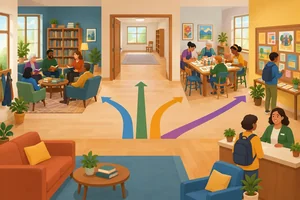
Compare would and could in imagined results, then choose the modal that matches an imagined choice or an available possibility. 2 min
 Ask About Imagined Choices
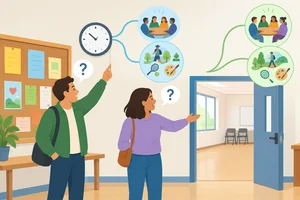
Ask questions about imagined choices with would and could, then respond directly with a reason. 2 min
 Choose a Real Plan or an Imagined Choice
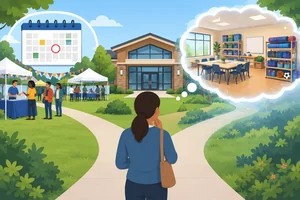
Choose the first or second conditional according to whether a speaker presents a future event as a realistic possibility or an imagined alternative. 2 min
 Read and Listen for the Choice
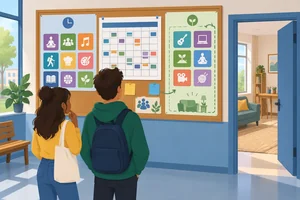
Read imagined choices at a local community center, match each condition to its result, and select the spoken continuation that keeps the intended modal meaning and negative or positive form. 2 min
 Hear and Say I'd, We'd, and Wouldn't
Hear, write, and say common would contractions clearly in imagined-choice answers. 3 min
 Discuss Your Imagined Opportunity
Bring together imagined conditions, choices, possible benefits, reasons, and follow-up questions in a short community-center discussion. 3 min
Step 1 of 9
Recognize when a past-looking form in an if-sentence describes an imagined present or future situation.
In the last tutorial, an if sentence helped you discuss a realistic backup plan. Now you will use if to imagine a different situation.
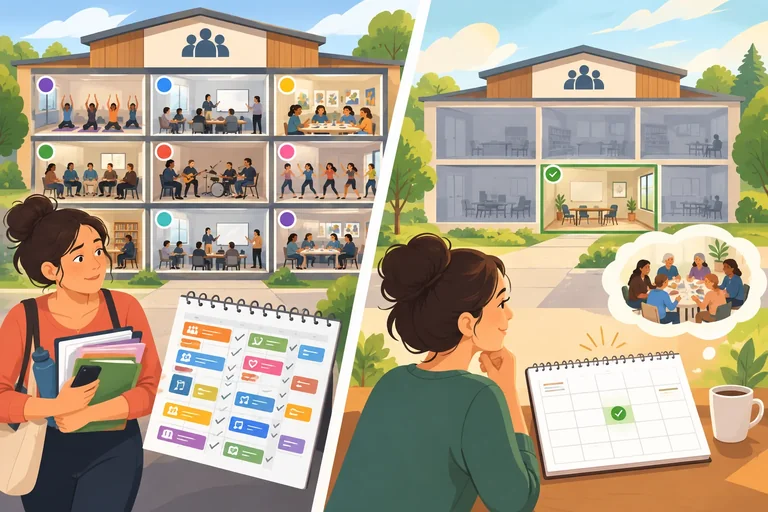
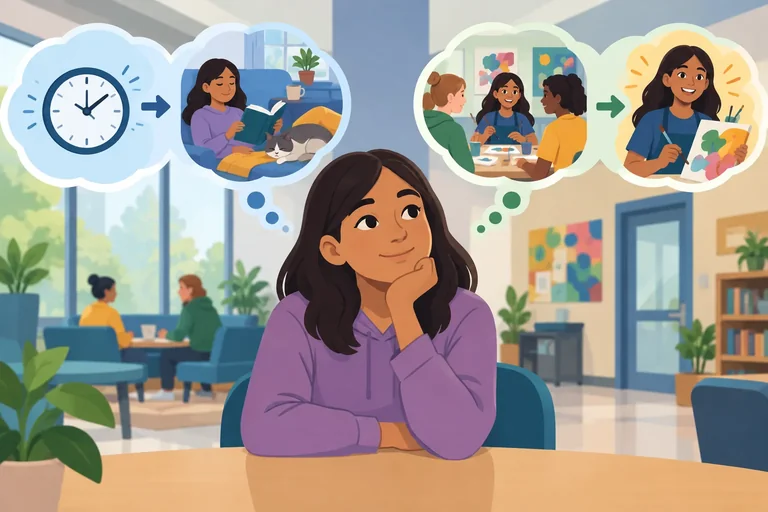
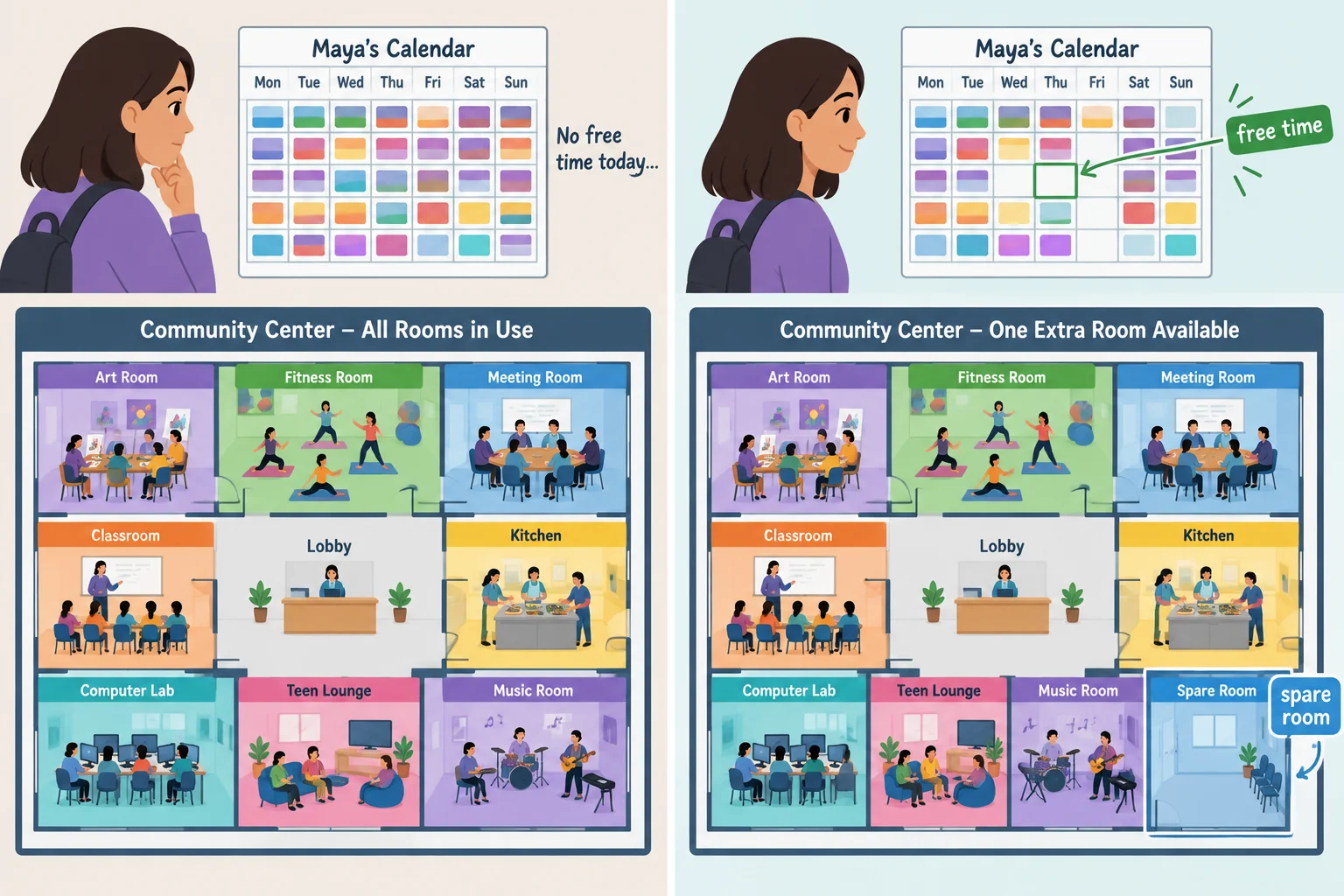
Maya currently has little free time, and the local community center currently has no spare room—an extra room available for another use. These facts can become imagined alternatives.
The second conditional describes an imagined or unlikely situation in the present or future. It is not a report about a finished past event.
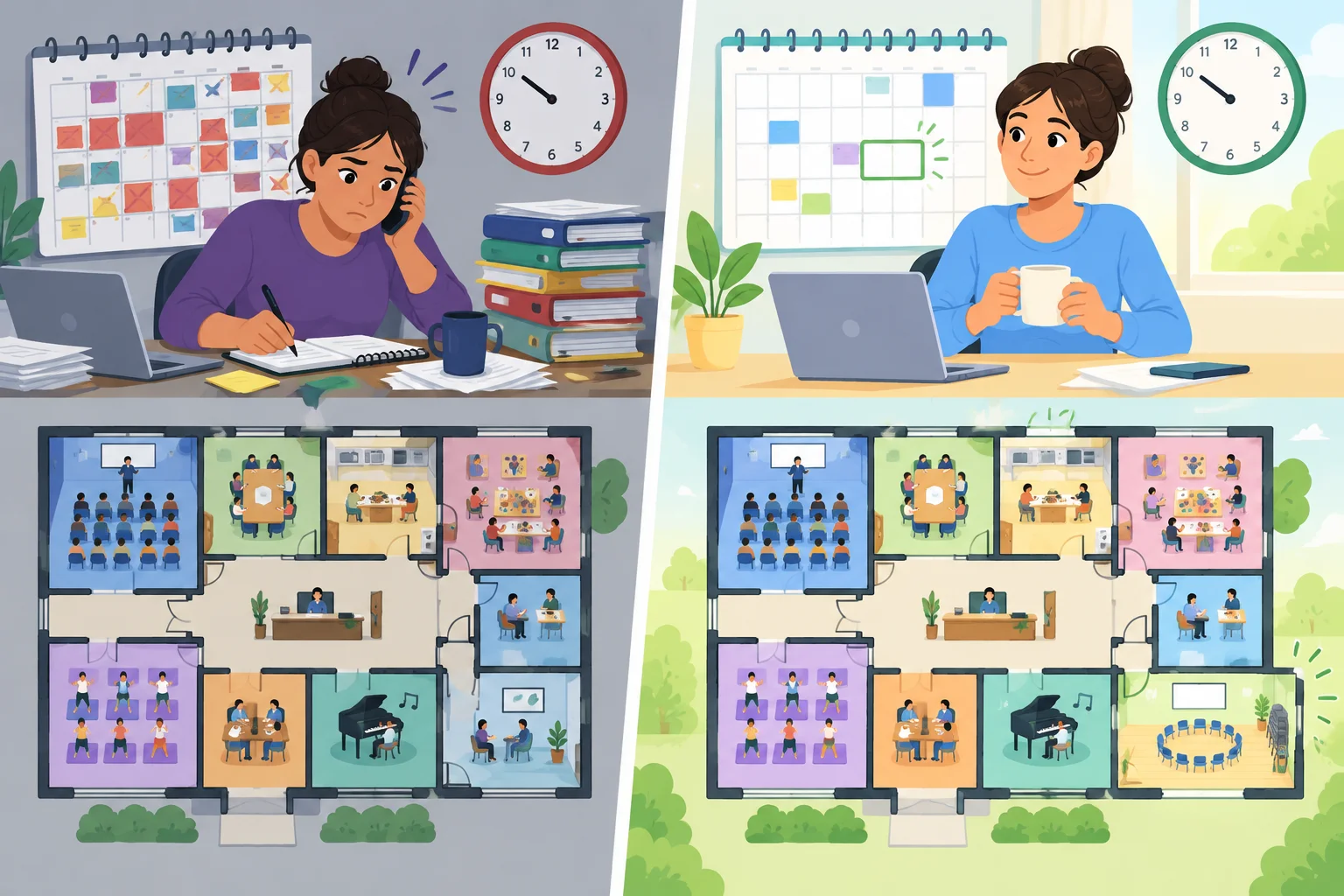
Current facts can be the starting point for an imagined alternative.
Look at the meaning, not only the verb form. In these sentences, had looks like a past form, but it does not mean “at an earlier finished time.” It creates distance from the current reality.
An imagined situation can lead to a possible different result.
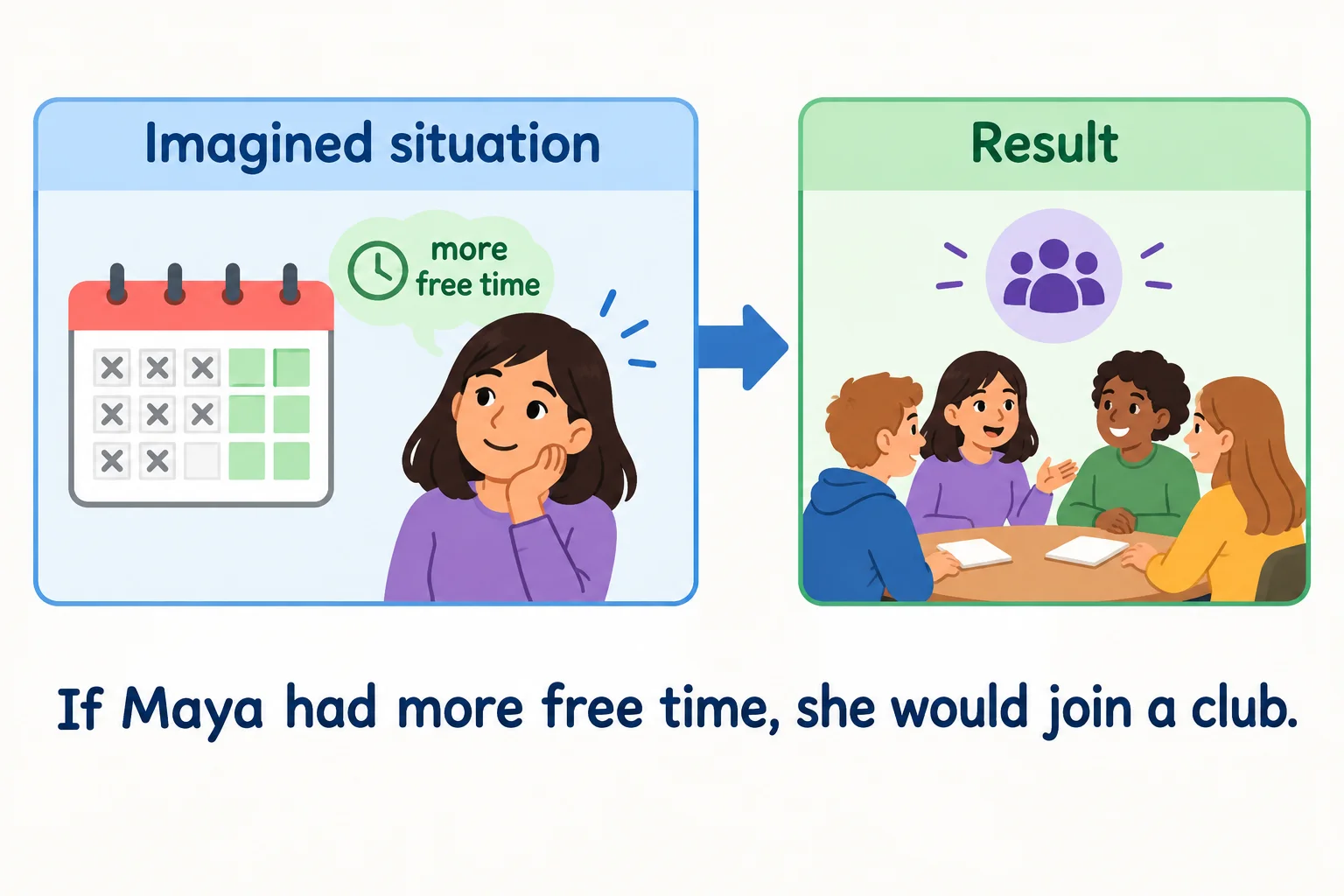
The imagined situation and its result are connected, even when the sentence uses a past-looking form.
Match each sentence to its meaning.
Tap an item and then its matching pair.
Step 2 of 9
Build affirmative and negative second conditional statements with past simple in the if-clause and would or wouldn't plus a base form in the result clause.
An imagined choice has two linked parts. The if-clause gives the imagined situation. The result clause says what follows.
Pattern: If + subject + past simple, subject + would + base form.
The past simple here signals an imagined present or future situation, not past time.
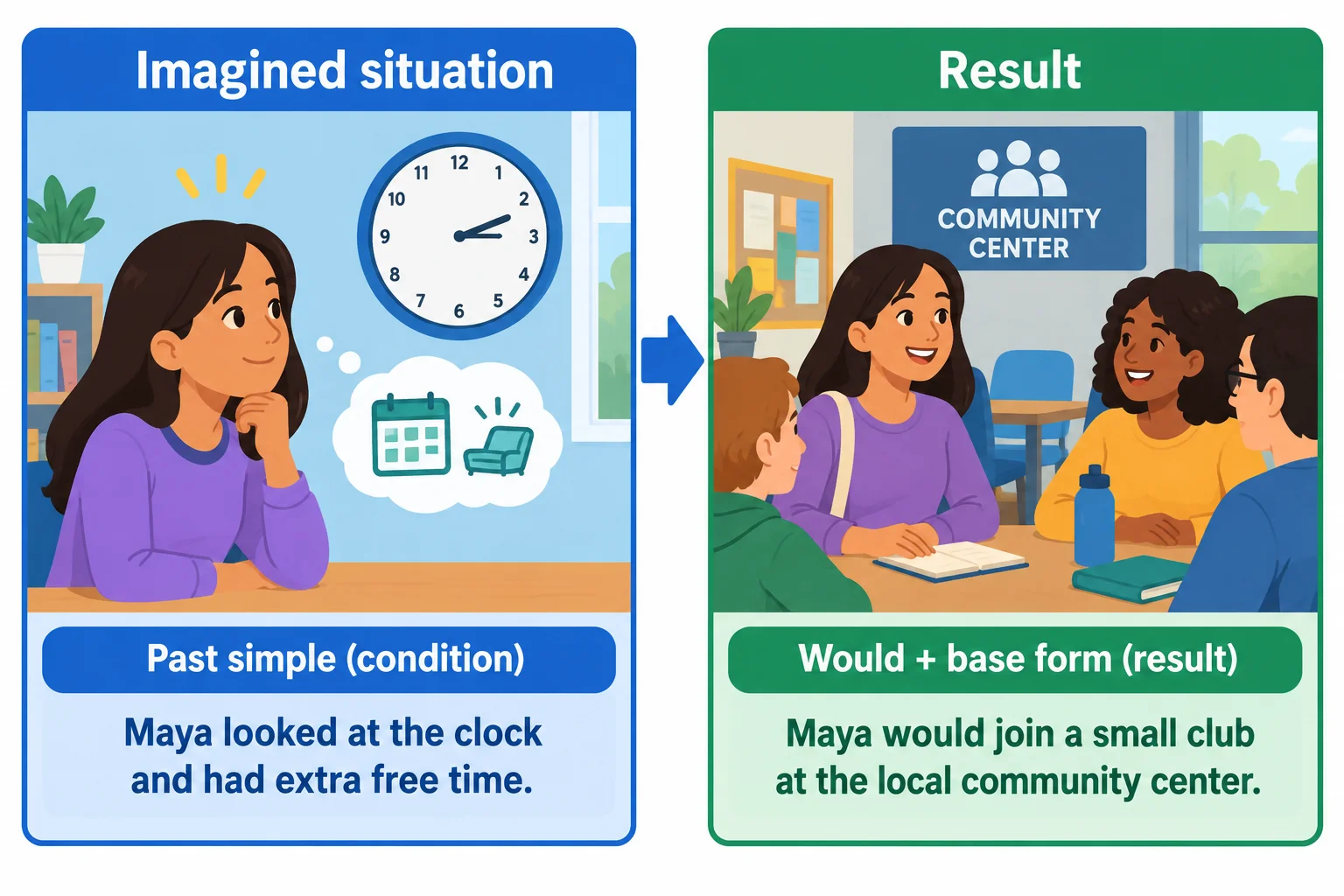
Use past simple in the imagined situation and would + base form in the result.
Example
If I had more time, I would join a club.
I would join a club if I had more time.
Both sentences describe the same imagined choice.
After would, use the base form of the verb: would join, not would to join or would joins.
For negatives, use didn't + base form in the if-clause and wouldn't + base form in the result clause. In this imagined-choice pattern, put would or wouldn't in the result clause—not after if.
Maya currently lives nearby. A sentence about her not living nearby imagines a different situation.
Negative forms for an imagined choice
| Sentence part | Form | Example |
|---|---|---|
| Negative if-clause | didn't + base form | didn't live nearby |
| Negative result | wouldn't + base form | wouldn't walk there |
Example
If I didn't live nearby, I wouldn't walk there.
Tip
Wouldn't means would not. Keep the verb after it in its base form.
Build the affirmative imagined-choice sentence.
Your sentence
Available words
Build one complete negative imagined-choice sentence.
Your sentence
Available words
Step 3 of 9
Use were for imagined roles with every subject, and recognize informal was as an imagined form in speech.
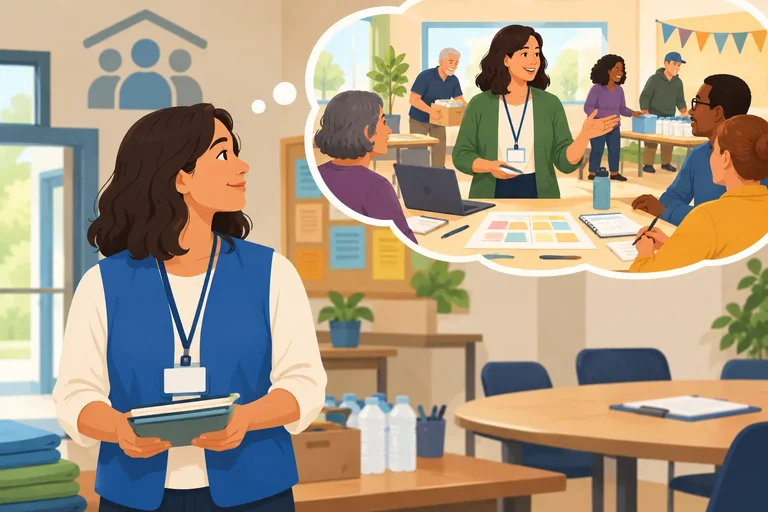
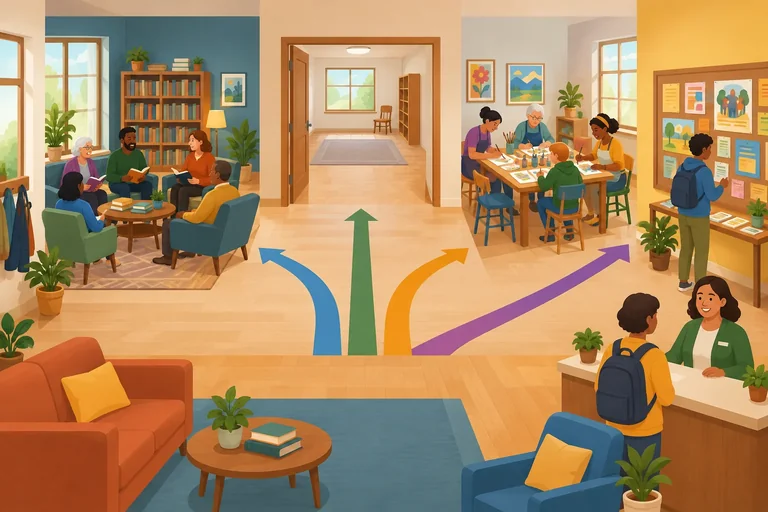
A past form in an if-clause can show an imagined role, not past time. Maya is not the organizer now. But she can imagine a different situation: If Maya were the organizer, she would improve local activities.
For imagined roles, use were after if with every subject: I, he, she, we, and they.
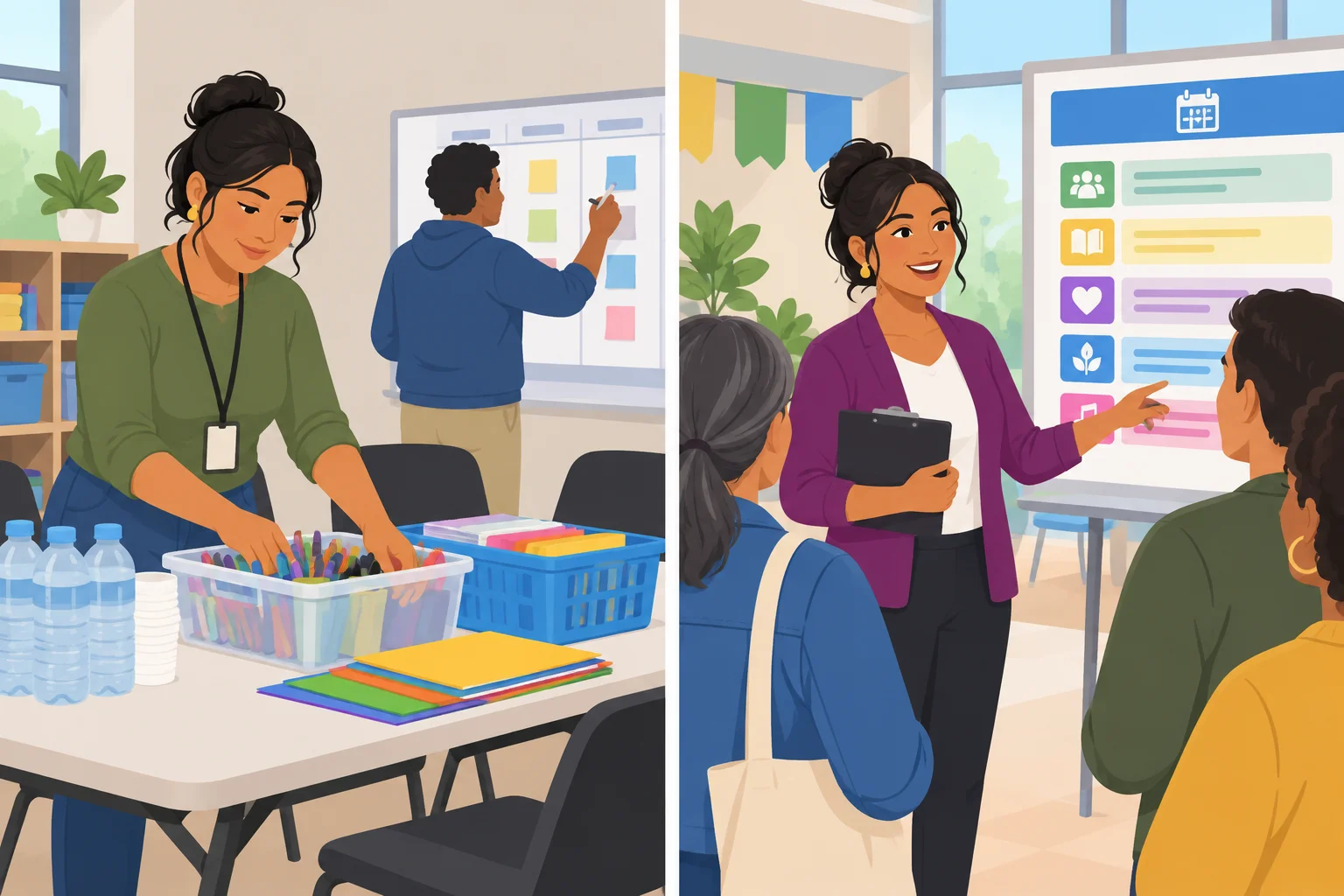
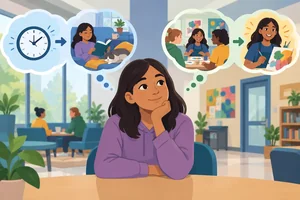
The left side shows Maya's current role. The right side shows the imagined situation in the if-clause; the result is what she would do as organizer.
Use were in the recommended imagined-role pattern, even with I, he, and she. The result clause keeps the second conditional form you already know: would + base form.
Compare the recommended pattern with an informal alternative you may hear.
| Form | Example | Meaning |
|---|---|---|
| Recommended | If I were the organizer, I would add more local activities. | Imagined role |
| Recommended | If he were the organizer, he would improve the center. | Imagined role |
| Recommended | If she were the organizer, she would create an opportunity. | Imagined role |
| Informal speech | If she was the organizer, she would create an opportunity. | Also imagined; more informal |
Example
Maya: “If I were the organizer, I'd improve local activities.”
Leo: “If she was the organizer, she'd have many ideas.”
Leo's was is an informal alternative. It does not automatically mean that Maya was organizer in the past. In your own imagined-role sentences in this tutorial, use were.
Complete the one word that fits every blank.
If I ___ the organizer, I would improve local activities.
If he ___ the organizer, he would add a club.
If she ___ the organizer, she would create an opportunity for volunteers.
True or false? In informal speech, “If she was the organizer, she'd add more local activities” can still describe an imagined situation now or in the future.
Step 4 of 9
Compare would and could in imagined results, then choose the modal that matches an imagined choice or an available possibility.
Imagine that the community center had a spare room. This is not the current situation.
Use would + base form for an imagined choice or result:
If we had a spare room, we would start a club.
Use could + base form for a possible result or ability:
If we had a spare room, we could start a club.
Both sentences use the same imagined situation. Would presents starting a club as the choice or result; could presents it as an available possibility.
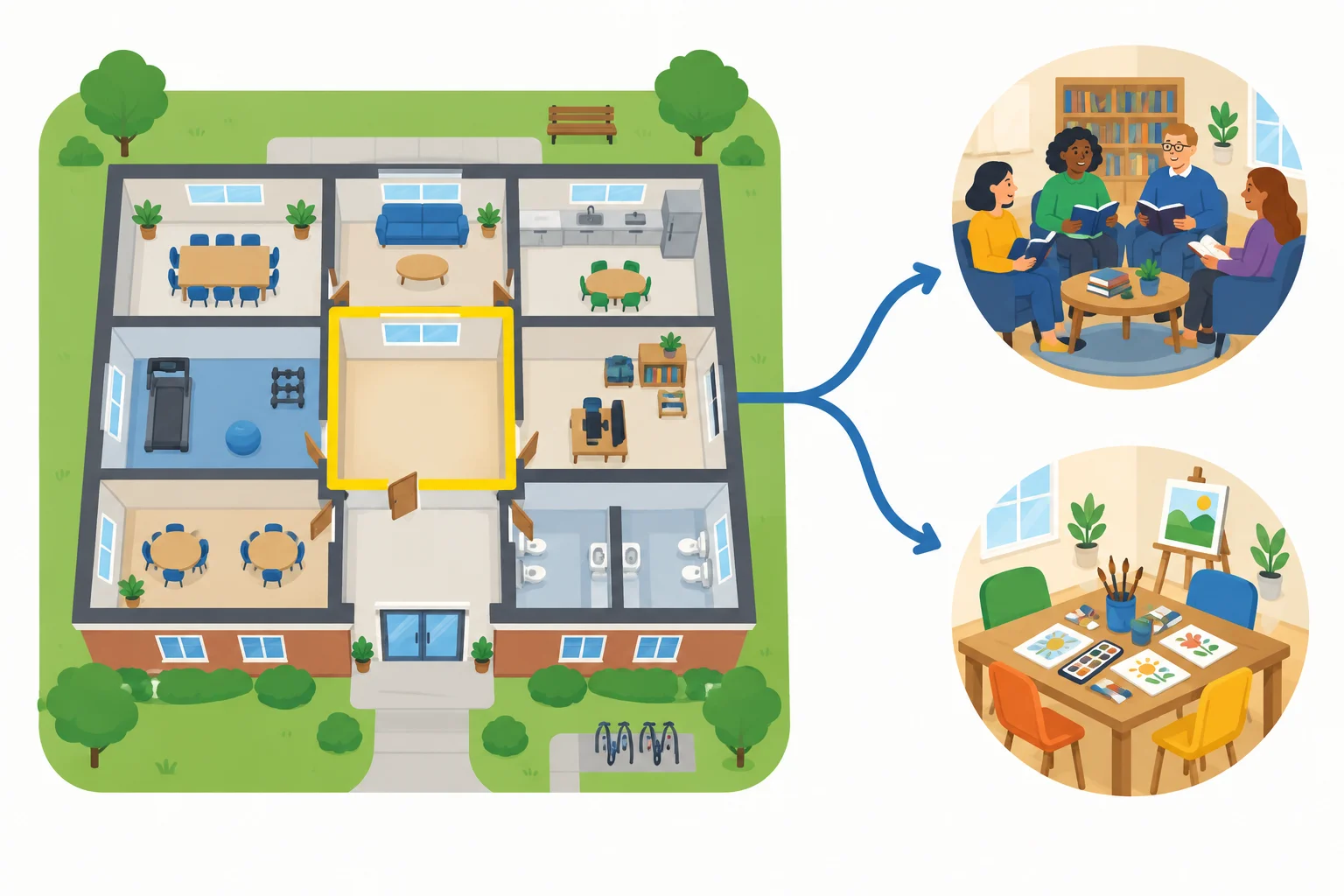
An imagined spare room can lead to a chosen result or to several possible activities.
Keep the if-clause unchanged. Choose the result modal for the meaning you want.
Both result clauses use a base form after the modal.
| Imagined situation | Result clause | Focus |
|---|---|---|
| If we had a spare room, | we would start a club. | A chosen imagined result |
| If we had a spare room, | we could start a club. | A possible result |
| If Maya had more free time, | she would improve local activities. | Her imagined choice |
| If Maya had more free time, | she could improve local activities. | Her possible ability or option |
Example
Maya says, “If I had an opportunity to help, I'd improve the local activities.”
Here, I'd means I would. Maya presents improving the activities as her imagined choice.
Leo says, “If we had a spare room, we could run a club.” He presents running a club as one available option.
Tip
After would and could, use the base form: start, improve, run. Do not add to or -s.
Match each imagined statement to its intended meaning.
Match each sentence to its meaning.
Tap an item and then its matching pair.
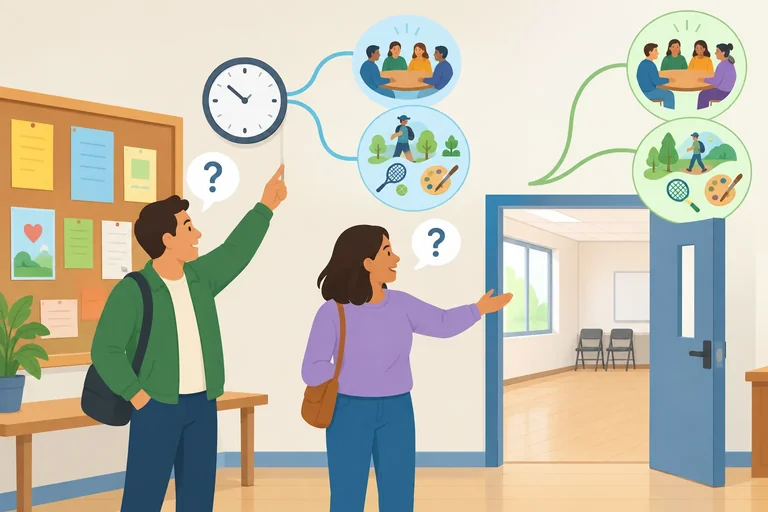
The center does not have a spare room now. The manager says that extra local activities would be possible with one.
If the center had a spare room, it ___ offer more local activities.
Step 5 of 9
Ask questions about imagined choices with would and could, then respond directly with a reason.
In imagined-choice questions, put would or could before the subject.
The if-clause keeps statement word order: if you had..., not if had you....
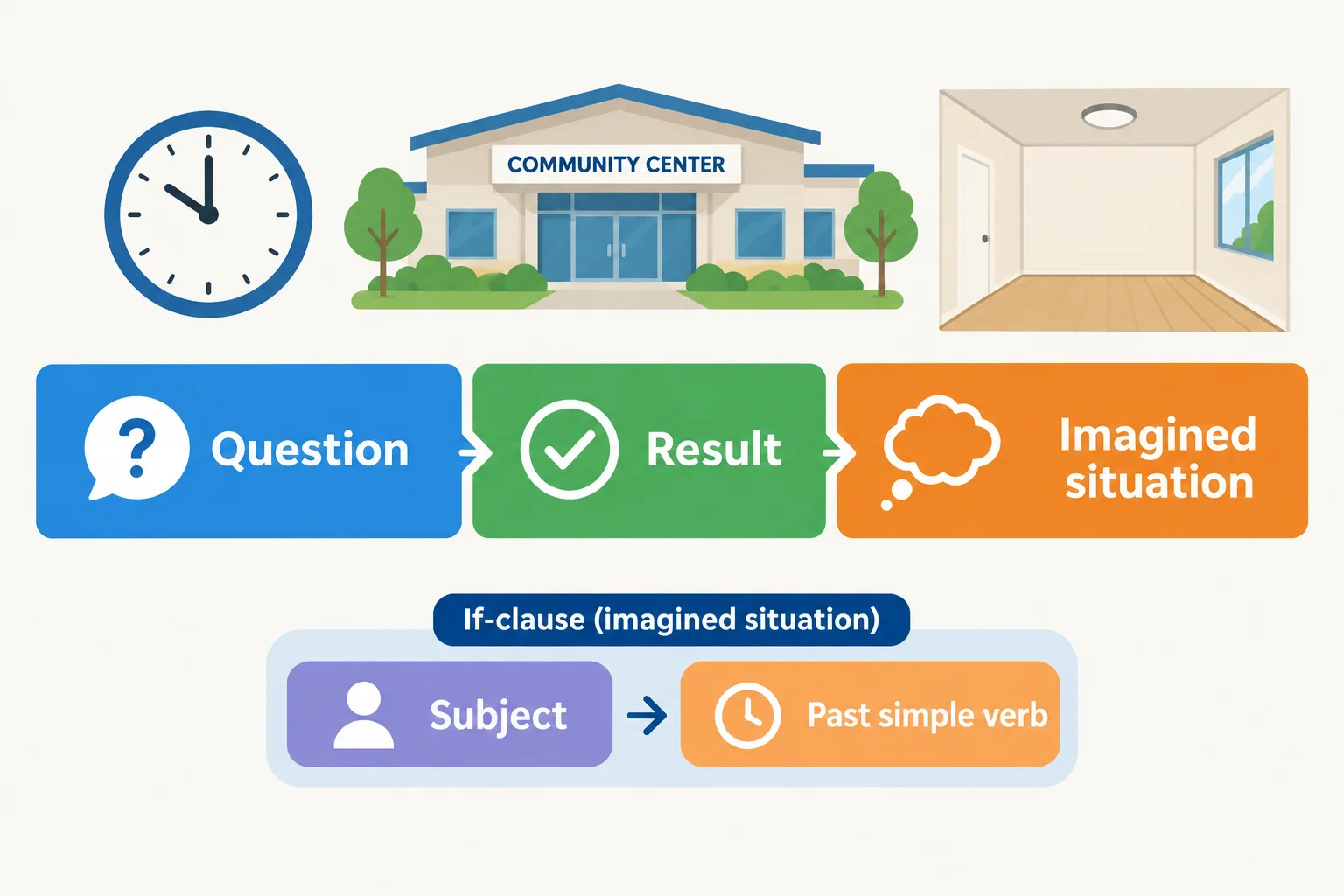
Put would or could before the subject in the question. Keep normal statement order inside the if-clause.
Use would when you ask about an imagined choice or result. Use could when you ask about a possible activity or ability.
After the question, answer directly. Add because and a short reason. In natural conversation, contractions can make an answer smoother: I'd means I would, and we'd means we would.
Example
Maya: What would you do if you had more free time?
Leo: I'd join a club because I want to meet people.
Maya: What could we do if we had a spare room?
Leo: We'd start more local activities because the center could offer more opportunities.
Tip
When you answer, make your action fit the imagined condition. More free time can lead to a personal choice. A spare room can lead to an activity for the community center.
Build a question about your imagined free time.
Your sentence
Available words
Build a question about an imagined spare room at the community center.
Your sentence
Available words
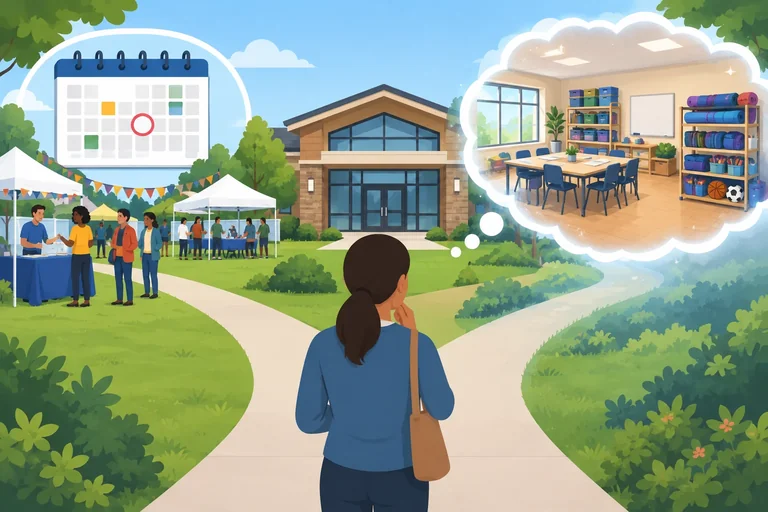
Imagine an opportunity to improve the local community center.
First, say these three sentences aloud. Then write them, with each sentence on a new line:
Make every situation imagined, not a current plan.
Write at least 120 characters (0/120).
Step 6 of 9
Choose the first or second conditional according to whether a speaker presents a future event as a realistic possibility or an imagined alternative.
A speaker can describe a future event as a realistic possibility or as an imagined alternative.
The event is similar, but the speaker’s viewpoint is different. The second conditional does not mean “impossible,” and it does not show a fixed chance.
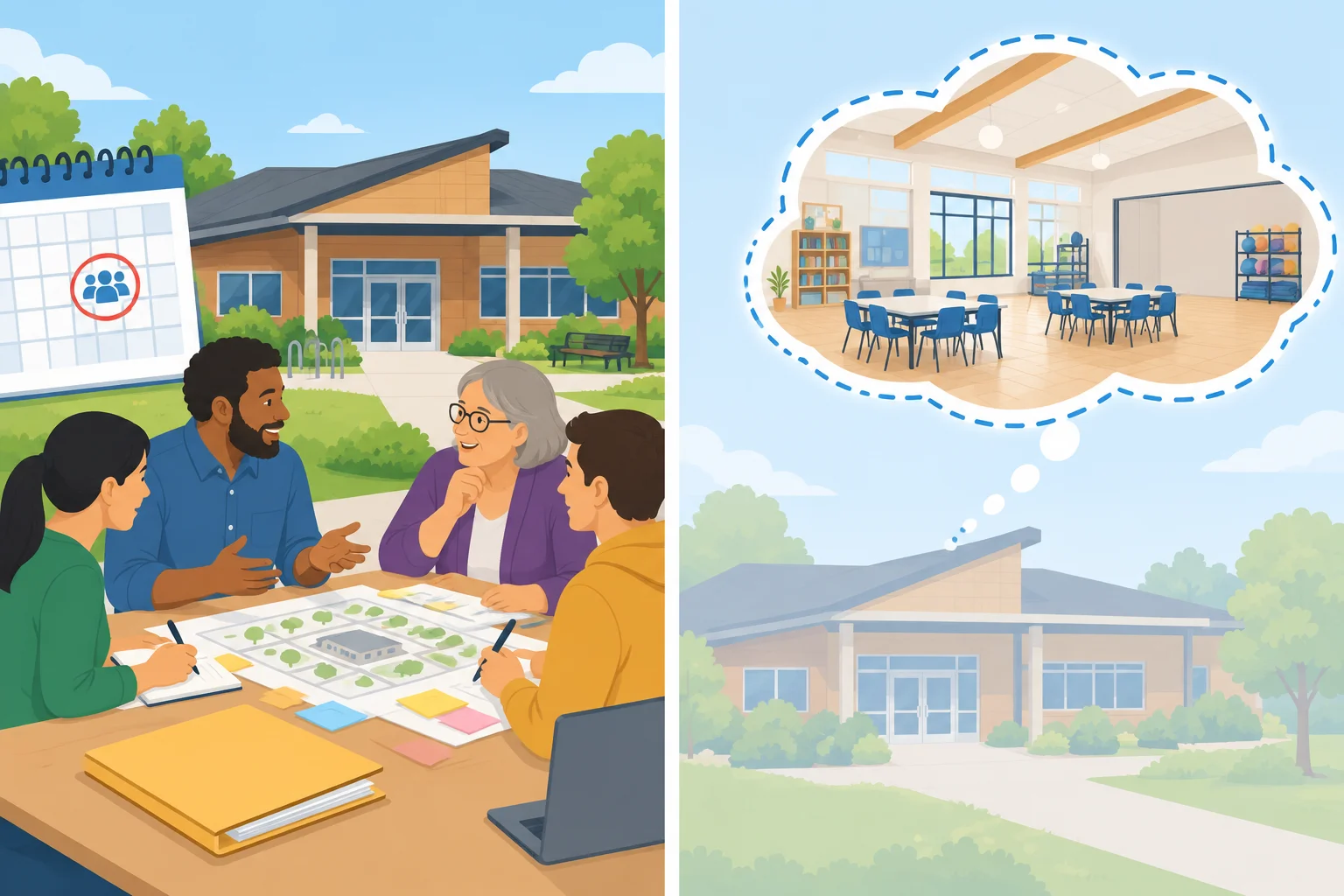
A speaker can present a similar event as a realistic plan or as an imagined alternative.
Compare the forms. Look especially at the verb after if and the result clause.
| Speaker’s view | If-clause | Result clause |
|---|---|---|
| Realistic future possibility | If the center receives funding | it will improve local activities. |
| Imagined alternative | If the center received funding | it would improve local activities. |
| Realistic future possibility | If Maya has more free time next month | she will join a club. |
| Imagined alternative | If Maya had more free time | she would join a club. |
Example
Choose the form from the meaning, not from the topic. A spare room can be a realistic future possibility in one conversation and an imagined alternative in another.
Realistic plan: The center may get a room after Saturday’s event. If volunteers find a spare room, we will start a club.
Imagined alternative: The center has no spare room now. If we had a spare room, we would start a club.
Tip
Do not try to give each conditional a percentage. Ask one question instead: Is the speaker presenting this as a realistic future possibility, or imagining a different situation?
The center expects to hear about a grant next week. Maya sees this as a realistic future possibility. Choose her sentence.
Match each context to the conditional sentence that fits the speaker’s viewpoint.
Tap an item and then its matching pair.
Step 7 of 9
Read imagined choices at a local community center, match each condition to its result, and select the spoken continuation that keeps the intended modal meaning and negative or positive form.
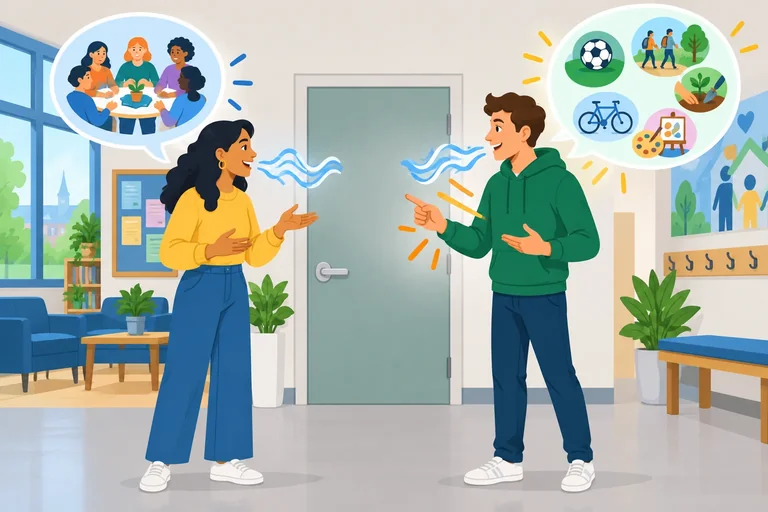
Maya and Leo are talking about their local community center.
Maya: “If I had more free time, I’d join a club at the community center.”
Leo: “If the center had a spare room, we could offer more local activities.”
Maya: “If I didn’t live nearby, I wouldn’t come here as often.”
They are not describing past events. They are imagining different situations now or in the future. As you read, connect each person’s imagined situation with the choice or possibility that follows.
The speakers imagine changes to free time, location, and space. Then they describe a result.
Match each imagined condition from the exchange to its result.
Tap an item and then its matching pair.
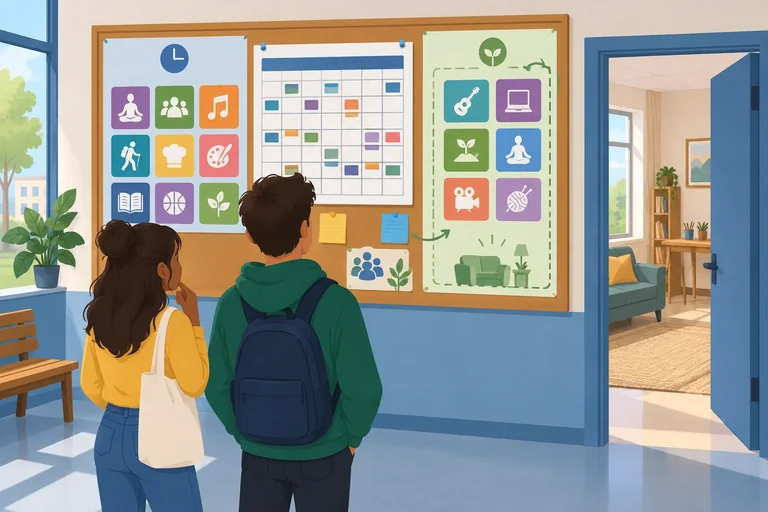
Before you choose an audio continuation, listen for three details:
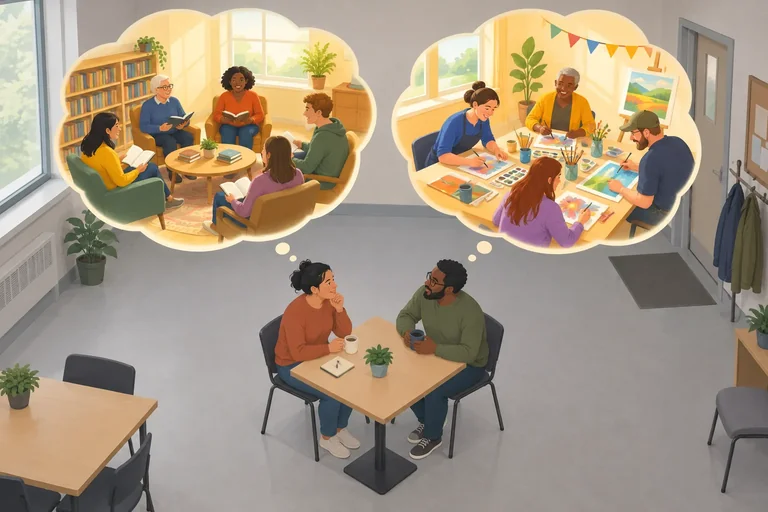
Use the activities in the picture to support the situation, but let the audio decide the answer.
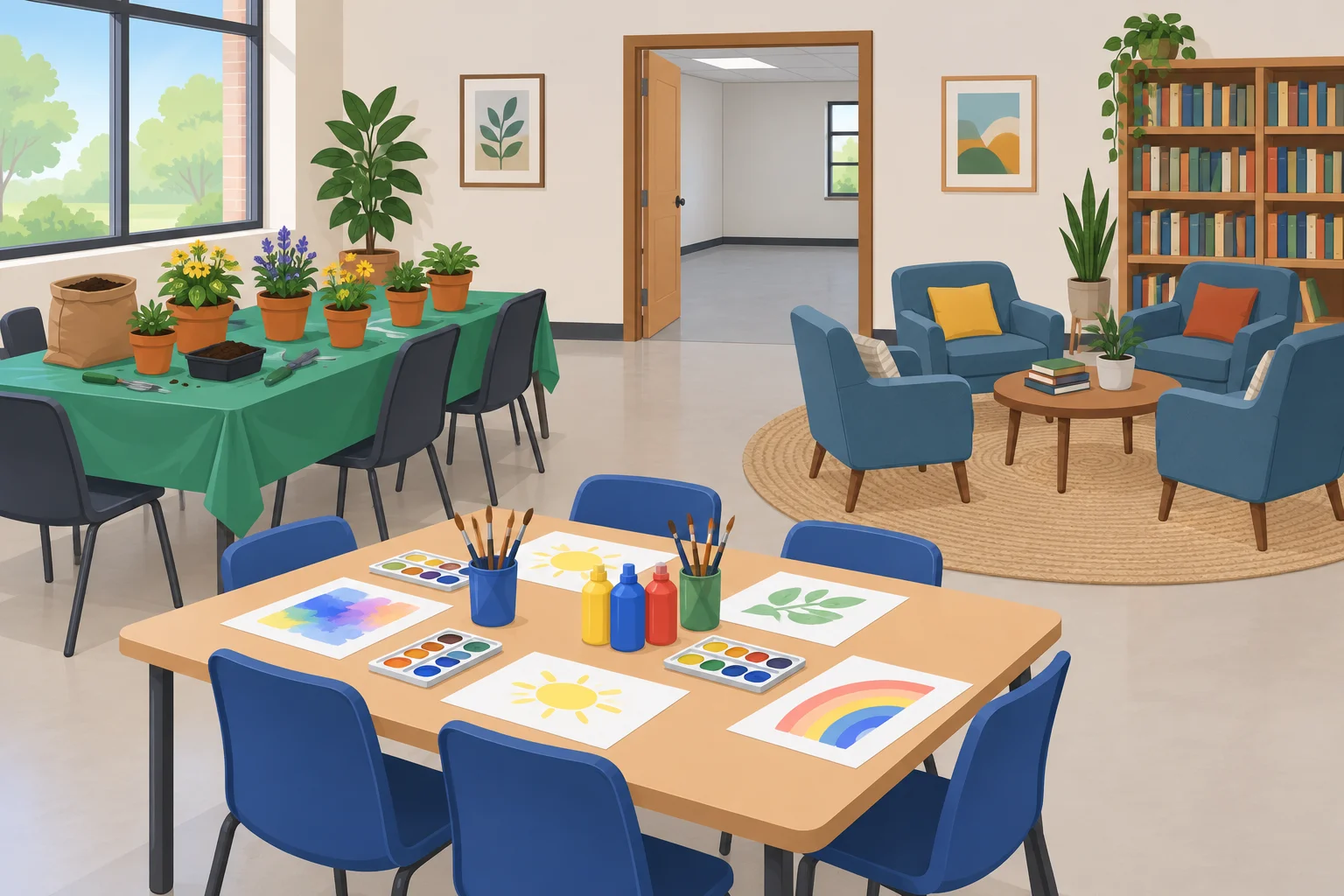
These are all possible activities. Listen for the exact imagined choice; no activity is highlighted.
Leo is imagining that the community center has a spare room. He presents starting a gardening club as a possible result, not as a definite imagined choice. His sentence is positive.
Listen to Audio A, Audio B, and Audio C. Do not choose yet.
Audio A
If the center had a spare room, we would start a gardening club.
Audio B
If the center had a spare room, we could start a gardening club.
Audio C
If the center did not have a spare room, we could not start a gardening club.
Which audio preserves the intended condition, modal meaning, and positive choice?
Step 8 of 9
Hear, write, and say common would contractions clearly in imagined-choice answers.
In imagined-choice answers, contractions can make speech smoother. In this tutorial:
The l in would and wouldn’t is silent. Say the contraction smoothly, then make the chosen action and your reason easy to hear.
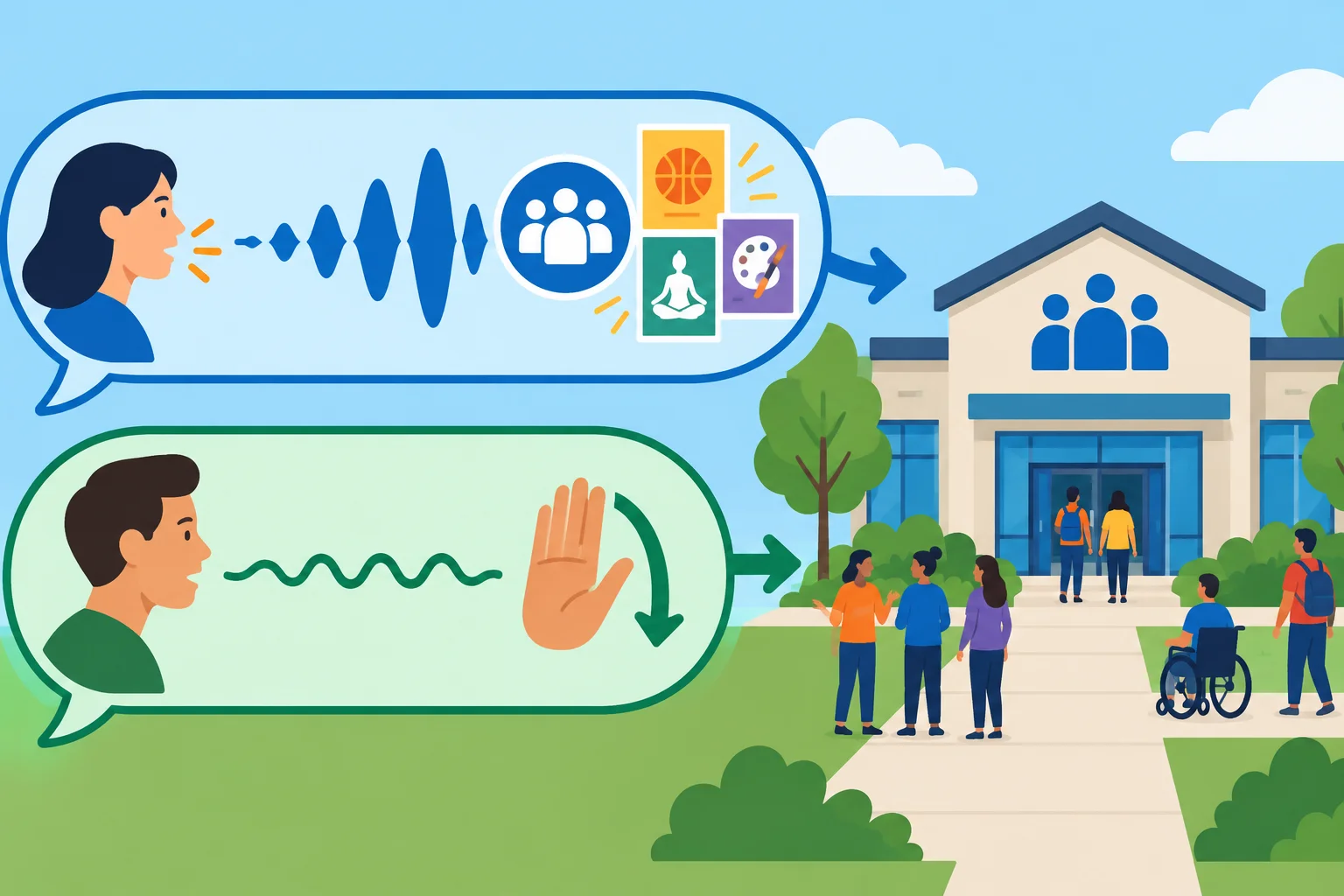
Keep the contraction smooth. Give extra stress to the action you choose and the reason you give.
Listen, then read the two imagined-choice answers.
I'd join a club if I had more free time. We'd improve local activities if we had a spare room.
I'd join a club if I had more free time. We'd improve local activities if we had a spare room.
Listen and choose an option.
Which written sentence matches the audio?
We'd start a gardening club if the center had a spare room.
Listen and write what you heard.
Listen and type the complete sentence.
Now compare your dictation with this model:
I wouldn’t join a club if I didn’t have any free time.
Check two things: wouldn’t means would not, so the result is negative; didn’t have makes the imagined condition negative. Then say these two brief answers aloud:
Use I’d in your first answer and we’d in your second answer. Add a short reason with because. Stress your action and your main reason.
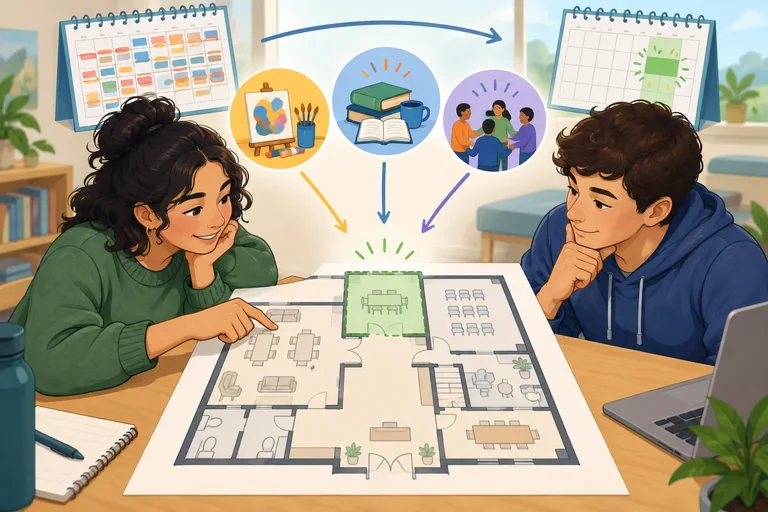
After speaking, write a short self-check. Report that you said two answers aloud, whether you used I’d and we’d, whether you checked that wouldn’t kept the dictation negative, and whether your action and reason were clear.
Step 9 of 9
Bring together imagined conditions, choices, possible benefits, reasons, and follow-up questions in a short community-center discussion.
Maya currently has little free time, and the local community center currently has no spare room. For this final task, imagine that one situation is different.
Your response should connect four ideas: an imagined situation, your chosen action, a possible benefit, and your reason. This is an imagined choice, not a current plan.
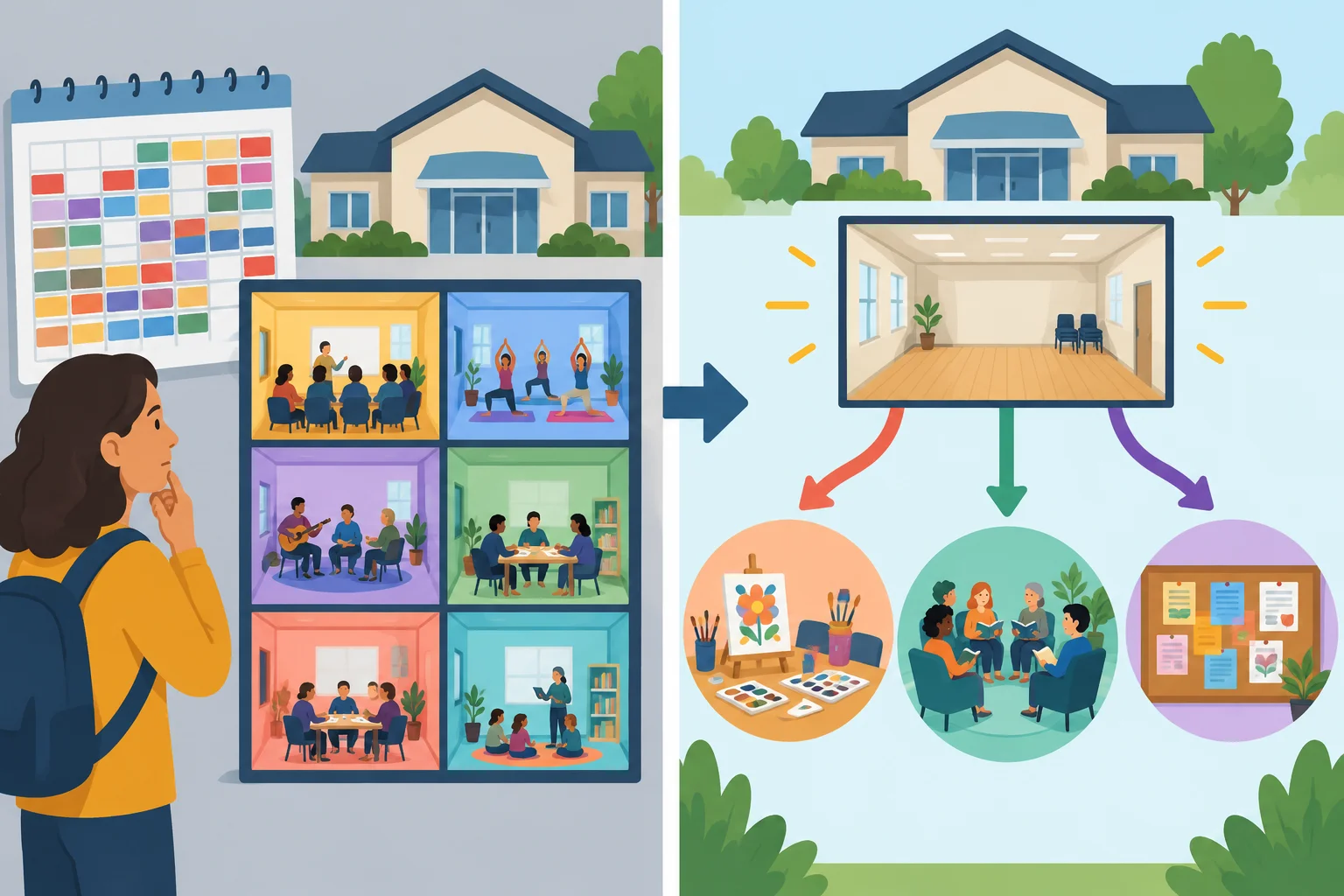
One changed condition can lead to a choice and a possible way to improve local activities.
Use the model as a shape for your own response. Notice that the imagined condition, choice, possible benefit, and reason all fit the same opportunity.
Example
If I had more free time, I'd lead a weekend reading group. We could give people an opportunity to meet and share ideas, and it could improve local activities. I'd choose this because reading helps people relax. What could you organize?
Use this checklist before you speak and write. Use it again when you compare your work with the model at the end.
| Check | What to look for |
|---|---|
| Meaning | The situation is imagined, not a current plan. |
| Condition | The if-clause uses a past form for the imagined situation. |
| Choice and possibility | Use would or wouldn't for a choice; use could for a possible result or ability. |
| Question | Add a relevant follow-up question. Keep subject + verb order inside an if-clause. |
| Clarity | Say I'd, we'd, or wouldn't clearly. Stress the action and your reason. |
The community center currently has no spare room. Imagine that it had one available next month. The center wants one new activity that could give local people an opportunity to participate and could improve local activities.
Choose an activity that makes sense for this imagined spare room.
Listen to the related question.
What would you do if the community center had a spare room, and how could it improve local activities?
First, answer the audio question aloud for about 20–30 seconds. Then write 35–55 words. Count your words yourself before you submit.
Include an imagined condition, a choice with would or wouldn't, a possibility with could, and a reason with because. End with one relevant follow-up question.
Compare your response with this model. Your activity and reason can be different, but the condition, choice, possible benefit, reason, and question should stay connected.
Example
If the community center had a spare room, I'd start a weekend art club. We could give more people an opportunity to try creative local activities, and it could improve the center. I'd choose this because art is relaxing. What could you offer there?
Summary
Use the model to check structure, not to copy ideas. A different activity, benefit, or reason works when it fits your imagined opportunity.
Congratulations! You completed: Discuss Imagined Choices with If and Would
Thousands of online courses in video, ebooks and audiobooks.
To test your knowledge during online courses
Generated directly from your cell phone's photo gallery and sent to your email

Download our app via QR Code or the links below:.



Carry knowledge in your pocket.
Download the Cursa app.
There are hundreds of free courses available, with a free certificate of completion that is saved in your mobile image gallery.
Download the app to access the Course Completion Certificate for Free.


+ 10 million
students

Free and Valid
Certificate

60 thousand free
exercises

4.8/5 rating in
app stores

Free courses in
video and ebooks