 Joint Assessment
 Spine Assessment
 Physiotherapy
 Sports Injuries
 Exercise Recovery
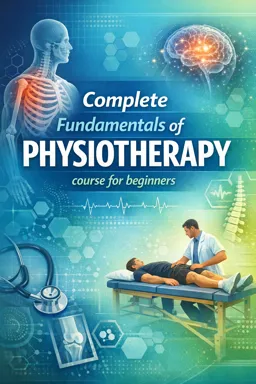
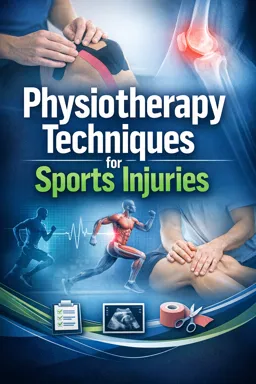
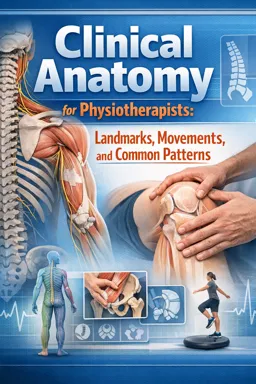
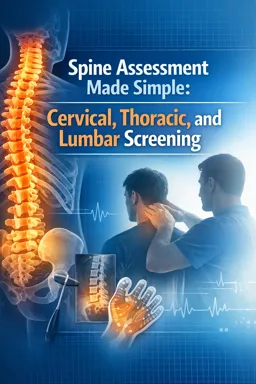
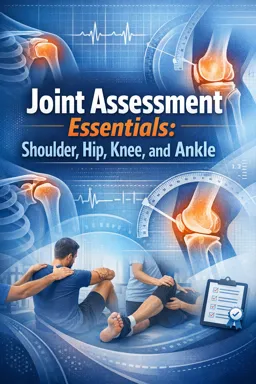
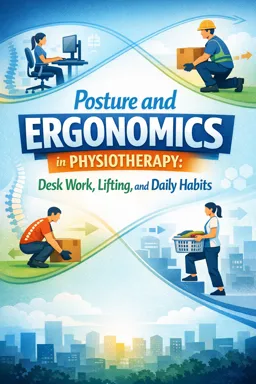




Physiotherapy helps people improve movement, manage pain, recover from injury, and support physical function through assessment, exercise, education, and rehabilitation techniques.

19

2

4


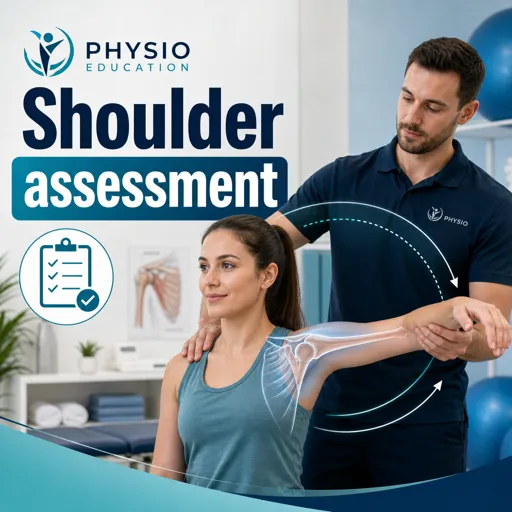
Build clinical confidence with a free shoulder assessment course: observation to special tests, improve reasoning and earn a certificate-ready skill set.
5

(4)

2h31m

24 exercises
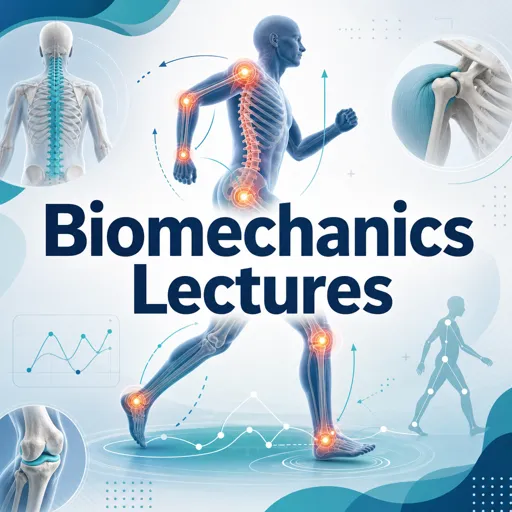
Build clinical movement-analysis skills with a free biomechanics course and quizzes—understand joints, gait, and forces to boost physiotherapy decisions.
5
(6)
9h19m
14 exercises
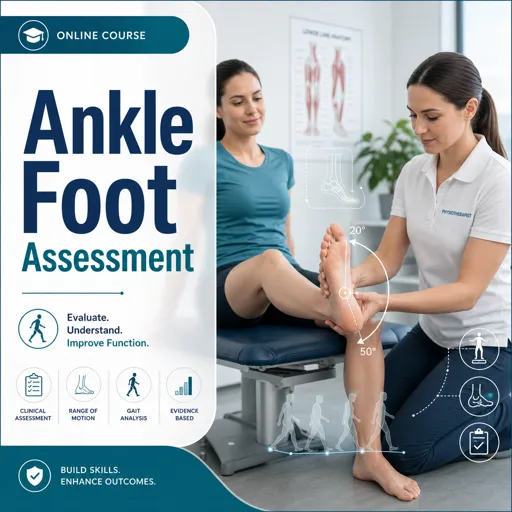
Improve ankle and foot assessment skills with a free online physiotherapy course—gait analysis, mobility tests, clinical rules, and key special tests.
4.8
(42)
44m
18 exercises
Free CourseOrthopaedics training
5
(1)
5h41m
13 exercises
Free CourseCervical Spine assessment
5
(1)
2h21m
11 exercises
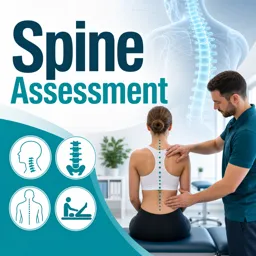
Free CourseSpine Assessment
4.7

(110)
2h04m
28 exercises
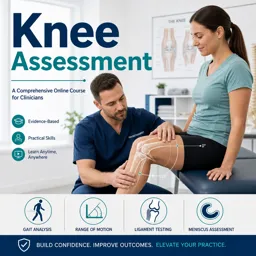
Free CourseKnee Assessment
4.7
(58)
1h00m
28 exercises
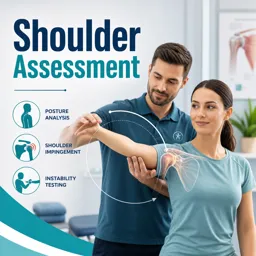
Free CourseShoulder Assessment
4.7
(60)
50m
19 exercises
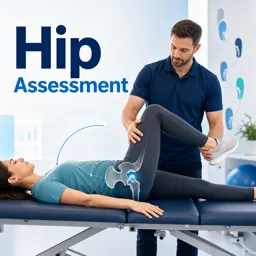
Free CourseHip Assessment
4.7
(40)
47m
22 exercises
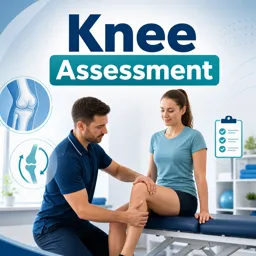
Free CourseKnee assessment
4.7
(3)
2h14m
20 exercises
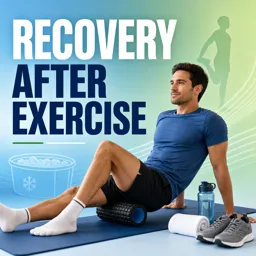
Free CourseRecovery after exercise
4.7
(3)
1h30m
8 exercises
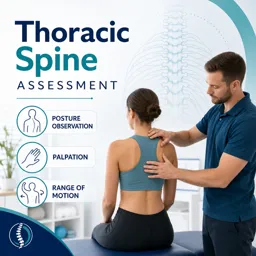
Free CourseThoracic Spine assessment
4.5
(2)
1h19m
8 exercises
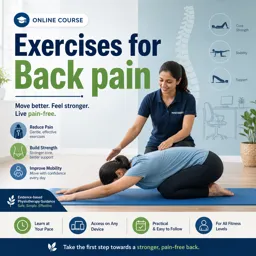
Free CourseExercises for Back pain
4
(1)
3h17m
11 exercises
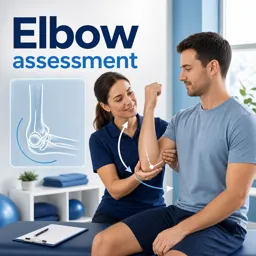
Free CourseElbow assessment
3
(1)
1h10m
13 exercises

Free CourseBack care classes
1
(1)
1h15m
6 exercises
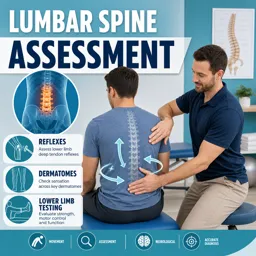
Free CourseLumbar Spine assessment
New
1h46m
9 exercises
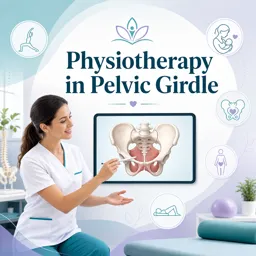
Free CoursePhysiotherapy in Pelvic Girdle
New
2h15m
18 exercises
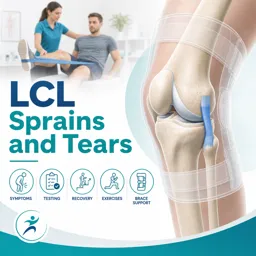
Free CourseLCL Sprains and Tears
New
57m
4 exercises
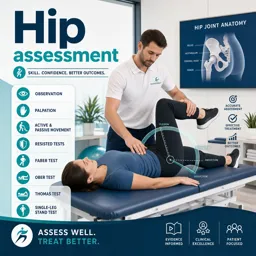
Free CourseHip assessment
New
2h24m
13 exercises
Exercises
Test your knowledge of pelvic floor assessment, exercise prescription, education, and outcome measures for stress urinary incontinence.
Start exercisesTest your knowledge of Vestibular Rehabilitation Therapy, including balance exercises, dizziness treatment, VOR, habituation, and recovery.
Start exercisesTest your knowledge of respiratory physiotherapy fundamentals, airway clearance, breathing exercises, PEP therapy, and postural drainage.
Start exercisesTest your knowledge of orthopedic physiotherapy, including pain management, strengthening, gait assessment, manual therapy, and rehabilitation.
Start exercisesTest your knowledge of pediatric physiotherapy principles, including early intervention, play-based therapy, family involvement, assessment and goals.
Start exercisesTest your knowledge of sports physiotherapy, injury prevention, rehabilitation techniques, return-to-sport planning, and athletic recovery.
Start exercises
Clinical Reasoning in Physiotherapy: Turning Assessment Findings into Confident Treatment Plans
Learn clinical reasoning in physiotherapy with practical frameworks to assess, diagnose, and build effective treatment plans.

Innovative Approaches in Physiotherapy: Advancing Patient Recovery
Explore innovative physiotherapy techniques like VR, robotics, telehealth, and personalized care that enhance patient recovery and improve rehabilitation outcomes.

Physiotherapy for Pain Management: Techniques and Outcomes
Discover how physiotherapy techniques help manage pain, improve mobility, and enhance quality of life for acute and chronic conditions through personalized treatment plans.

Rehabilitation Through Physiotherapy: Techniques and Success Stories
Explore physiotherapy rehabilitation techniques, benefits, and inspiring success stories that highlight the journey to restored mobility and independence after injury or illness.

Understanding Physiotherapy: Principles, Benefits, and Applications
Discover the principles, benefits, and applications of physiotherapy—a patient-centered healthcare approach that restores movement, reduces pain, and promotes well-being.

Innovative Physiotherapy Techniques for Accelerating Sports Injury Recovery
New physiotherapy techniques accelerate recovery using tools like BFR, dry needling, and biomechanical analysis to enhance healing and prevent reinjury.

Rehabilitating Common Sports Injuries: Physiotherapy Approaches and Best Practices
Physiotherapy ensures safe recovery from sports injuries with personalized care, pain relief, and sport-specific rehabilitation practices.

The Role of Physiotherapy in Managing Acute vs. Chronic Sports Injuries
Physiotherapy helps treat acute and chronic sports injuries with targeted care, prevention strategies, and safe return-to-activity planning.
Build foundational and applied knowledge through free online courses focused on musculoskeletal assessment, functional movement, rehabilitation, orthopaedics, biomechanics, injury management, and therapeutic exercise. These learning resources support students, healthcare learners, fitness professionals, caregivers, and anyone interested in understanding physical function. Study at your own pace, complete practical exercises, and receive free certification after meeting the course requirements.
Explore educational content covering patient observation, anatomical landmarks, range of motion, joint function, movement analysis, clinical reasoning, and common assessment procedures. The course collection addresses major regions of the body and helps learners become familiar with terminology used in rehabilitation and musculoskeletal care.
Learners can study back care, pelvic girdle rehabilitation, orthopaedic training, exercise recovery, and the management of common ligament injuries. Lessons feature exercises that reinforce theoretical learning and may include movement demonstrations, mobility activities, strengthening principles, recovery strategies, and approaches to back discomfort. Explore exercises for back pain, recovery after exercise, and LCL sprains and tears.
Continue studying through related collections on spine assessment, joint assessment, sports injuries, and exercise recovery. Together, these subjects provide a broader educational pathway encompassing anatomy, kinesiology, tissue healing, posture, mobility, injury prevention, and evidence-informed rehabilitation concepts.
To access these courses, users must install the Cursa app. Android users can install it through Google Play using Download for Android. iPhone users can install it through the App Store using Download for iOS / iPhone. The courses are free, include free certification, and offer flexible learning with lessons and exercises that can be completed according to each learner's schedule.
What is physiotherapy?
Physiotherapy helps people improve movement, manage pain, recover from injury, and support physical function through assessment, exercise, education, and rehabilitation techniques.
Can I learn physiotherapy online as a beginner?
Yes. Beginner courses can introduce core principles, clinical anatomy, movement patterns, basic assessments, posture, and common physiotherapy techniques.
What will I learn in a spine assessment course?
You can learn structured screening of the cervical, thoracic, and lumbar spine, including posture, movement, symptoms, and common clinical assessment approaches.
Are there online physiotherapy courses for sports injuries?
Yes. Courses may cover sports injury physiotherapy techniques, exercise recovery, knee ligament injuries such as LCL sprains, and return-to-activity principles.
How do physiotherapists assess the shoulder, hip, and knee?
They use patient history, observation, movement testing, functional tasks, palpation, and appropriate special tests to identify impairments and guide rehabilitation.
What is the role of biomechanics in physiotherapy?
Biomechanics explains how forces and movement affect the body. It helps physiotherapists analyse posture, gait, exercise technique, joint loading, and injury risk.
Can physiotherapy courses help with back pain and posture?
Yes. Courses can cover back-care education, exercises for back pain, ergonomic desk setup, lifting habits, posture assessment, and spine-focused rehabilitation.

Complete any course and issue your certificate via the app — at no cost.

Download the app! to have access to more than 4,000 Online Courses + Certificate, all free!
Download the app! 100% free courses.


Carry knowledge in your pocket.
Download the Cursa app.
There are hundreds of free courses available, with a free certificate of completion that is saved in your mobile image gallery.
Download the app to access the Course Completion Certificate for Free.


+ 10 million
students

Free and Valid
Certificate

60 thousand free
exercises

4.8/5 rating in
app stores

Free courses in
video and ebooks
What are people saying about free online courses of Physiotherapy
JERUSHAH JANE LYDIA A.P
Excellent teaching.. Great effort.. Really insightful..
CoursePhysiotherapy in Pelvic Girdle
MEZROU HICHAM
best course . thank youbso much mr.adrian
CourseSpine Assessment
Aazad siddiki
best teachers and comfortable langauge i like it
CourseOrthopaedics training
SUSHANTH Sushanth
very nice very usefull thank you
CourseSpine Assessment
solomon masika
The course is very very helpful
CourseHip Assessment
JERUSHAH JANE LYDIA A.P
Excellent teaching.. Great effort.. Really insightful..
CoursePhysiotherapy in Pelvic Girdle
SamahOmerAhmedAlabbas
it's very good course with very good content
CoursePhysiotherapy in Pelvic Girdle
Nelbert Orias
it's a big help for me as massage therapist
CourseSpine Assessment
Tahmid Apurba
Alhamdulillah.I am enjoying a lot.
CourseSpine Assessment
Dr. K. Aakifa Anjum
Really great 1 topic completing only below 5 mins
CourseHip Assessment