 Cardiovascular Physiology
 Respiratory Physiology
 Neuro Physiology
 Endocrine Physiology
 Gastrointestinal Physiology
 Renal Physiology



Physiology is the study of how living organisms and their body systems function.

9

2


Free CourseNeuro Physiology
5

(2)

6h38m

19 exercises
Free CourseCardiovascular Physiology
5
(2)
9h02m
16 exercises
Free CourseAnatomy and Physiology
4.8

(4)
15h19m
24 exercises
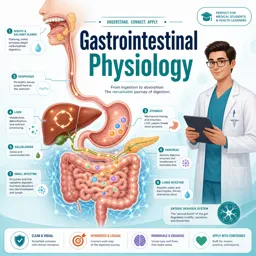
Free CourseGastrointestinal Physiology
4
(1)
13h16m
18 exercises
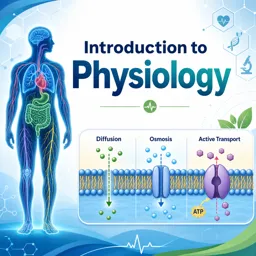
Free CourseIntroduction to Physiology
3
(1)
52m
6 exercises
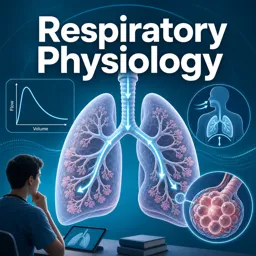
Free CourseRespiratory Physiology
New
9h24m
19 exercises
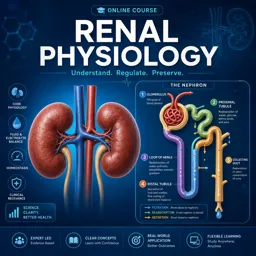
Free CourseRenal Physiology
New
5h04m
9 exercises
Free CourseEndocrine Physiology
New
8h46m
25 exercises
Exercises
Test your knowledge of body temperature regulation, heat exchange, fever, sweating, shivering, and thermal acclimatization.
Start exercisesTest your reproductive physiology knowledge with questions on hormones, fertilization, menstruation, pregnancy, and male and female anatomy.
Start exercisesTest your blood physiology knowledge: red blood cells, plasma, immunity, hemoglobin, clotting, blood groups, and erythropoiesis.
Start exercisesTest your cell physiology knowledge with questions on organelles, membranes, ATP production, protein synthesis, and cellular respiration.
Start exercisesTest your muscle physiology knowledge, from sarcomeres and ATP to muscle fibers, calcium, contractions, and energy systems.
Start exercisesTest your respiratory physiology knowledge with questions on breathing, alveoli, surfactant, spirometry, lung volumes, and emphysema.
Start exercises
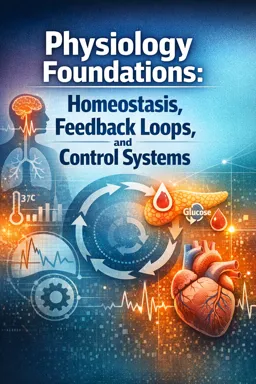
Homeostasis Explained: The Feedback Loops That Keep the Human Body Stable
Understand homeostasis through clear physiology examples and learn how feedback loops keep temperature, glucose, pressure, and pH stable.

From Cells to Systems: How Physiology Connects Anatomy, Signals, and Survival
Understand physiology through systems thinking—link cells, signals, and organ systems to build deeper insight into how the body functions in real life.

Neuro Physiology: The Foundations of Neural Communication
Explore neurophysiology, the study of neural communication, and its role in understanding brain function, neural networks, and neurological health.

Neurophysiology in Everyday Life: How Your Nervous System Shapes Perception and Behavior
Discover how neurophysiology shapes perception, memory, emotion, and behavior, revealing the essential role of the nervous system in everyday life.

Understanding Neuro Physiology: Exploring the Nervous System’s Functions
Explore neuro physiology, understanding the nervous system’s structure, functions, communication, and its vital role in health and medical science.

Renal Physiology Demystified: A Closer Look at How Kidneys Filter and Balance Your Body
Discover the fundamentals of renal physiology. Learn how your kidneys filter blood, balance electrolytes, and regulate blood pressure to keep you healthy.

The Fundamentals of Renal Physiology: Exploring Kidney Function and Regulation
Explore the fundamentals of renal physiology, from kidney anatomy to blood pressure regulation and acid-base balance, essential for maintaining overall health.

The Role of the Kidneys: Renal Physiology Beyond Filtration
Discover how the kidneys regulate fluid balance, blood pressure, hormones, and pH. Renal physiology reveals their vital role beyond simple filtration.
Explore free online courses designed to develop knowledge of how cells, tissues, organs, and body systems function and interact. These educational resources cover homeostasis, membrane transport, neural signaling, muscle contraction, circulation, ventilation, digestion, metabolism, hormonal regulation, and fluid balance. Suitable for students in medicine, nursing, biology, pharmacy, physical education, and allied health fields, the courses support foundational learning and academic review. All courses are free, feature exercises to reinforce essential concepts, and include free certification after the required learning activities are completed.
These free physiology courses can help learners interpret physiological processes from the cellular level to whole-system integration. Structured lessons and exercises encourage active recall, conceptual analysis, and application of scientific principles. Use the collection to prepare for examinations, supplement university classes, revisit biomedical terminology, or build prerequisite knowledge for anatomy, pathophysiology, neuroscience, and health sciences. Topics emphasize mechanisms, cause-and-effect relationships, regulatory pathways, and communication between organ systems.
To access the courses, users must install the Cursa app on a mobile device. Android users can install it through Google Play by selecting Download for Android. Apple users can install it from the App Store by selecting Download for iOS / iPhone. After installation, choose a course, follow the lessons, complete the exercises, and continue learning at your own pace. This collection makes high-quality physiology education more accessible through free study materials and free certification.
What is physiology?
Physiology is the study of how living organisms and their body systems function.
What topics are covered in an online human physiology course?
Courses commonly cover homeostasis, cells, nerves, muscles, circulation, respiration, digestion, kidneys, and hormones.
What is homeostasis in physiology?
Homeostasis is the maintenance of stable internal conditions, such as body temperature, blood pressure, and blood glucose.
How do feedback loops regulate the body?
Negative feedback reverses a change to restore balance, while positive feedback amplifies a process until an endpoint is reached.
What is cardiovascular physiology?
Cardiovascular physiology examines how the heart, blood vessels, and blood work together to deliver oxygen and nutrients.
What does respiratory physiology study?
Respiratory physiology studies breathing, gas exchange, oxygen transport, and carbon dioxide removal.
What is the role of cell membranes in physiology?
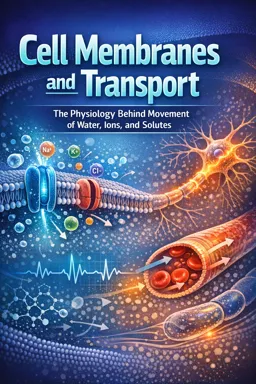
Cell membranes control the movement of water, ions, and solutes, helping cells maintain proper internal conditions.

Complete any course and issue your certificate via the app — at no cost.

Download the app! to have access to more than 4,000 Online Courses + Certificate, all free!
Download the app! 100% free courses.


Carry knowledge in your pocket.
Download the Cursa app.
There are hundreds of free courses available, with a free certificate of completion that is saved in your mobile image gallery.
Download the app to access the Course Completion Certificate for Free.


+ 10 million
students

Free and Valid
Certificate

60 thousand free
exercises

4.8/5 rating in
app stores

Free courses in
video and ebooks
What are people saying about free online courses of Physiology
Brandon Zane Harmon
Touching introduction variance of complexity
CourseAnatomy and Physiology