Step 1 of 8
Understand What an Earned Link Represents
Learn what a backlink is, how readers can follow it from a publisher to a resource, and why outreach is not the same as an earned editorial link.

Learning path · Level 3 · Tutorial 5
Develop a small, ethical link-earning plan around a useful resource, relevant publishers, and personalized outreach. Explain why editorial value and relationships matter more than purchased links or ranking promises.
 Understand What an Earned Link Represents
Learn what a backlink is, how readers can follow it from a publisher to a resource, and why outreach is not the same as an earned editorial link. 1 min
 Set Ethical Boundaries
Use editorial independence and reader value to identify link-building tactics that should be rejected. 2 min
 Judge Relevance, Credibility, and Fit
Evaluate fictional publisher evidence for relevance, credibility, editorial fit, and an evidence-based decision. 2 min
 Give a Publisher a Reason to Reference Your Resource
Design a useful resource concept that gives a relevant publisher a legitimate editorial reason to reference it. 2 min
 Build a Focused Three-Prospect List
Create a compact, evidence-based prospect list for the ClearDesk Small-Space Desk Planning Checklist. 2 min
 Draft a Personalized, Low-Pressure Message
Create a concise, personalized outreach message that offers a useful resource while preserving publisher choice. 2 min
 Follow Up Respectfully and Record Real Outcomes
Choose a proportionate follow-up action and accurately distinguish outreach activity from a verified earned link. 2 min
 Finish Your Ethical Link-Earning Plan
Combine your resource, three prospect records, personalized outreach, and verification rule into a small plan that preserves editorial independence. 3 min
Step 1 of 8
Learn what a backlink is, how readers can follow it from a publisher to a resource, and why outreach is not the same as an earned editorial link.
A backlink is a link from another website to a page or resource on your website. It can give readers a path to discover something useful.
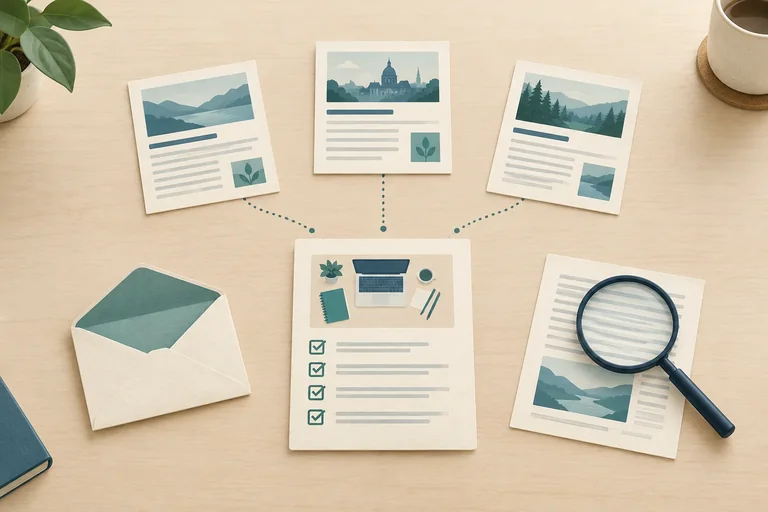
For example, if Small Space Living publishes an article that links to ClearDesk’s Small-Space Desk Planning Checklist, that incoming link is a backlink for ClearDesk. The publication is the referring publisher, and the checklist is the destination resource.
A backlink can support discovery because a reader may follow it. Relevant editorial references can also contribute to a site’s broader credibility signals. But one backlink does not guarantee a higher ranking, more traffic, or any specific business result.
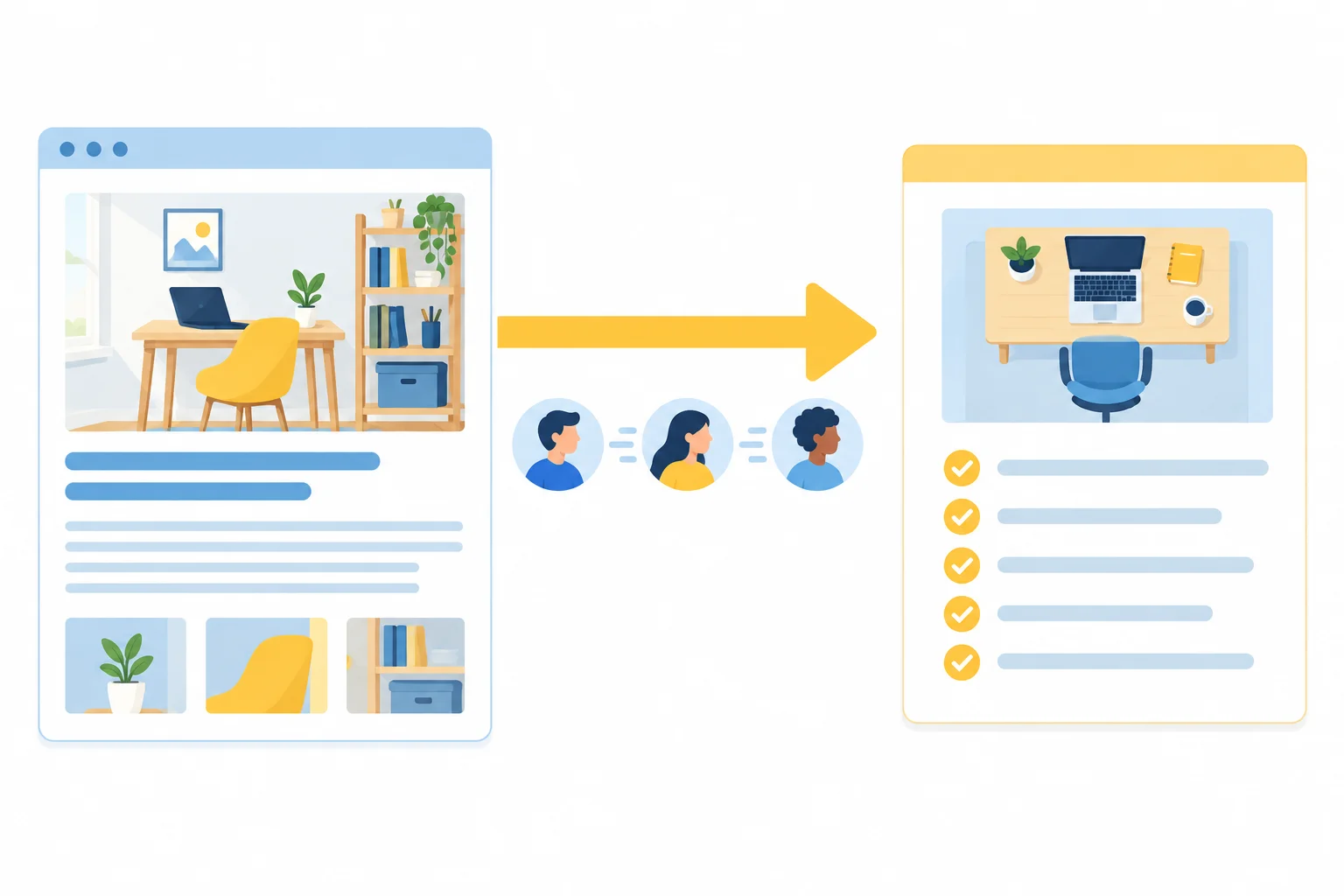
A backlink comes from the publisher’s page and points to the destination resource. Readers can use that path to discover the resource.
Link earning is about giving a publisher a legitimate reason to make an independent editorial reference. The publisher remains free to decline, describe the resource in its own words, or decide that it is not useful for its readers.
Outreach is simply contact that invites a publisher to consider a resource. It is not a placement, an obligation, or proof that a backlink exists.
A published editorial page that actually links to the resource is an earned link. Until that published reference exists, describe the activity accurately as outreach—not as an earned link.
The same action can have different outcomes. Keep the terms separate so you do not overstate results.
| Stage | What happened | Accurate description |
|---|---|---|
| ClearDesk contacts Small Space Living | The publisher is invited to review the checklist | Outreach attempt |
| Small Space Living publishes an article with a link to the checklist | A reader can follow an editorial reference to the resource | Earned link |
Tip
Use careful claims: a relevant backlink may help people discover a resource, but it cannot promise rankings. The publisher’s independent choice—and the usefulness of the reference to readers—matter more than the number of invitations sent.
Match each item or situation to its accurate label.
Tap an item and then its matching pair.
Step 2 of 8
Use editorial independence and reader value to identify link-building tactics that should be rejected.
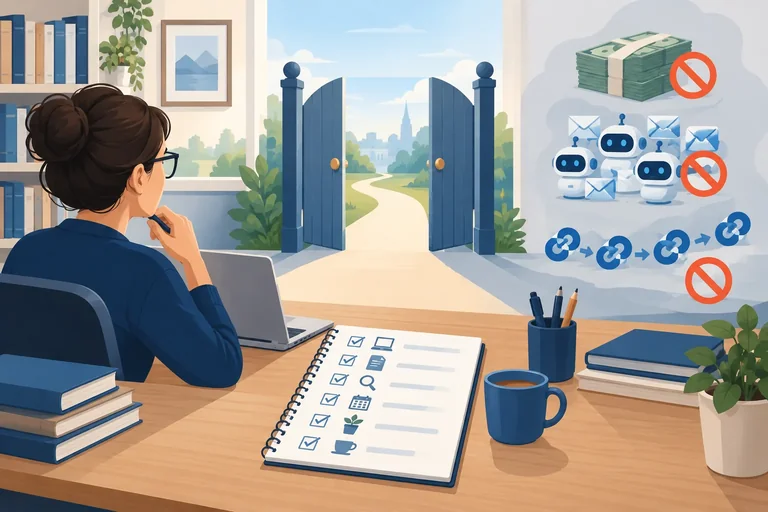
An ethical link-earning plan respects editorial independence. A publisher must be free to decline, edit, or reference ClearDesk’s Small-Space Desk Planning Checklist because it helps readers—not because ClearDesk promised payment, a gift, or a return link.
Outreach is an invitation to consider a resource. It is not a transaction that buys a backlink. The publisher controls whether a reference appears and how it is described.
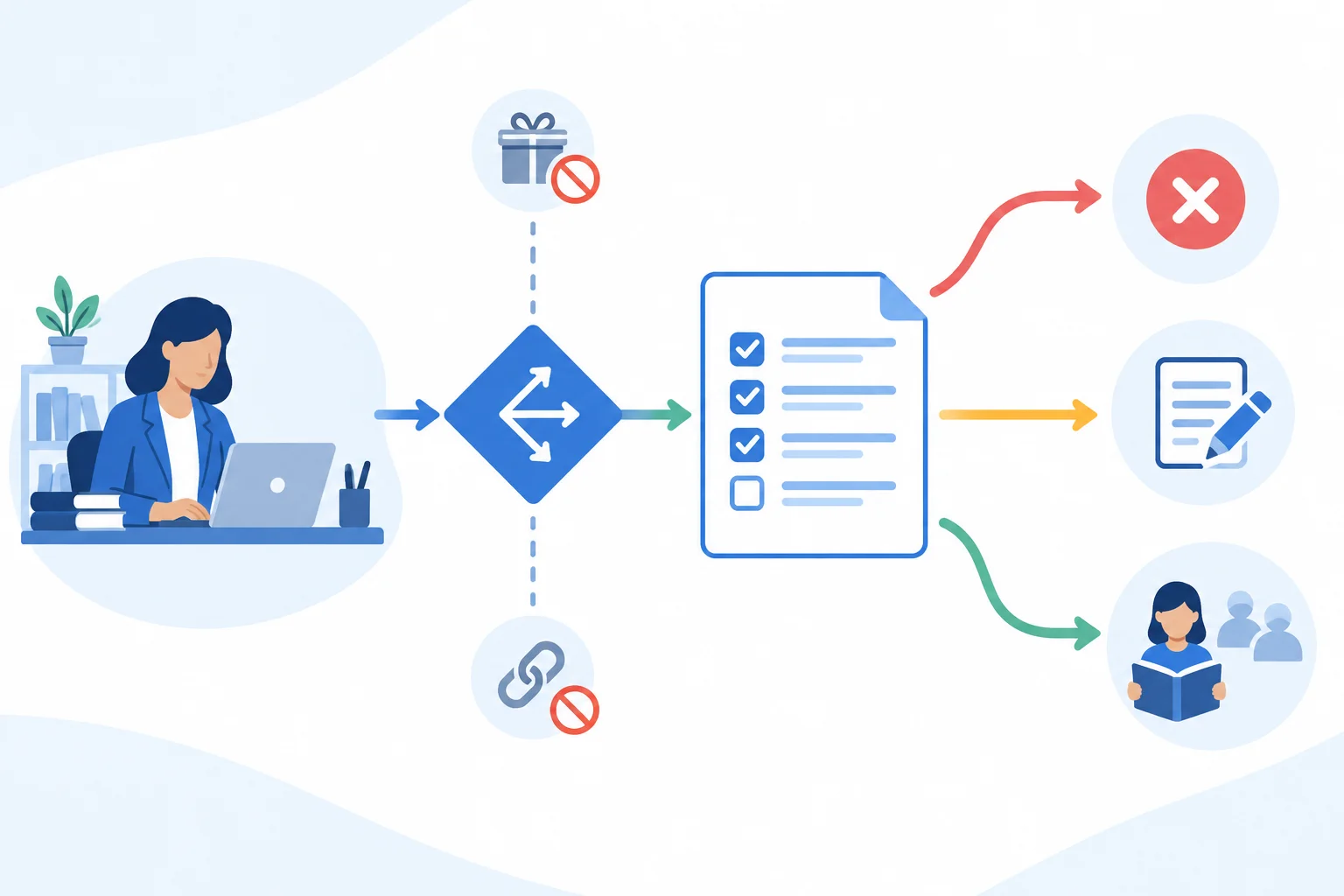
Editorial independence means the publisher—not the brand—chooses whether and how to make a reference.
Use two questions to screen a proposal:
A large number of links is not proof of quality. Tactics that pressure, automate, or purchase editorial-looking references put manipulation ahead of readers and can harm trust and search visibility.
Treat these as reasons to reject a link-building proposal, even when it uses friendly language such as “partnership” or “visibility support.”
| Proposed tactic | Why it fails the screen | Ethical response |
|---|---|---|
| Pay for a ranking backlink | Makes payment conditional on an editorial-looking link | Reject it |
| Send automated messages at scale | Ignores publisher fit and reader value | Use selective, relevant outreach instead |
| Trade links repeatedly | Makes reciprocal placement the goal | Do not require an exchange |
| Promise rankings or link volume | Claims an outcome no honest outreach can guarantee | Question and reject the promise |
Paid promotion is different from an earned link. A publisher may offer advertising or sponsored placement, but it should be appropriately disclosed and link-qualified rather than presented as an independent ranking endorsement.
Do not offer money, gifts, discounts, or a reciprocal backlink in exchange for a ranking link. Calling that arrangement a “partnership” does not restore editorial independence.
Likewise, no outreach provider can honestly guarantee a number of earned links or a ranking improvement. Publishers and search systems make their own decisions.
Warning
A useful resource can earn attention, but it cannot create an obligation. Plan for a publisher to say no, make no response, or describe the resource differently than you suggested.
Match each proposal to the strongest reason to reject it.
Tap an item and then its matching pair.
Step 3 of 8
Evaluate fictional publisher evidence for relevance, credibility, editorial fit, and an evidence-based decision.
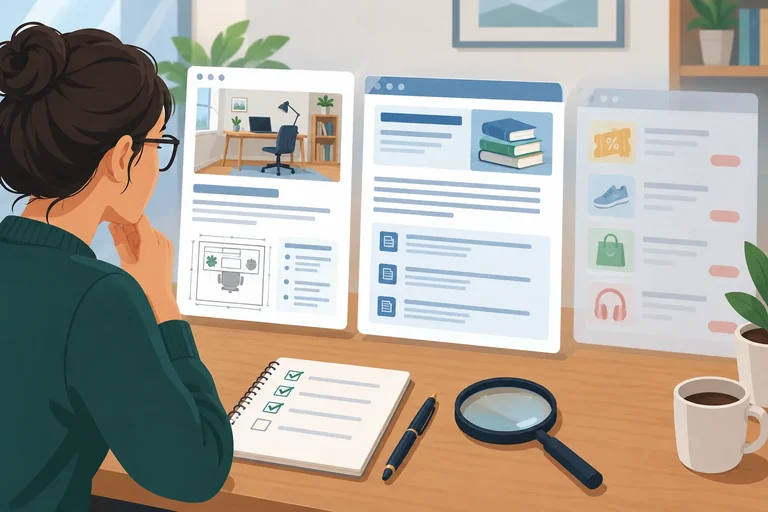
To judge a possible publisher, look for evidence in three areas:
A large audience, polished design, follower count, or apparent popularity does not replace these checks. An ethical reference should be useful to readers and remain the publisher’s independent choice.
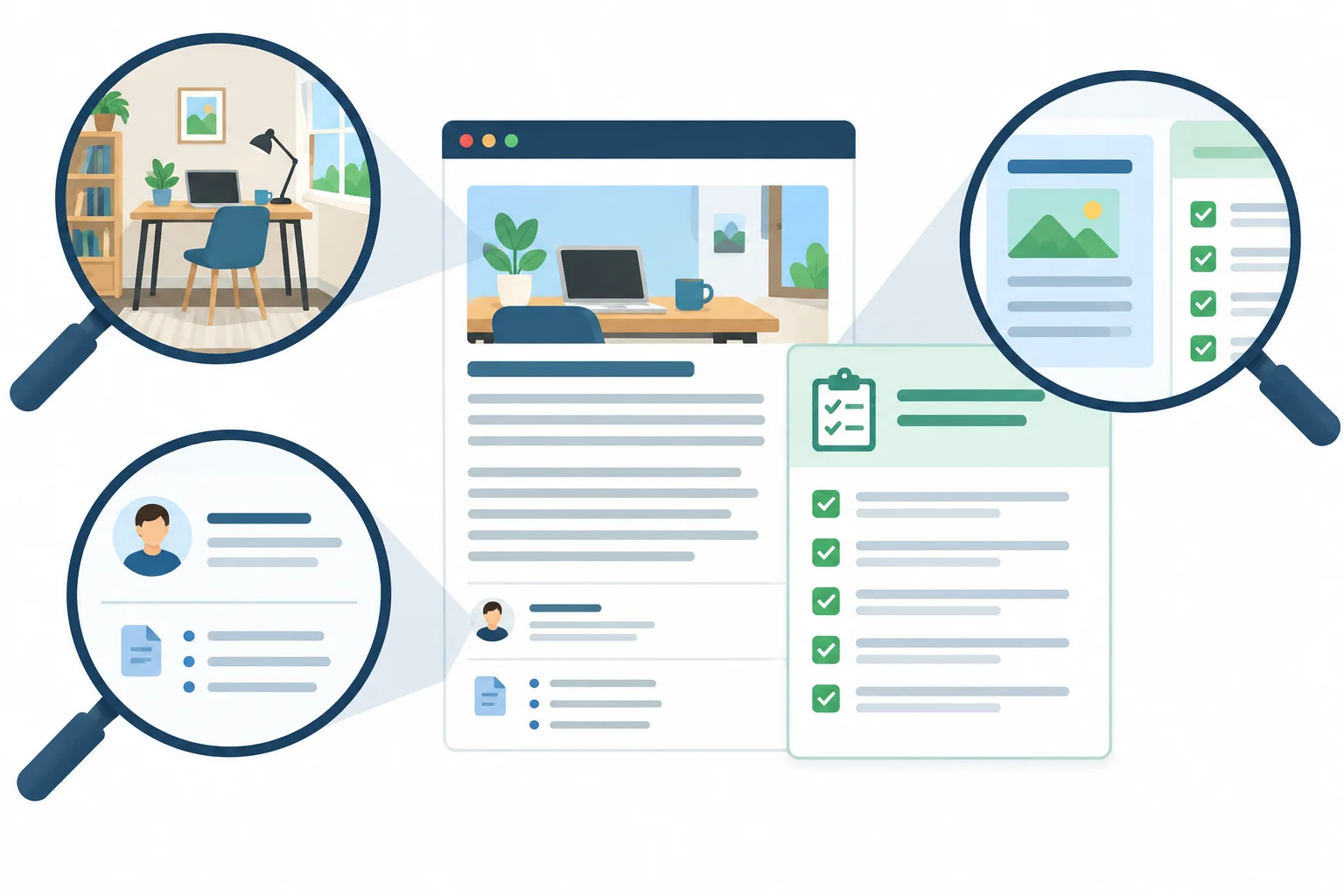
Use all three lenses before treating a publisher as a strong candidate.
Tip
Missing evidence is not proof that a publisher is poor quality. It means you should avoid inventing a conclusion. When a useful audience or credible source is visible but the editorial opportunity is unclear, choose Research further.
Read each invented excerpt as evidence, not as a promise of a backlink. These are evidence cases rather than a finalized outreach list. Notice why one case is ready to pursue, one needs more research, and one should be rejected.
Each evidence excerpt is fictional and is included only for practice.
| Prospect | Evidence | Reader benefit | Contact route | Decision |
|---|---|---|---|---|
| Small Space Living | Fictional profile: Named publisher, bylined and reviewed articles, plus a current “Compact Desk Nook” guide. | The checklist helps readers turn layout advice into a practical plan. | Not assessed | Pursue |
| Independent Work Association | Fictional profile: Named review committee and sourced remote-work guidance, but no observed small-space desk page. | The audience may benefit, but a specific editorial use is unconfirmed. | Not assessed | Research further |
| Daily Deal Stream | Fictional profile: Large deal feed with coupon posts, no identifiable owner or bylines, and no small-home topic. | No clear reader need for desk-planning guidance. | Not assessed | Reject |
Match each observation to the best evaluation category or decision.
Tap an item and then its matching pair.
Step 4 of 8
Design a useful resource concept that gives a relevant publisher a legitimate editorial reason to reference it.
A resource is link-worthy when it gives a publisher’s readers a concrete next step—not when it merely asks them to promote a brand.
For ClearDesk, the Small-Space Desk Planning Checklist can help someone turn general small-home desk advice into decisions about their own room. That is a possible editorial reason to reference it.
A backlink may help readers discover the resource, but the publisher remains free to decline or describe it in its own way. The useful question is: What does this add for their audience?
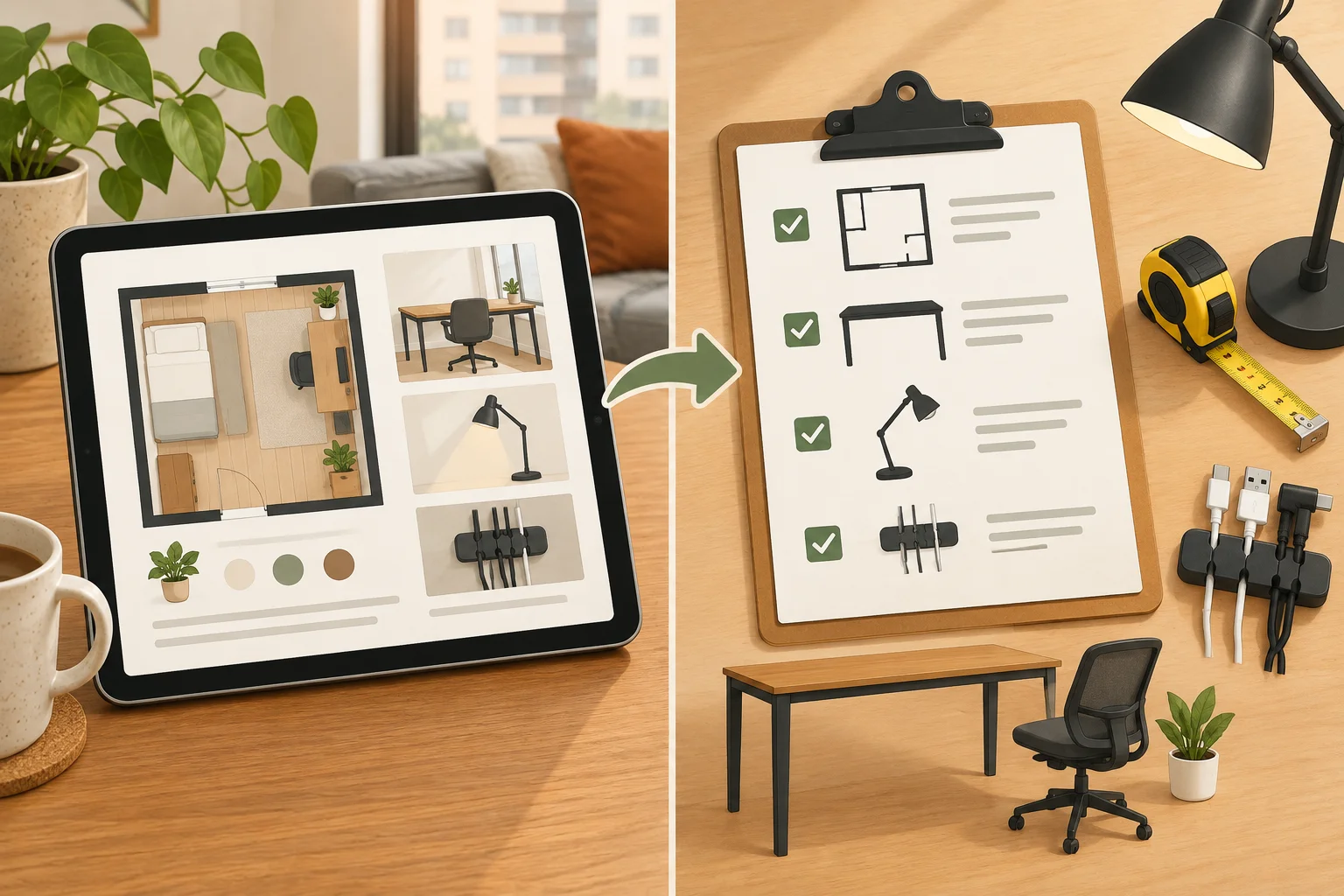
The resource should extend useful advice with a practical action, rather than repeat the publisher’s article or promote ClearDesk alone.
A useful resource does not need original research. A practical checklist, reusable worksheet, or carefully sourced reference guide can earn consideration when it solves a real reader problem.
Write a brief before creating anything. It connects:
This prevents a vague “resource” from becoming a disguised sales page.
Example
A brief is a planning statement, not the finished resource.
Fictional profile — Small Space Living
Its studio-apartment desk-setup guide discusses desk placement and lighting.
Reader problem: A small-home reader needs to translate general setup advice into decisions for a limited space.
Format: Small-Space Desk Planning Checklist.
Distinctive benefit: A sequence of planning checks helps the reader assess space, equipment, and setup needs before arranging a desk; it adds an action tool rather than repeating placement advice.
Evidence or review: Review measurements and any safety-related guidance against reliable current sources; check the checklist for plain language and practical completeness.
Editorial context: It could complement the publication’s desk-setup guide as an optional planning aid.
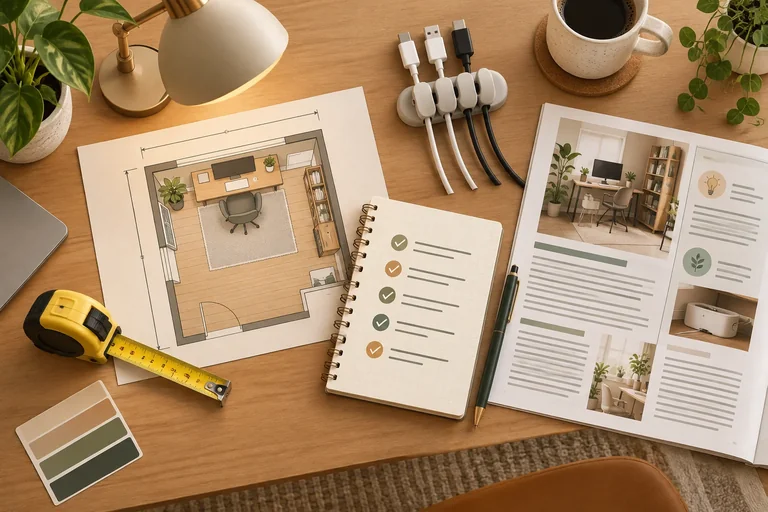
A checklist earns attention through its usable parts. Each section should help the reader make a decision that the publisher’s existing content does not already make for them.
For the ClearDesk resource, a short sequence can move from understanding the available area to checking practical setup details. The sections should be easy to scan and supported by reviewed guidance where needed.
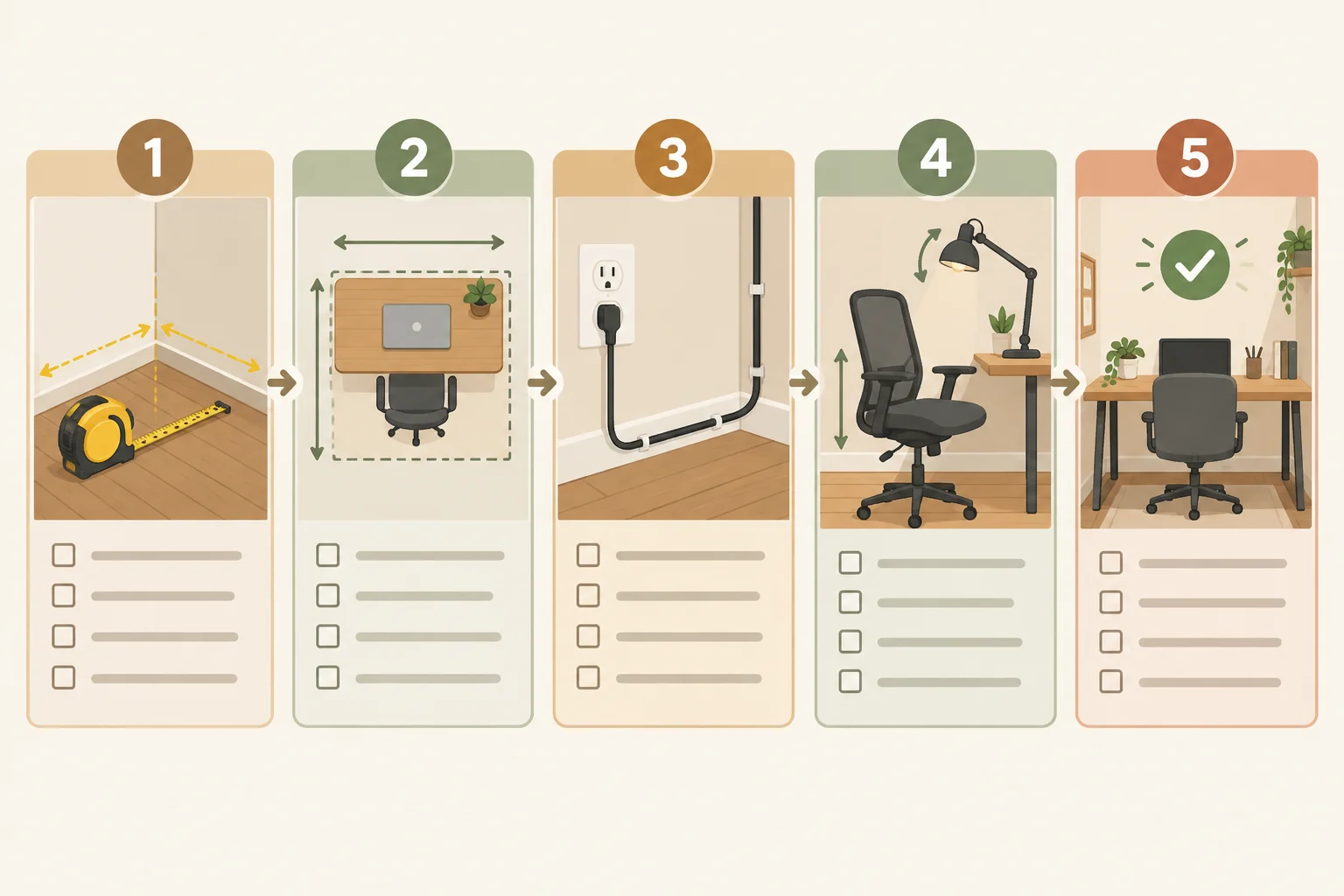
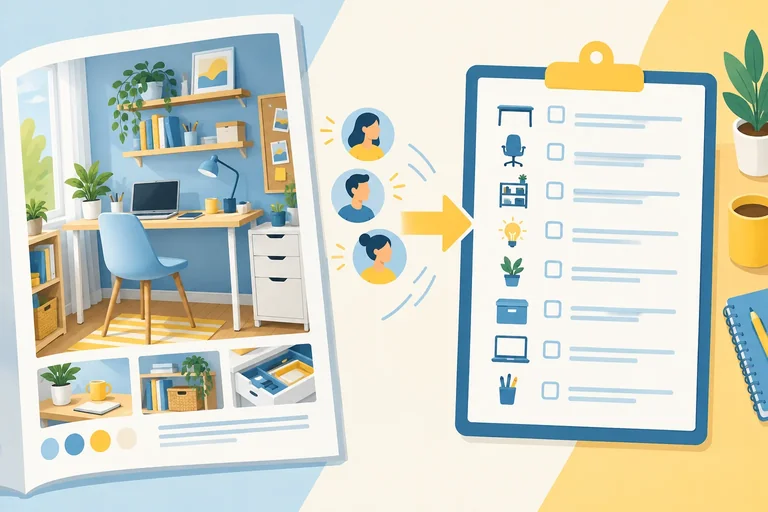
The sketch shows how the checklist can convert broad small-space advice into a sequence of reader decisions.
Warning
A proposal is not yet a resource that a publisher can responsibly reference. Before any real outreach, the promised material must be accessible, complete, and checked against the evidence or review requirements in its brief.
Do not claim that a resource is ready when it is only an idea.
Create a 90–130 word resource brief for Small Space Living. Use this editorial context: its fictional studio-apartment desk-setup guide covers placement and lighting.
Propose the Small-Space Desk Planning Checklist. Identify the reader problem, the practical deliverable, its distinctive benefit beyond the guide, and one evidence or review requirement. End by explaining why the checklist could fit this publisher’s readers.
Write a brief only; do not write an outreach message.
Write at least 350 characters (0/350).

Step 5 of 8
Create a compact, evidence-based prospect list for the ClearDesk Small-Space Desk Planning Checklist.
A prospect is a potential publisher that might independently choose to reference a useful resource. Start small with sources that naturally serve people who could use the ClearDesk Small-Space Desk Planning Checklist:
Look for public article topics, resource sections, and stated contact preferences. An existing relationship can make contact more natural, but it never creates an obligation to link. This practice uses complete fictional profiles, so you do not need a live website, database, or contact collection.
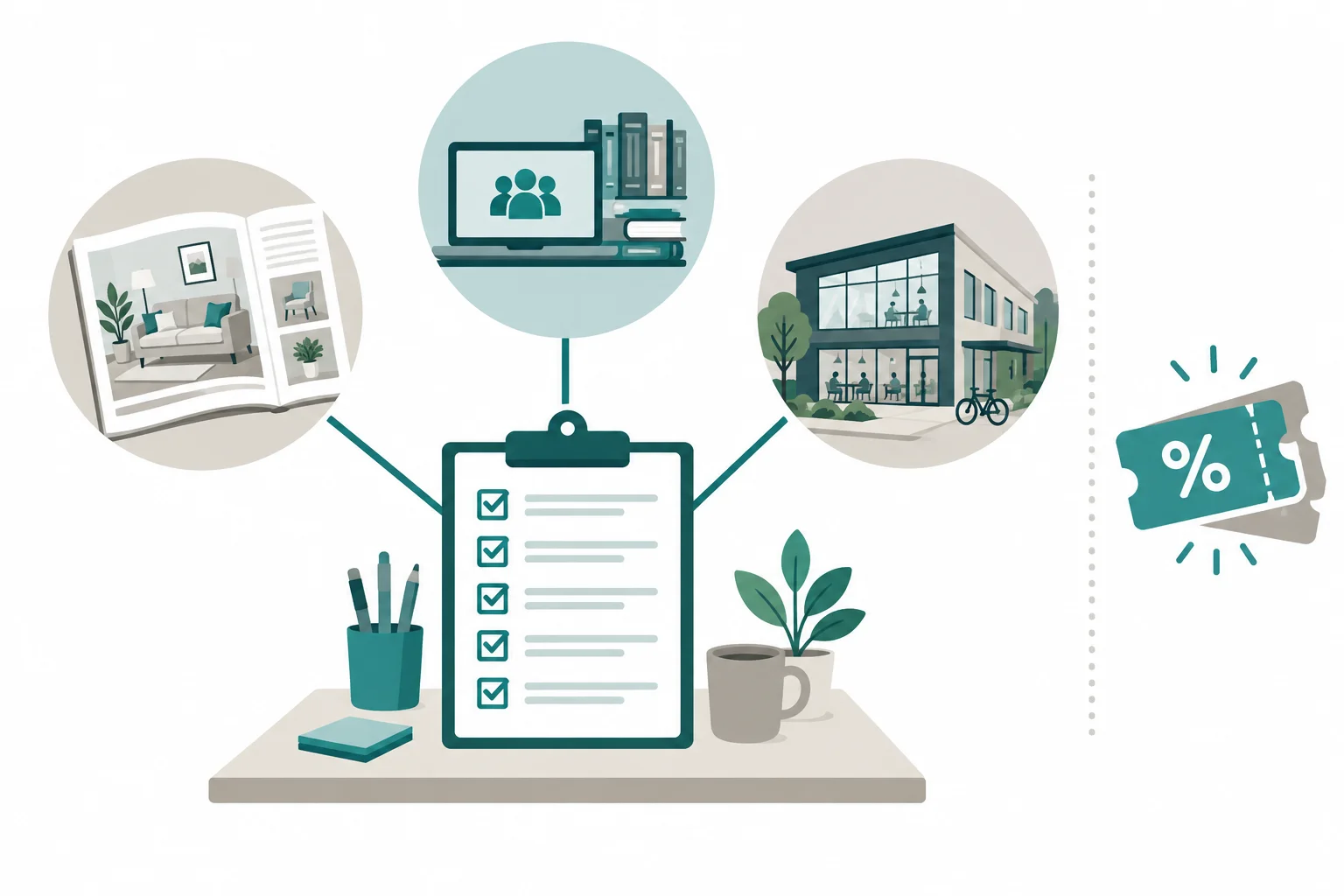
Begin with sources whose audiences have a plausible use for the resource; not every site that could link is a good prospect.
The entries below are complete Fictional profile evidence for this exercise. Use only what is observable here; do not invent audience needs, relationships, or contact details.
Each relevant profile offers a different editorial context for the same checklist. A profile is not valuable because it seems popular. It is useful when its audience, content, and public contact route create a credible opportunity for a helpful reference.
Fictional profiles for the ClearDesk Small-Space Desk Planning Checklist
| Prospect | Fictional profile | Public contact route |
|---|---|---|
| Small Space Living | Publishes studio-apartment layout guides. A recent article helps readers choose desks for tight rooms and links to practical planning aids. | Editorial suggestions form |
| Independent Work Association | Its resource library serves independent workers and includes home-workspace planning guidance. It invites practical resource suggestions through a public page. | Suggest a resource page |
| Maple Community Workspace | An existing ClearDesk community partner. Its member guide addresses moving between a home desk and a shared workspace; its partner page invites relevant community tools. | Partner contact page |
| Daily Deal Stream | A broad coupon feed focused on retail promotions. It has no home-workspace topic or resource section; vendors use a promotion application. | Vendor promotion application |
Tip
A reader benefit must connect a profile detail to a concrete use of the checklist. “This is a great ClearDesk resource” is a sales pitch, not a rationale.
For example, different audiences may need help with a tight-room layout, a workable home setup, or planning a desk used alongside a shared workspace. The checklist stays the same; the reason that audience might value it changes.
Keep each record compact and comparable. Use these labels exactly:
Prospect — the publisher or organization.
Evidence — one observable detail from the Fictional profile.
Reader benefit — how the checklist would help that prospect’s particular audience.
Contact route — the appropriate public route stated in the profile.
Decision — choose only Pursue, Research further, or Reject.
Use Pursue when the profile provides enough relevant evidence and a suitable route. Use Research further when a key fact is missing. Use Reject when the audience or editorial fit is not credible. An existing partner still needs reader value and remains free to decline.
Tip
Do not reuse one generic benefit across the list. The evidence should explain why this particular prospect’s readers—not merely any website visitors—could benefit from the Small-Space Desk Planning Checklist.
A public route is appropriate because it follows the publisher’s stated preference. It is not permission to pressure the publisher or to expect a reference.
Using the Fictional profiles, create exactly three compact prospect records: one for Small Space Living, one for Independent Work Association, and one for Maple Community Workspace.
For each record, use these labels:
Prospect:
Evidence:
Reader benefit:
Contact route:
Decision:
Give each prospect a distinct reader-benefit rationale and select a decision supported by its profile. Then add one sentence explaining why Daily Deal Stream should be excluded. Do not write an outreach message.
Write at least 500 characters (0/500).
Step 6 of 8
Create a concise, personalized outreach message that offers a useful resource while preserving publisher choice.
Outreach invites a publisher to consider a useful resource; it does not ask for a promised placement. A concise message has four moves:
Personalization is the connection between a real publisher observation and a reader benefit. “I love your site” is generic praise. Referring to a relevant topic and explaining a practical benefit is meaningful personalization.
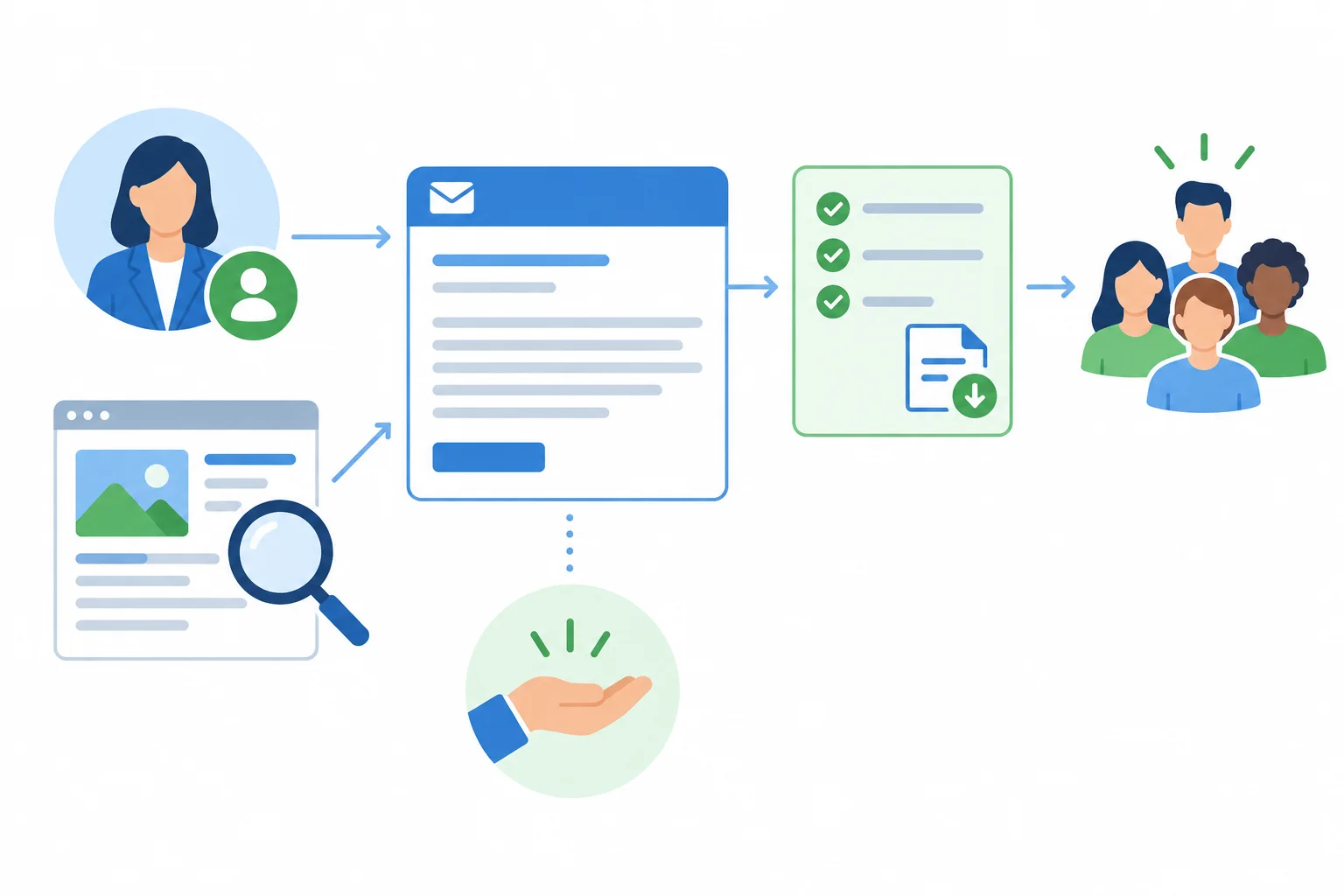
The observation supports the reader benefit; the request leaves the editorial decision with the publisher.
Fictional profile — Small Space Living
A public guide, “Creating a Work Corner in a Studio Apartment,” recommends measuring usable wall space before choosing furniture. Its readers are people trying to make limited homes work better.
The message below uses that specific guide as evidence. It does not claim a relationship, demand a backlink, or promise a ranking result.
Example
Subject: A planning aid for your studio work-corner guide
Hello Small Space Living team,
Your guide to creating a work corner in a studio apartment recommends measuring usable wall space before choosing furniture. ClearDesk created the Small-Space Desk Planning Checklist, a practical aid that helps readers compare desk dimensions, outlet access, storage needs, and clear walking space before they buy or rearrange furniture. It may be useful as an optional resource beside that guide for readers who want to turn the advice into a simple plan. If you think it could help your audience, you are welcome to review it here: [resource URL]. No response is expected if it is not a fit.
Alex | ClearDesk
Why this works:
The publisher remains free to decline, edit the description, or choose whether and how to reference the resource.
Use a subject line that accurately describes the purpose, such as a resource suggestion for a named guide. Do not imply an existing conversation with “Re:” or create false urgency.
Do not request keyword-rich anchor text, a particular link treatment, or a guaranteed backlink. An independently chosen editorial reference is an earned link; outreach only creates an opportunity for consideration.
Warning
A practice message is unsent. Before any real outreach, the promised resource must be complete, checked, and accessible. Follow the publisher’s stated contact preferences and applicable contact rules. Use [resource URL] only as a placeholder in a Practice draft.
Write an 80–120-word Practice draft for the Independent Work Association.
Fictional profile: Its public resource page offers guidance for members building sustainable home-office habits, including a section on setting up a productive work area in limited space.
Use a separate Subject: line and a plain-text body. Sign as Alex | ClearDesk and use [resource URL]. Include one supported observation, a concrete reader benefit of the Small-Space Desk Planning Checklist, and a request that clearly allows the publisher to decline. Keep it unsent.
Write at least 430 characters (0/430).
Step 7 of 8
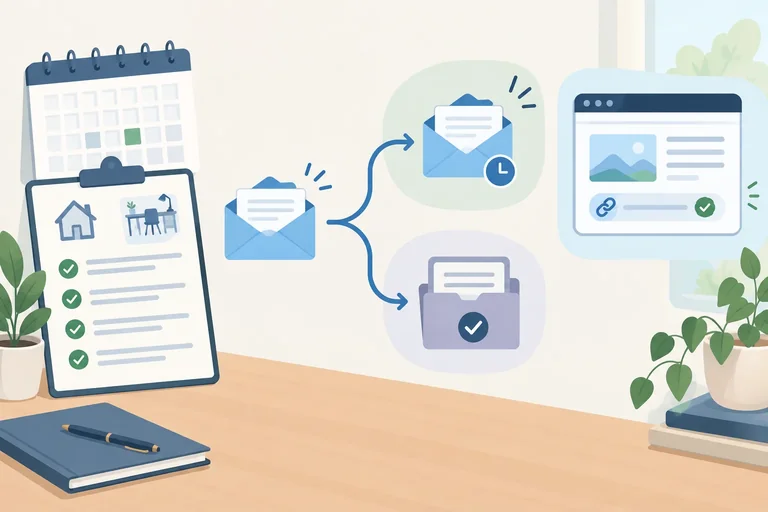
Choose a proportionate follow-up action and accurately distinguish outreach activity from a verified earned link.
This worked example begins after the initial outreach has been sent through the publisher’s relevant public business route. Its status is Contacted. Silence is not permission, interest, or a commitment to reference the resource.
First, check the publisher’s instructions. If they allow follow-ups, wait 7–10 calendar days after the initial outreach, then send 1 follow-up maximum if there is still no reply. This is the example’s restrained policy, not a universal timing rule.
If instructions prohibit follow-ups, send nothing else. Record the outreach as Closed once you decide that no further contact is appropriate under those instructions. Do not change channels to evade that boundary.
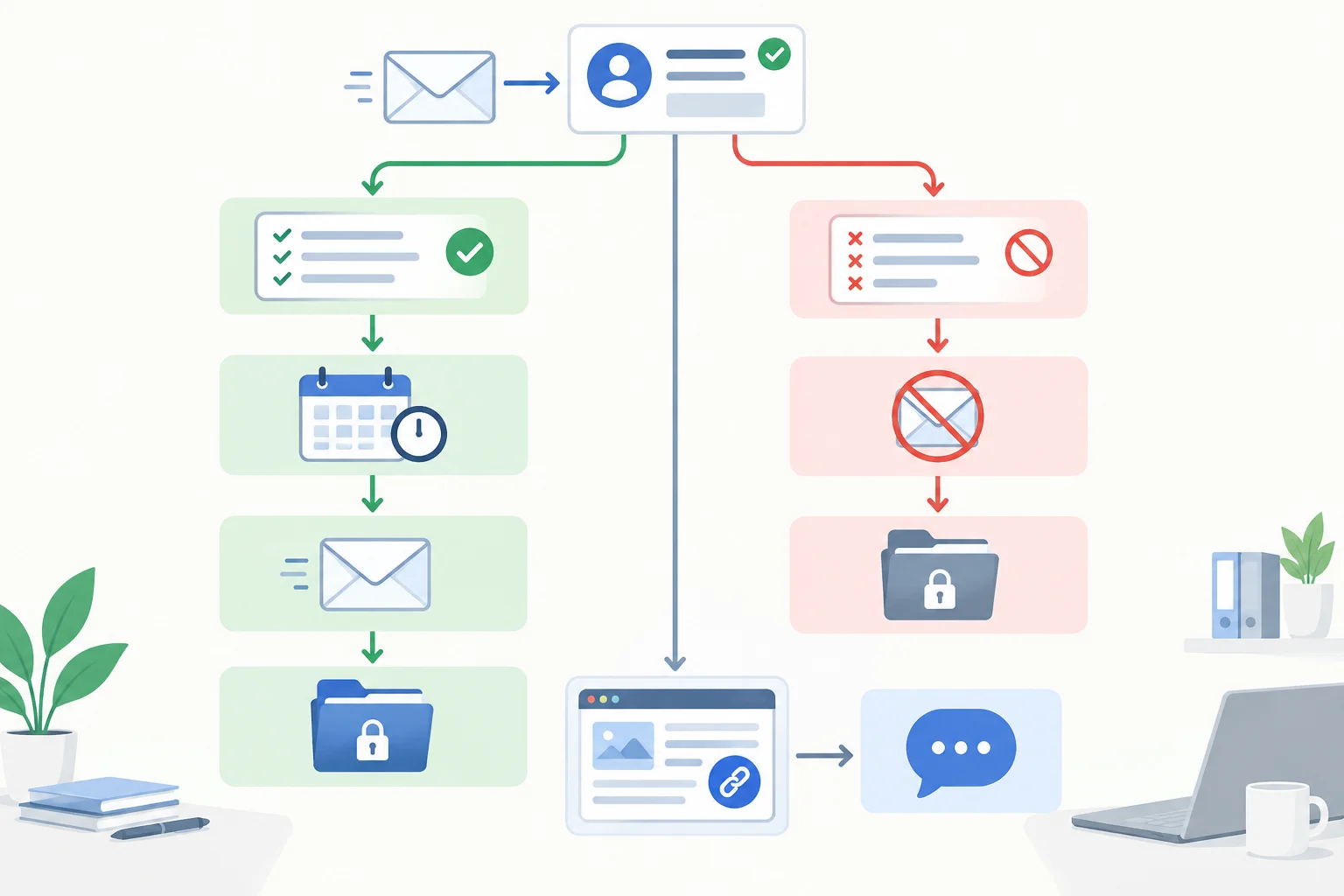
In this worked example, a no-reply record becomes Closed after an unanswered permitted final follow-up, or when publisher instructions prohibit any follow-up.
Use only a relevant public business contact route and retain only what you need for the outreach record: the prospect, contact route, date, current status, and outcome evidence. A publicly visible route is not unlimited permission to contact repeatedly or through unrelated channels.
Stop after a decline or opt-out request. Also stop after an unanswered final follow-up, or when the publisher’s instructions prohibit follow-ups. Do not switch to social messages, personal addresses, or another channel to bypass the boundary.
Update a status only when the evidence supports it. A reply or a promise is not placement evidence.
| Status | Use when |
|---|---|
| Not contacted | No message has been sent. |
| Contacted | The outreach message was sent. |
| Replied | The publisher responded, but no placement is verified. |
| Closed | The publisher declined, opted out, follow-ups are prohibited, or the permitted final follow-up was unanswered. |
| Earned link verified | A published editorial page links to the intended resource. |
Tip
Record an earned link only after confirming both parts: a published editorial page exists, and its link leads to the intended resource. A positive reply or a promise to add the resource later remains Replied until placement evidence is available.
The initial outreach has already been sent, no reply has arrived, and the publisher’s instructions allow follow-ups. Put the worked example’s remaining actions in order.
Match each Fictional profile outcome record to its current status.
Tap an item and then its matching pair.
Step 8 of 8
Combine your resource, three prospect records, personalized outreach, and verification rule into a small plan that preserves editorial independence.
Summary
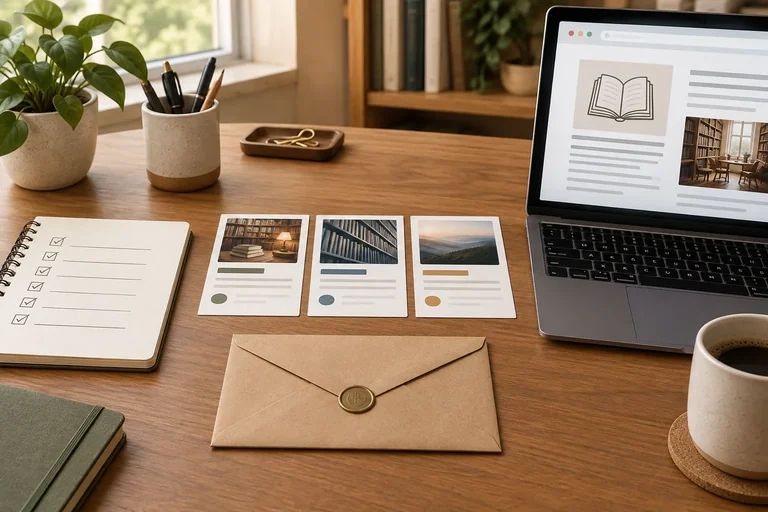
A usable link-earning plan connects five earlier decisions into one small workflow:
The plan is deliberately small. Its purpose is to make a thoughtful outreach decision possible, not to manufacture links.
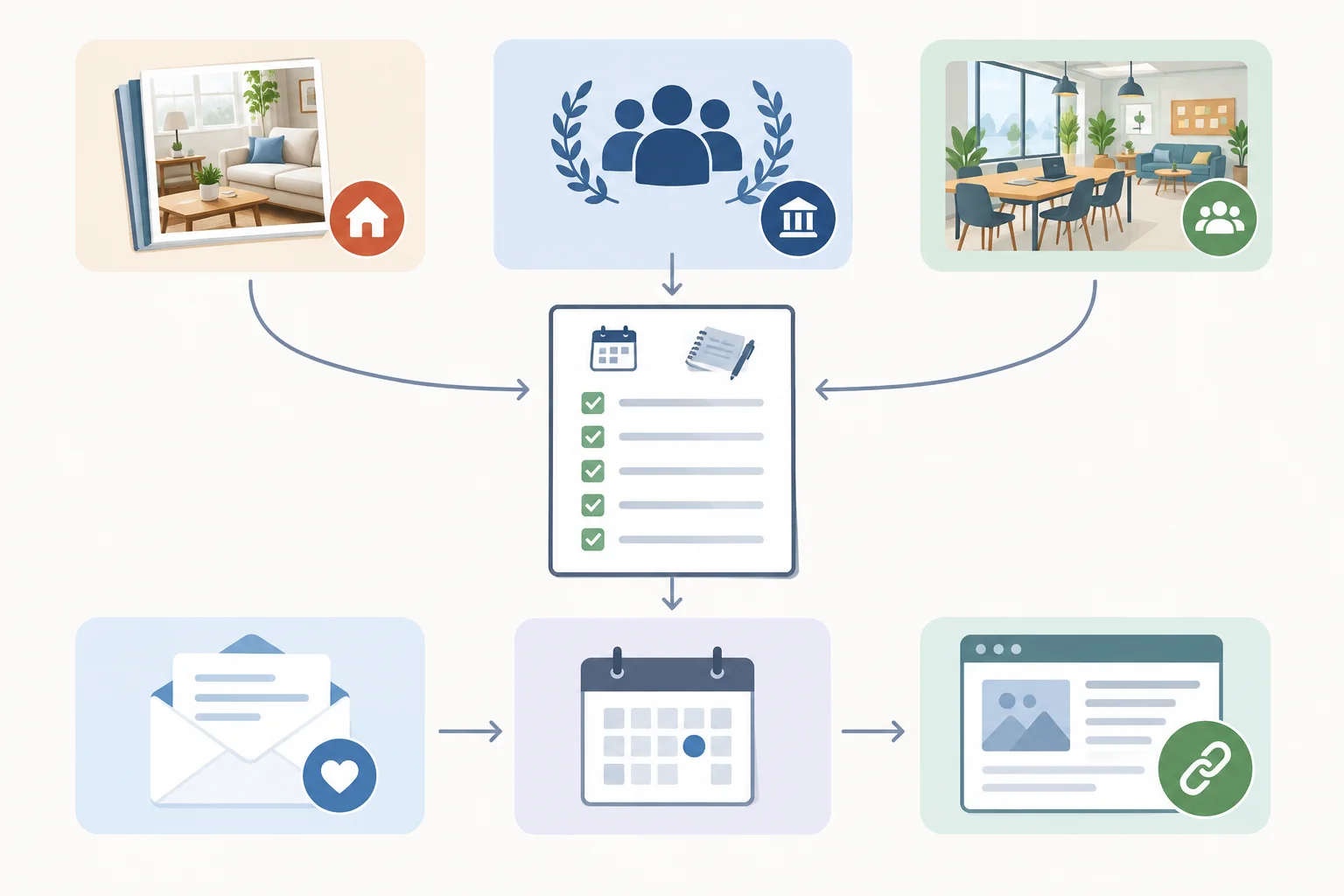
A plan moves from a useful resource to evidence-based outreach and then to verification. The publisher may decline or choose a different outcome at any point.
Before any real outreach, review the plan for four things:
Revise a weak rationale instead of adding more names. For example, replace “This site could share our checklist” with a specific connection between a publisher topic, its readers, and the checklist's practical use.
Use these records consistently in the worked plan.
| Plan area | What a ready plan shows |
|---|---|
| Prospect record | Prospect, Evidence, Reader benefit, Contact route, and Decision |
| Message | A truthful Subject: line and an 80–120 word Practice draft body |
| Follow-up | The worked example's restrained policy: 7–10 calendar days and 1 follow-up maximum |
| Status | Begin as Not contacted; use Contacted, Replied, Closed, or Earned link verified only when accurate |
| Verification | A published editorial page links to the intended resource |
Create your compact ethical link-earning plan in labeled sections.
Do not expand this into mass outreach.
Write at least 650 characters (0/650).
Completion does not mean a publisher has replied, linked, or improved your rankings. It means you have a defensible plan that respects readers and publisher choice.
Your next action is practical: prepare the Small-Space Desk Planning Checklist, verify that it is accessible and accurate, and only then consider outreach that follows each publisher's preferences and applicable contact rules.
Congratulations! You completed: Plan Ethical Link Earning and Outreach
You completed this level!
Up next: Organic Social Media
 Plan Instagram Reels and CarouselsPlan Instagram Reels and carousels for a specific audience need, then assess their usefulness using illustrative native-metric summaries. Develop written content plans without needing to publish or access a professional account.
Thousands of online courses in video, ebooks and audiobooks.
To test your knowledge during online courses
Generated directly from your cell phone's photo gallery and sent to your email

Download our app via QR Code or the links below:.


Carry knowledge in your pocket.
Download the Cursa app.
There are hundreds of free courses available, with a free certificate of completion that is saved in your mobile image gallery.
Download the app to access the Course Completion Certificate for Free.

+ 10 million
students

Free and Valid
Certificate

60 thousand free
exercises

4.8/5 rating in
app stores

Free courses in
video and ebooks