Step 1 of 7
See the Customer and Business Views
Distinguish the customer journey from the marketing funnel by identifying the question each view helps answer.

Learning path · Level 1 · Tutorial 3
Map how a customer moves from recognizing a need to choosing and continuing with a business, identifying useful touchpoints and a priority barrier.
 See the Customer and Business Views
Distinguish the customer journey from the marketing funnel by identifying the question each view helps answer. 2 min
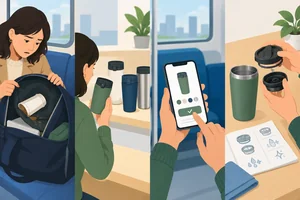 Recognize Four Journey Stages
Identify Awareness, Consideration, Conversion, and Post-purchase from the customer’s current intent. 2 min
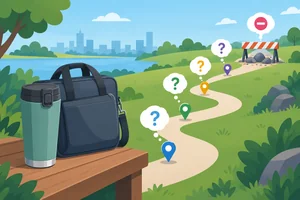 Map Questions and Barriers
Turn Alex’s goal into stage-specific customer questions and barriers while clearly separating supplied case observations from assumptions. 2 min
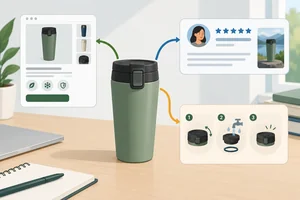 Connect Touchpoints to Customer Needs
Select concrete TrailCup touchpoints that address customer needs, then describe the useful role of their channels. 3 min
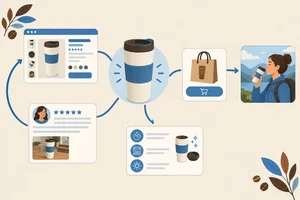 Make Room for Loops and Return Visits
Learn how a journey map can represent return visits and branching paths without treating a channel as a fixed customer stage. 2 min
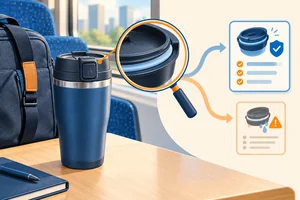 Choose One Barrier Worth Addressing
Select a defensible priority barrier and explain why addressing it could help both the customer and the business. 2 min
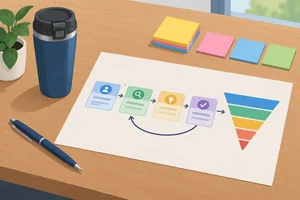 Build and Review Your Journey Map
Integrate the TrailCup case into a concise four-stage journey map, add a plausible return visit, and justify one priority barrier. 3 min
Step 1 of 7
Distinguish the customer journey from the marketing funnel by identifying the question each view helps answer.
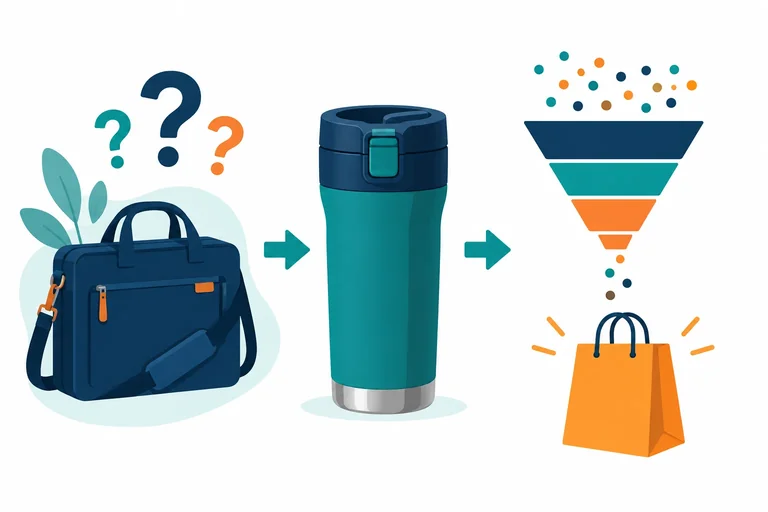
A customer journey follows the customer’s experience while pursuing a goal. It focuses on what the person is trying to do, the questions they have, the interactions they encounter, and the difficulties that may slow them down.
A marketing funnel is a simplified business view. It summarizes how people may progress toward a desired action. For TrailCup, that desired action is a first purchase.
Use Alex’s commuter goal as a planning lens. Do not treat the persona as proof that Alex has followed a particular path.
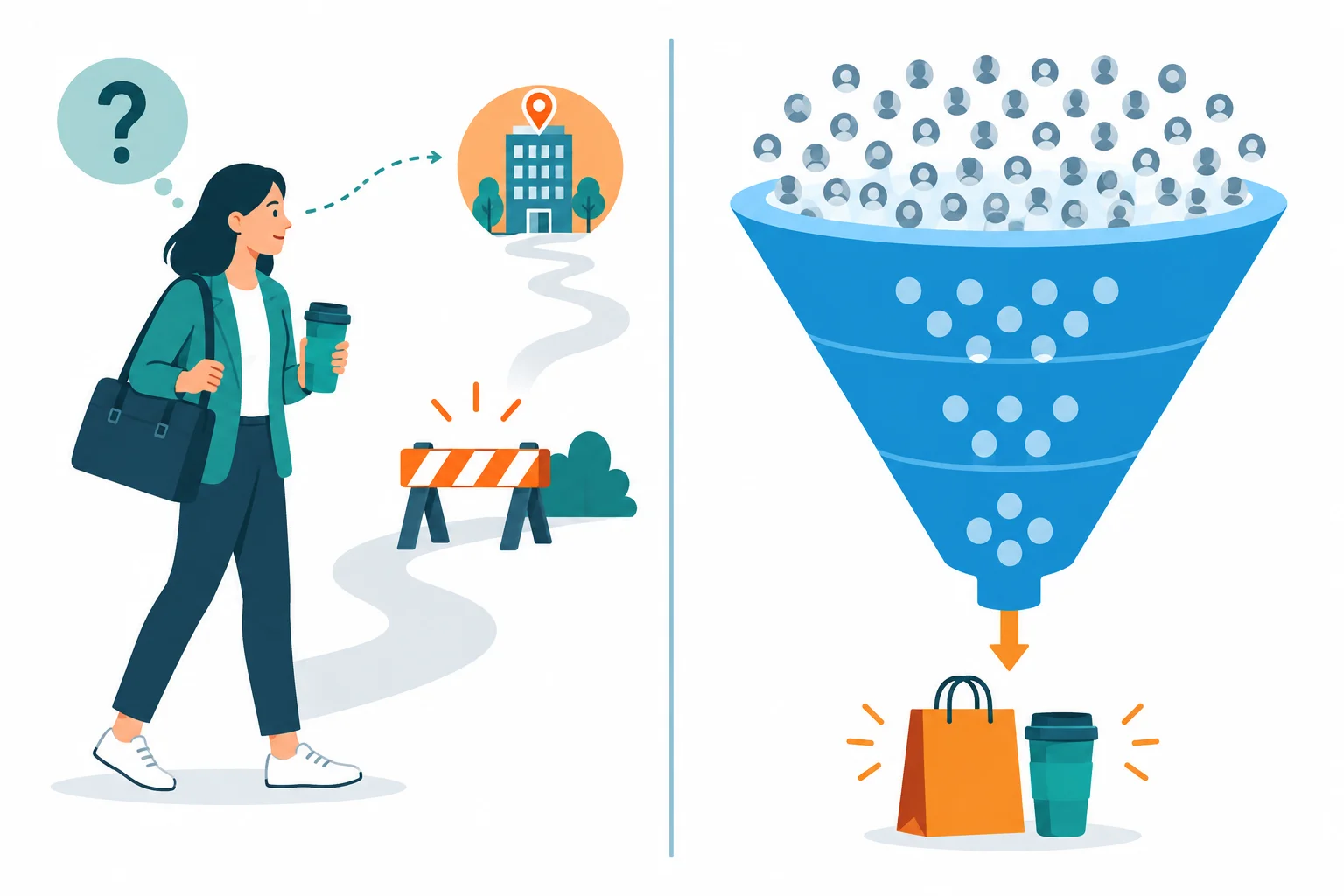
The journey lens follows Alex’s experience; the funnel lens summarizes progress toward a first purchase.
Example
Case observation: Two prospective buyers asked whether the TrailCup lid leaks inside a bag. One of those prospects revisited the product page after reading an unpaid customer review.
The journey view asks what uncertainty or difficulty the person may be trying to resolve. The funnel view asks how this behavior relates to progress toward a first purchase. Neither view replaces the other.
Ask different questions of the same situation.
| View | Most useful question | What it does not fully show |
|---|---|---|
| Customer journey | What is the customer trying to understand or overcome? | Overall business progression |
| Marketing funnel | How might people be moving toward a first purchase? | Each person’s full context, questions, and behavior |
Warning
A funnel is a helpful schematic, not a complete record of an individual. It cannot prove why a person acted, what they understood, or every interaction they had.
TrailCup needs to answer two questions:
Which choice uses the more useful view for each question and explains why the views work together?
Step 2 of 7
Identify Awareness, Consideration, Conversion, and Post-purchase from the customer’s current intent.
A journey stage labels what the customer is trying to do now. It is not a required step-by-step schedule.
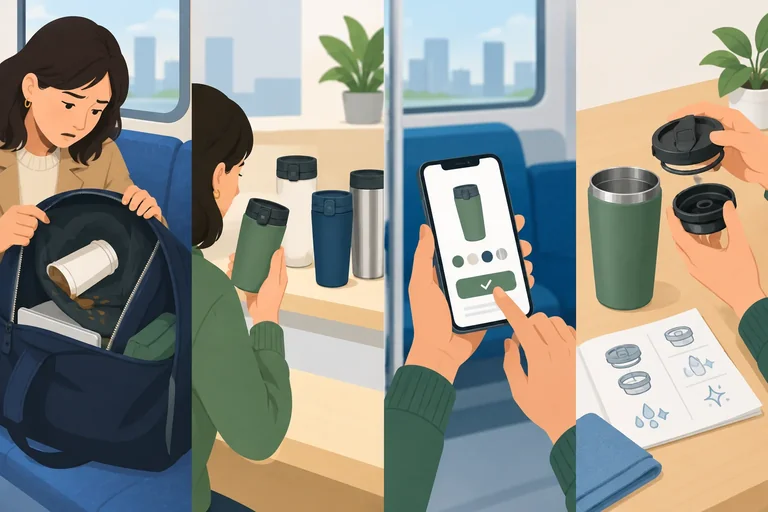
For TrailCup, Alex may first notice a need, then evaluate whether the mug fits, then complete a first purchase, and later use the product or seek help. Classify the situation by current intent—not by how long the person has been researching or which channel they used.
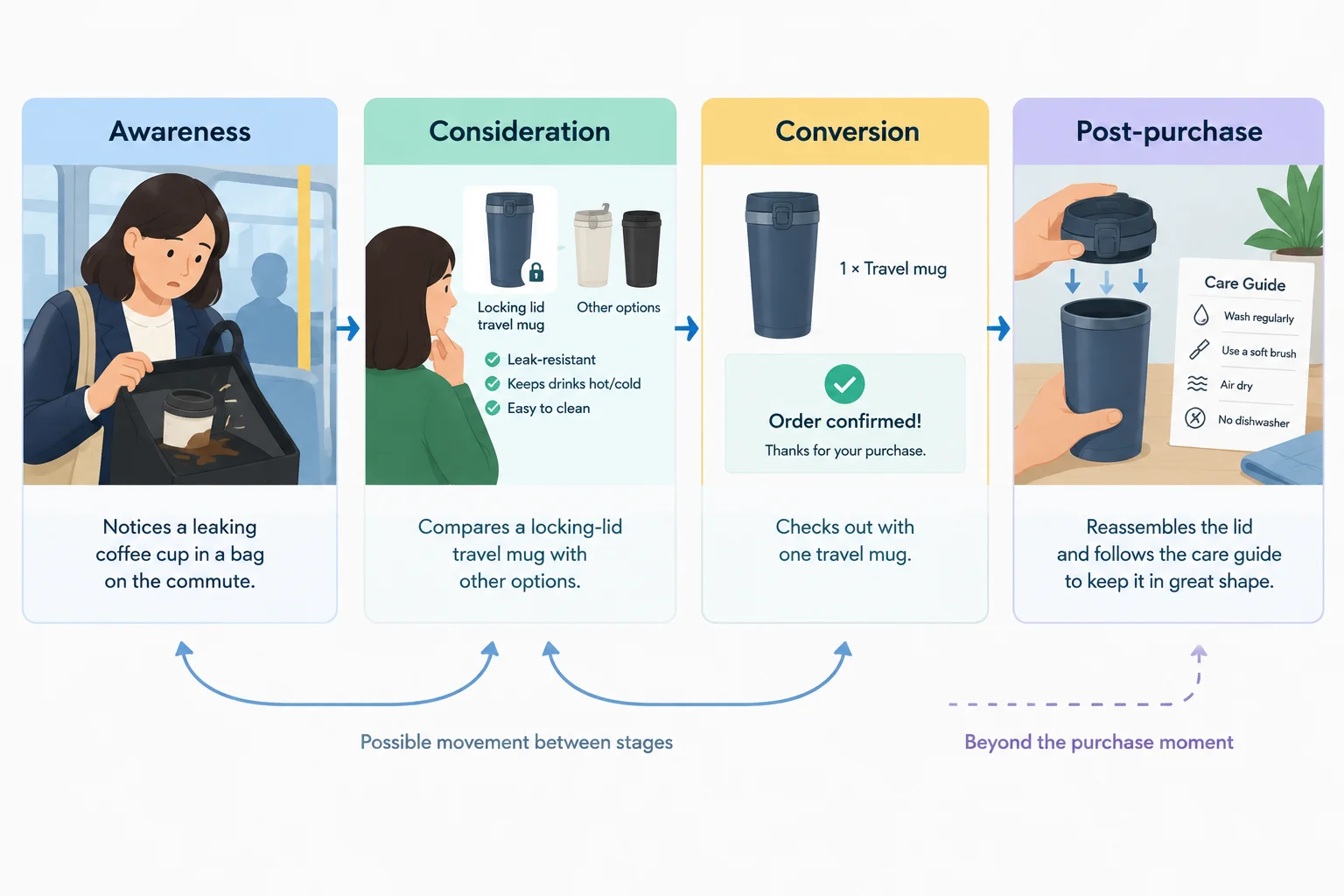
The stages organize changing customer intent around a first purchase and later use.
Use these four labels consistently when organizing Alex's journey.
| Stage | Current intent | TrailCup example |
|---|---|---|
| Awareness | Recognize a need or discover a possible solution | Alex wants coffee in a bag without leaks and notices that a locking-lid mug exists. |
| Consideration | Evaluate fit, alternatives, or reasons to trust an offer | Alex examines whether TrailCup may be leak-resistant and easy to clean. |
| Conversion | Complete the desired action | Alex completes a first TrailCup purchase. |
| Post-purchase | Use the product, get help, or possibly return or recommend | Alex uses the mug and checks how to reassemble the lid after washing. |
Tip
In this tutorial, Conversion means a first purchase. Post-purchase is a continuation after that purchase, not an extra narrowing part of the purchase-focused funnel.
A person can pause, compare, or revisit an earlier question. The label should still reflect the purpose of the interaction at that moment.
Match each TrailCup situation to the stage that best describes the customer’s current intent.
Tap an item and then its matching pair.
Step 3 of 7
Turn Alex’s goal into stage-specific customer questions and barriers while clearly separating supplied case observations from assumptions.
Start with Alex’s goal: carry coffee on a commute without leaks and clean the lid easily.
Turn that goal into a customer-centered question: something Alex needs to know now. Then name the barrier: the uncertainty, missing information, or friction that makes progress harder.
A question asks what the customer is trying to find out. A barrier names what is holding the customer back. Neither is a proposed marketing solution.
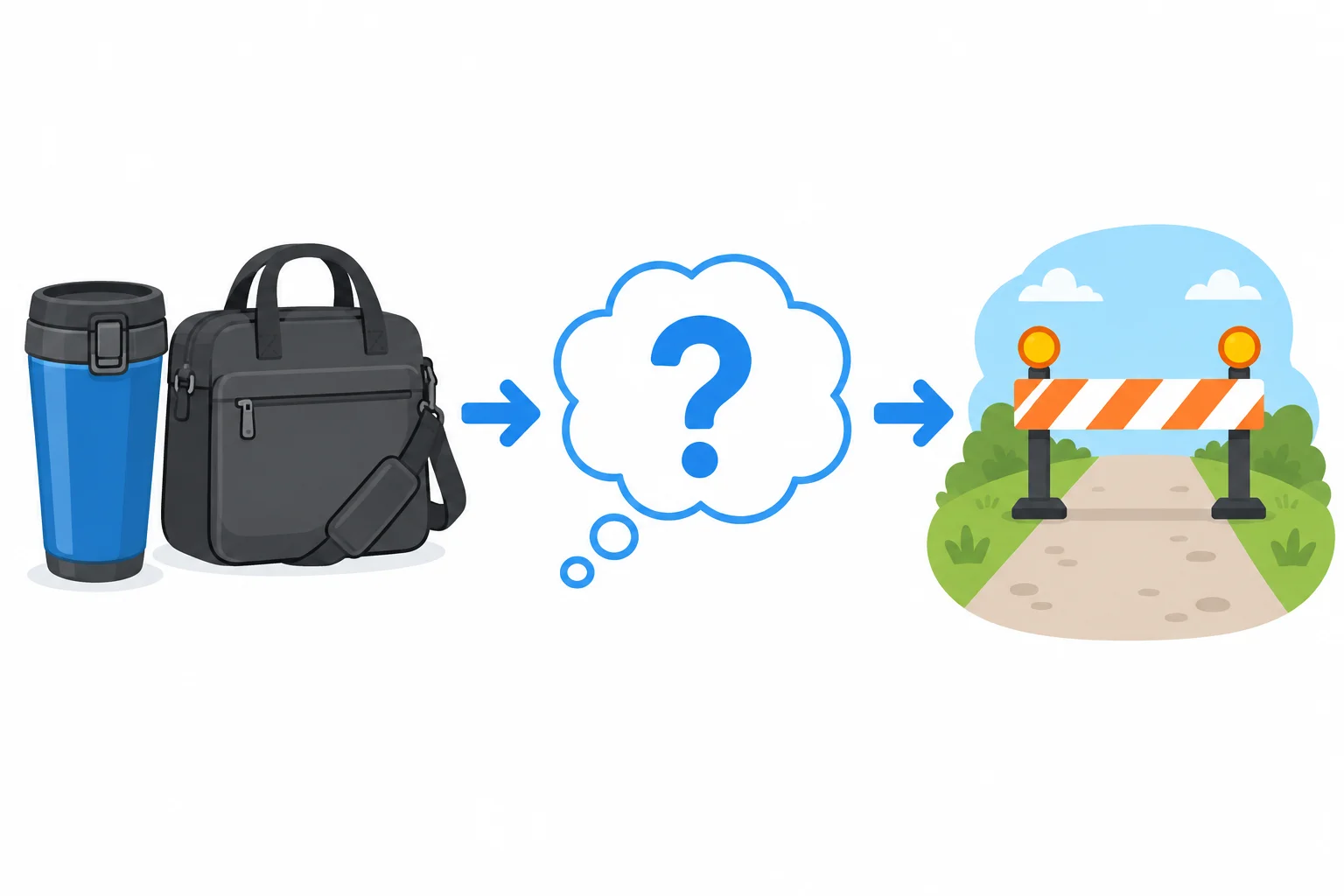
A customer question identifies what Alex needs to know; a barrier identifies what makes progress difficult.
Example
For example:
“Add a reassurance message” would be a proposed solution, not a question or barrier. Keep this step focused on the customer’s situation first.
Use the supplied fictional case observations narrowly. They describe case customers, not verified behavior or thoughts from Alex.
When you connect an observation to Alex’s likely question or barrier, label that connection as an Assumption. This keeps the map useful without pretending it is confirmed customer research.
Use the evidence label that matches the claim.
| Claim | Correct label | Why |
|---|---|---|
| Two prospective buyers asked whether the lid leaks inside a bag. | Case observation | This is supplied case evidence. |
| Alex will ask whether the lid leaks inside a bag. | Assumption | Alex’s specific question is inferred. |
| One customer reported assembling the lid incorrectly after washing. | Case observation | This is supplied case evidence. |
| Alex may need help after washing the lid. | Assumption | Possible need for Alex is inferred. |
The draft below fills only the question and barrier fields. Touchpoint and channel-role decisions come later. Notice that every Alex-specific question or difficulty is marked as an Assumption, even when a Case observation makes it plausible.
Draft for Alex and TrailCup
| Stage | Customer question | Barrier | Touchpoint | Channel role | Evidence / assumption |
|---|---|---|---|---|---|
| Awareness | Could a reusable mug help me avoid commute leaks? | May not know a locking-lid option exists. | — | — | Assumption: Alex is exploring a possible solution. |
| Consideration | Will TrailCup stay secure inside my bag and be easy to clean? | Uncertainty about bag leaks and lid cleaning. | — | — | Case observation: two prospective buyers asked about bag leaks. Assumption: Alex has these evaluation concerns. |
| Conversion | Am I ready to complete a first purchase? | Remaining uncertainty may delay purchase. | — | — | Assumption: Alex still has a decision barrier. |
| Post-purchase | How do I reassemble the lid after washing? | Incorrect reassembly can make use difficult. | — | — | Case observation: one customer reported incorrect assembly after washing. Assumption: Alex may need this guidance. |
Complete the missing fields in this partial TrailCup draft. Write two short rows:
Consideration | customer question | barrier | Evidence / assumption note
Post-purchase | customer question | barrier | Evidence / assumption note
Use these supplied facts:
Make each question and barrier customer-centered. In each evidence note, distinguish the case observation from an Assumption about Alex. Do not name a touchpoint or propose a solution.
Write at least 180 characters (0/180).
Step 4 of 7
Select concrete TrailCup touchpoints that address customer needs, then describe the useful role of their channels.
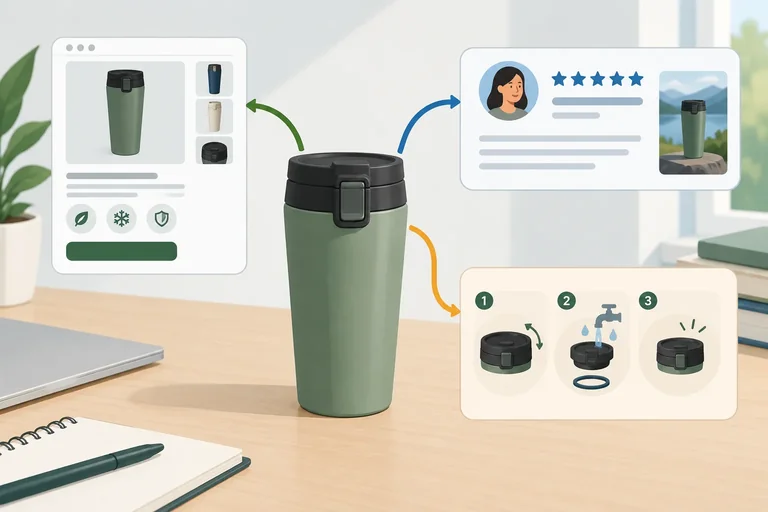
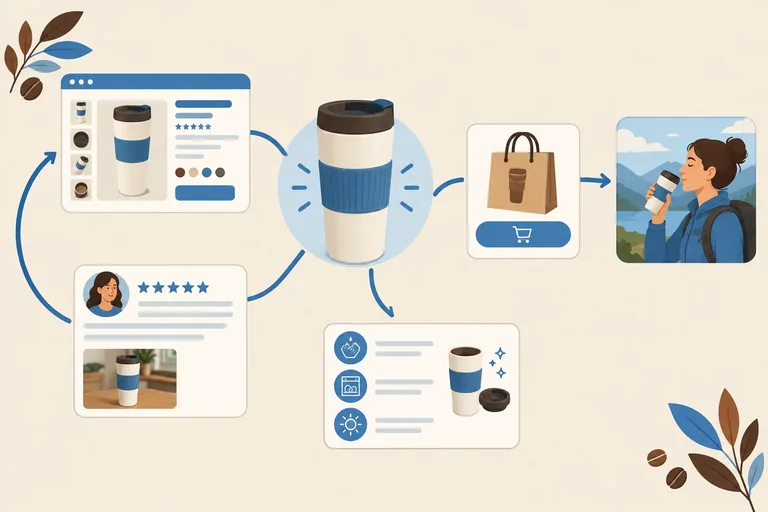
A touchpoint is a specific customer interaction: reading a product page, reading an unpaid customer review, or following a lid-care guide. A channel is the medium through which that interaction happens; its category may be Owned, Earned, or Paid.
Do not write only a channel category in a journey map. Name the interaction, then state what the channel helps the customer do. For example, a channel role can be answer fit questions or support product use.
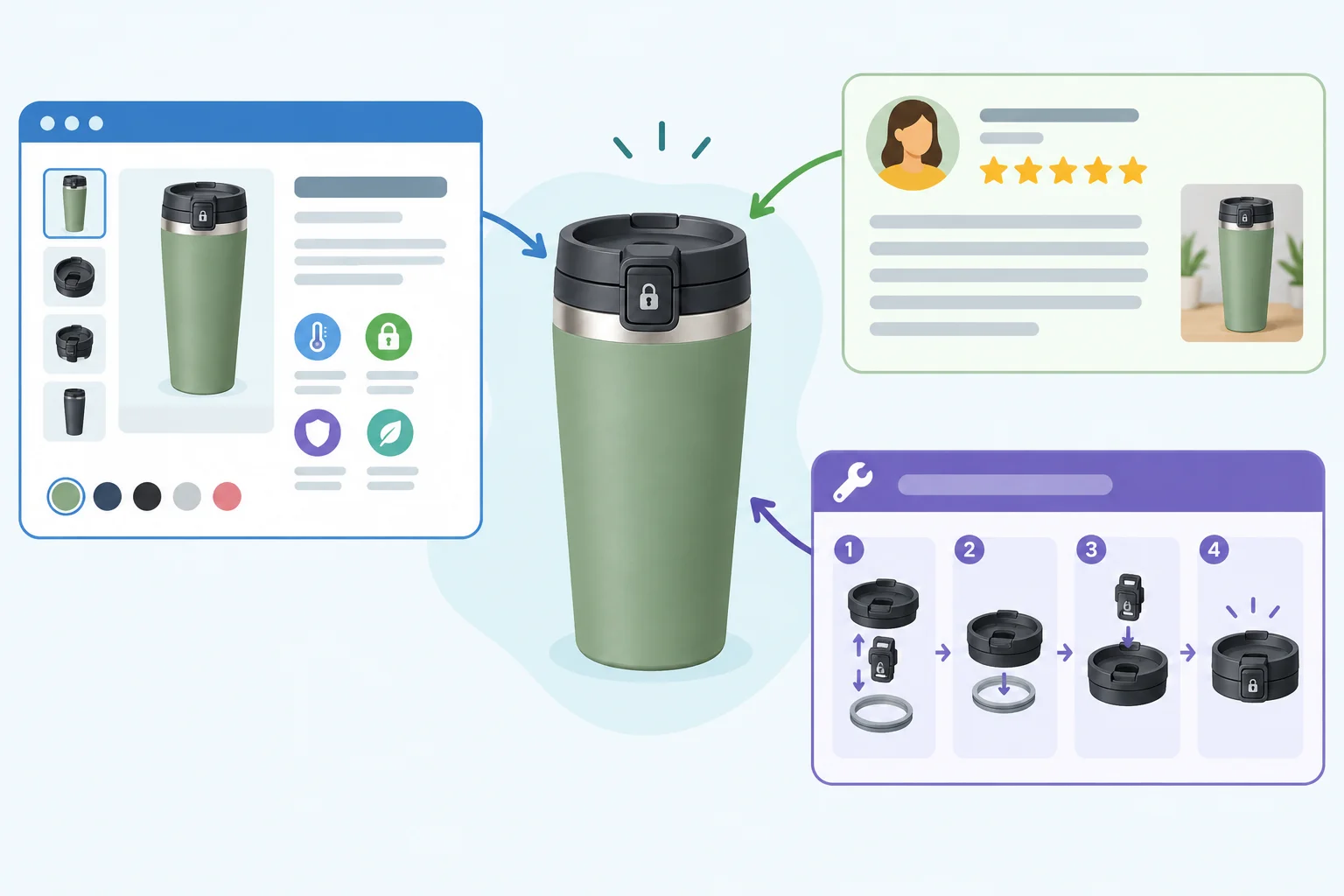
The product page, unpaid customer review, and lid-care guide are concrete touchpoints. Each can serve a different customer need.
Tip
Choose a touchpoint because it answers the customer's current question or reduces a barrier. A broad label such as “Owned” is useful context, but it is not the interaction itself.
The same customer need can have more than one helpful touchpoint. For example, someone concerned about bag leaks might compare information on a product page with an unpaid customer review. That use is an Assumption unless it is observed for that person.
Use the evidence note to separate the supplied fictional case observations from proposed explanations about Alex.
These example rows keep the customer question, barrier, touchpoint, and channel role distinct.
| Stage | Customer question | Barrier | Touchpoint | Channel role | Evidence / assumption |
|---|---|---|---|---|---|
| Consideration | Will TrailCup leak in my bag? | Uncertainty about bag leaks | product page | answer fit questions | Case observation: two prospective buyers asked about bag leaks. Assumption: Alex has this question; the product page addresses it. |
| Consideration | Can I trust it for commuting? | Need for credible experience | unpaid customer review | help assess trust | Case observation: one prospect viewed the product page after an unpaid customer review. Assumption: Alex uses the review to assess trust. |
| Post-purchase | How do I reassemble the lid after washing? | Reassembly friction | lid-care guide | support product use | Case observation: one customer assembled the lid incorrectly after washing. Assumption: the guide helps Alex reassemble it. |
Example
At Consideration, Alex may use the product page to assess fit. At Conversion, the same product page can support a first purchase by making needed information available. The interaction has not become a permanently “Conversion” channel: its useful role follows the customer's purpose.
Match each customer need to the touchpoint that would most directly help.
Tap an item and then its matching pair.
Alex wants to check whether TrailCup can leak in a work bag before deciding. After purchase, Alex needs help reassembling the lid after washing.
In 2–4 sentences, name a suitable touchpoint for each need. For one touchpoint, name its channel category (Owned, Earned, or Paid), state its role as a short verb phrase, and explain why it helps. Treat choices about Alex as assumptions, and do not claim that the channel can serve only one stage.
Write at least 120 characters (0/120).
Step 5 of 7
Learn how a journey map can represent return visits and branching paths without treating a channel as a fixed customer stage.
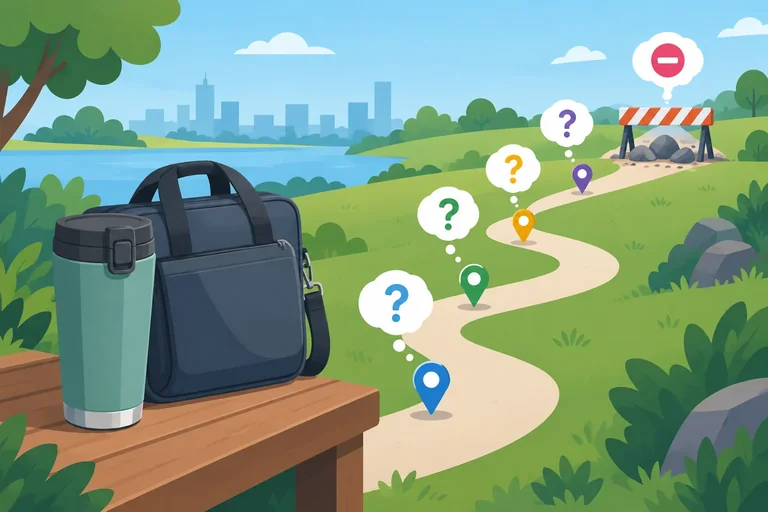
A journey map does not have to be a straight line. A customer can pause, compare alternatives, revisit a touchpoint, or return to an earlier question.
Stages still describe the customer’s current intent. They do not describe the channel itself. For example, an unpaid customer review may help someone evaluate leak claims during Consideration; the review channel does not permanently mean one stage.
Case observation: one prospective TrailCup buyer revisited the product page after reading an unpaid customer review. This supports one repeated-interaction pattern. It does not prove that every buyer follows that route or that the review caused a purchase.
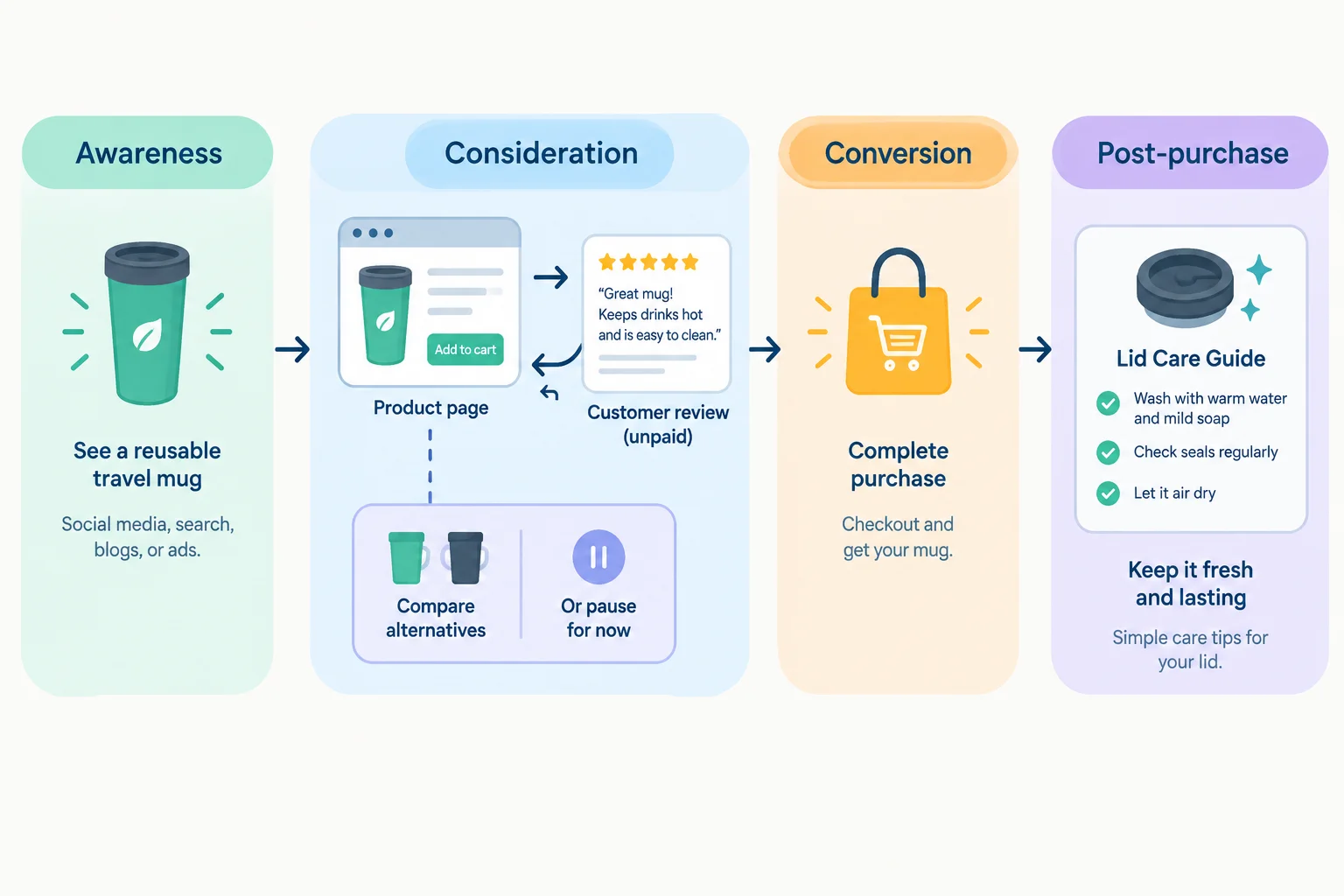
A review followed by a product-page return is one possible route, not a required route for every customer.
Example
Possible TrailCup route:
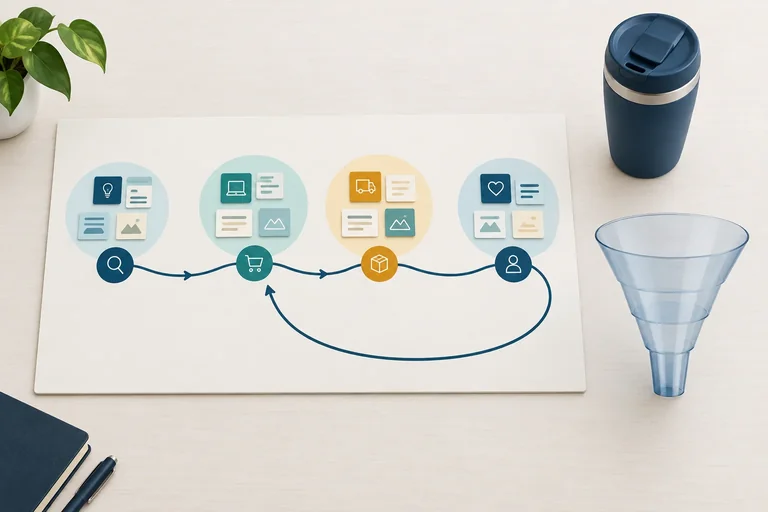
Awareness: notices a need to carry coffee without leaks → Consideration: reads the product page → unpaid customer review ↩ product page → Conversion: completes a first purchase → Post-purchase: uses the lid-care guide.
The arrows show possible transitions. The return symbol, ↩, shows a return visit. A map can organize likely needs without claiming that every individual follows this sequence.
Classify an interaction by what the customer is trying to do at that moment. A touchpoint can serve different purposes at different times.
For example, visiting a product page to check whether the locking lid suits a commute is different from using its purchase option to complete a first order. The channel is the same; the intent differs.
The examples below are Assumptions for classification practice, not verified actions by Alex. A route through touchpoints is useful for understanding needs, but it does not establish that one interaction caused the next.
These hypothetical purposes show why a channel cannot be assigned to one fixed stage.
| Touchpoint | Customer purpose | Stage |
|---|---|---|
| product page | Check whether the lid may leak in a bag | Consideration |
| product page | Use the purchase option to complete a first order | Conversion |
| lid-care guide | Find help after washing the lid | Post-purchase |
True or false: A visit to the product page always means the customer is in Consideration.
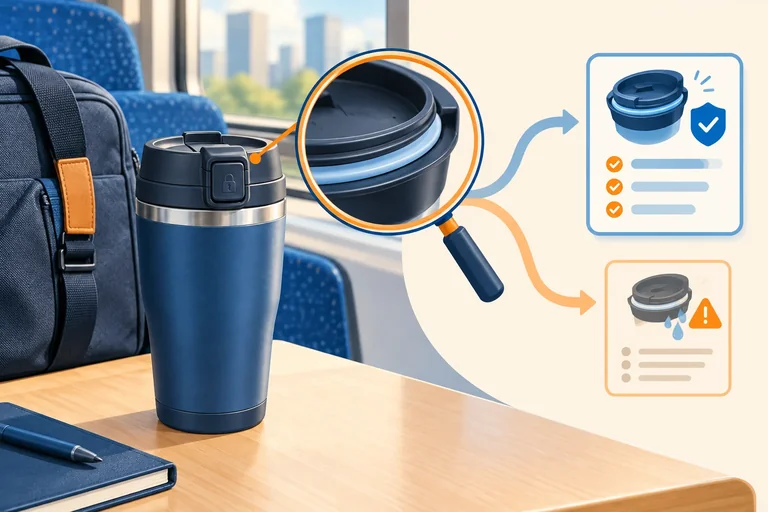
Look back at the branching TrailCup diagram. In 2–4 sentences:
Use Case observation only for supplied facts. Label any proposed action by Alex as an Assumption.
Write at least 120 characters (0/120).
Step 6 of 7
Select a defensible priority barrier and explain why addressing it could help both the customer and the business.
A priority barrier is one worth addressing first—not necessarily the most common barrier. Select it by checking three things:
A barrier is a customer difficulty, uncertainty, or friction. It is not the marketing action you might take in response. For example, “uncertainty about leaks” is a barrier; improving information on a touchpoint is a possible response.
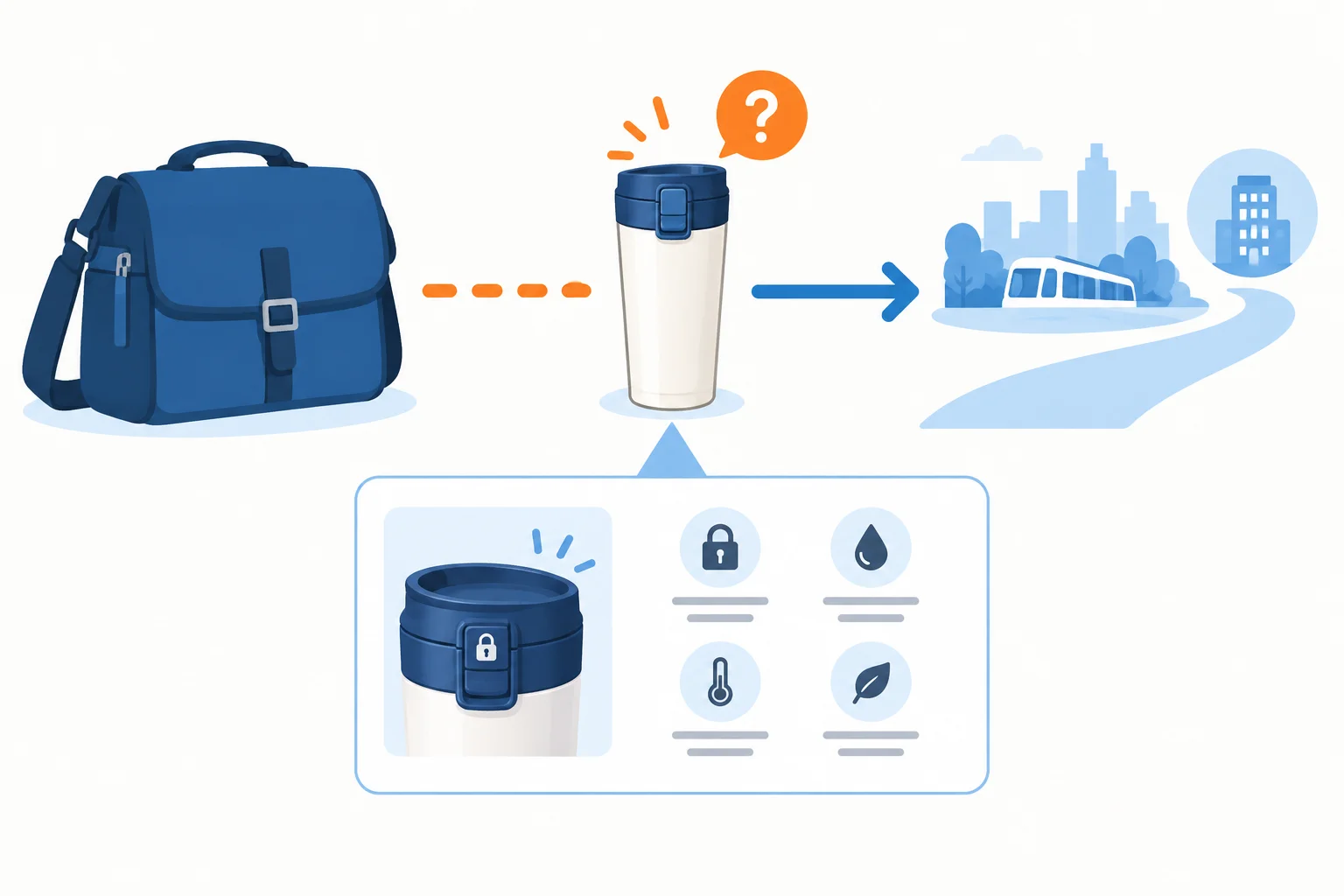
A priority barrier sits between Alex’s goal and progress. A helpful touchpoint can clarify or reduce that barrier.
The supplied observations are useful signals, but they are not a survey and they are not verified history for Alex. Keep what was observed separate from what you infer.
Read each observation as a limited signal. The middle column distinguishes an observation from a proposed explanation.
| Case observation | Careful implication | Do not claim |
|---|---|---|
| Two prospective buyers asked whether the lid leaks inside a bag. | Observed: leak questions occurred. Assumption: this uncertainty could obstruct a first purchase. | That most buyers fear leaks or that leaks are common. |
| One prospect revisited the product page after reading an unpaid customer review. | Observed: a return visit occurred. Assumption: the review may have supported evaluation. | That every customer follows this route or trusts reviews. |
| One customer reported assembling the lid incorrectly after washing. | Observed: one assembly problem was reported. Assumption: product-use friction could reduce value after purchase. | That the lid is generally difficult to assemble. |
Tip
Use cautious language such as may, could, or is worth addressing. Do not turn one or two Case observations into a claim about prevalence, revenue, or guaranteed business results.
Example
A useful rationale separates the customer effect from the possible business effect.
Priority barrier: Uncertainty about whether the lid leaks inside a bag.
Case observation: Two prospective buyers asked whether the lid leaks inside a bag.
Customer consequence: For Alex, unresolved leak uncertainty may make the mug feel unsuitable for a commute.
Helpful touchpoint: The product page can answer fit questions with clear, accurate information about the locking lid and removable seal. It should not make unverified promises.
Possible business consequence: If the uncertainty remains unresolved, it could delay or prevent a first purchase. The case does not show how often this happens or its financial impact.
The response is helpful because it links a barrier to a relevant customer goal, names the supporting observation, and describes a plausible consequence without presenting it as a measured outcome.
Write 3–5 sentences. Choose one barrier from the TrailCup case:
Use one Case observation to support your choice. Explain one likely consequence for the customer and one plausible consequence for the business. Use cautious language; do not claim that the barrier is widespread or that addressing it guarantees a result.
Write at least 180 characters (0/180).
Step 7 of 7
Integrate the TrailCup case into a concise four-stage journey map, add a plausible return visit, and justify one priority barrier.
Bring the earlier decisions together in one compact map for Alex and TrailCup. Write four rows, one for each fixed stage, using this exact field order:
Stage | Customer question | Barrier | Touchpoint | Channel role | Evidence / assumption
Keep each cell short. A customer question is written from Alex’s perspective; a barrier is the uncertainty or friction that could slow progress. A touchpoint is a specific interaction, while the channel role is the job that interaction does for the customer.
Use the map to organize Alex’s needs. Use the funnel beside it to summarize possible business progress toward a first purchase. The widths are schematic, not measured customer counts or conversion rates.
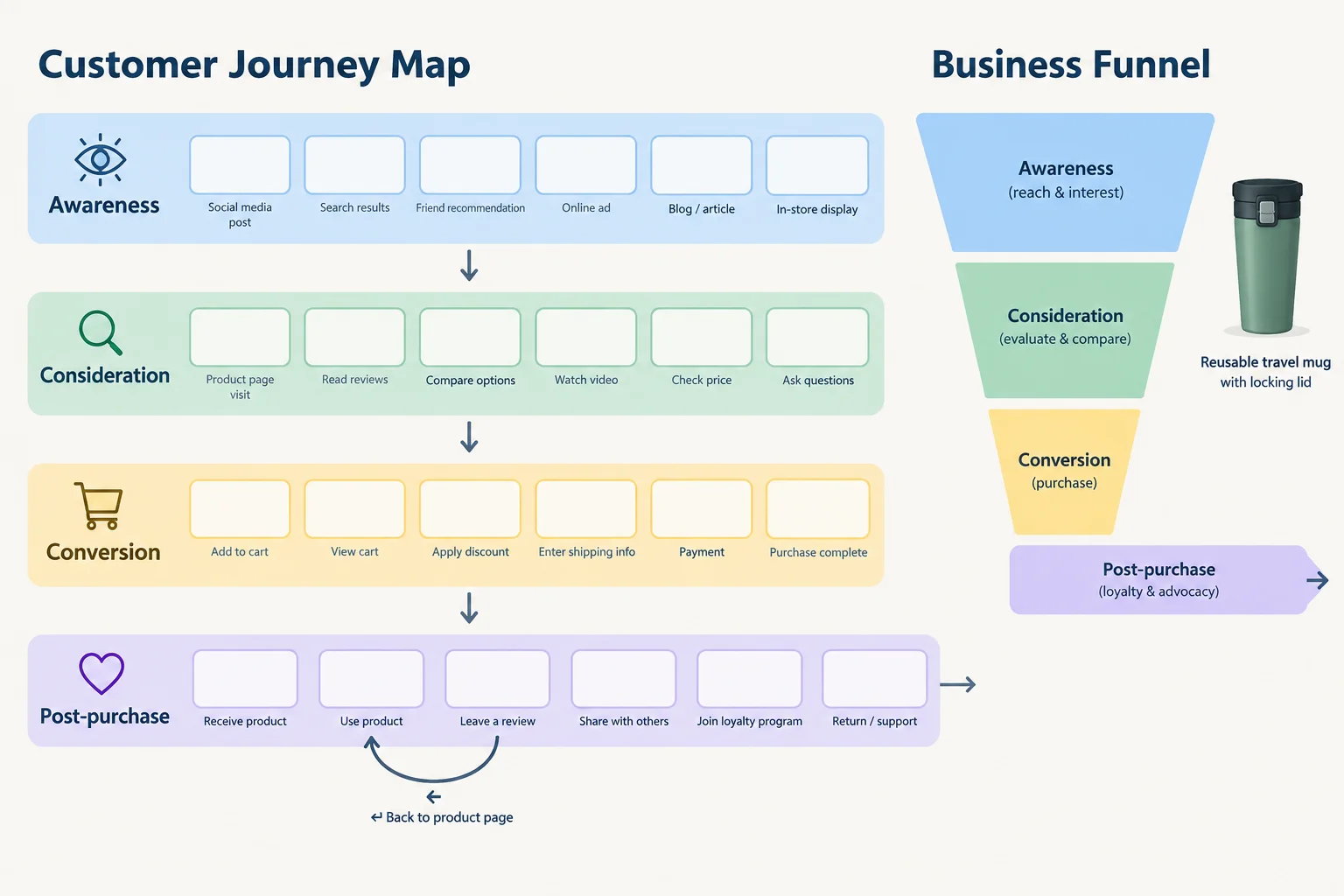
The journey records customer context; the funnel is a simplified business view.
Use the supplied case carefully. Alex wants to carry coffee without leaks and clean the lid easily. The case does not verify that Alex personally had every question in the map.
Known case details: two prospective buyers asked whether the lid leaks inside a bag; one of those prospects revisited the product page after reading an unpaid customer review; one customer reported assembling the lid incorrectly after washing. Label those claims as Case observation. Any explanation about Alex’s thoughts, likely concern, or a touchpoint’s helpful effect is an Assumption.
Use these cues as you draft in personal notes or directly in your final response.
| Field | What it captures | TrailCup writing cue |
|---|---|---|
| Stage | Customer’s current intent | Use only the four fixed stage labels |
| Customer question | What the customer wants to know | Ground it in Alex’s leak-free and easy-clean goal |
| Barrier | Uncertainty, missing information, or friction | Do not describe a proposed solution as the barrier |
| Touchpoint | A specific interaction | Use product page, unpaid customer review, or lid-care guide when useful |
| Channel role | The job the interaction performs | Use a short verb phrase, such as answer fit questions |
| Evidence / assumption | Basis for the claim | Begin each note with Case observation or Assumption |
Before submitting your map, review it against this checklist:
Tip
In your view sentence, contrast the customer’s experience with the business’s simplified view of progress toward a first purchase. Keep Post-purchase as a continuation beyond that purchase-focused funnel.
For the priority barrier, use cautious language: the small set of observations can justify investigating or addressing a concern, but cannot prove how common or financially important it is. The next tutorial will cover objectives and KPIs; do not add metrics to this map.
Summary
Create your final concise TrailCup journey-map response.
First, write four pipe-separated rows in the agreed stage order. Every row must include all six map fields.
Then add three labeled lines:
Use the fixed touchpoint names when relevant, short verb phrases for channel roles, and clear Case observation / Assumption labels.
Write at least 400 characters (0/400).
Congratulations! You completed: Map a Customer Journey and Marketing Funnel
30 XP
Thousands of online courses in video, ebooks and audiobooks.
To test your knowledge during online courses
Generated directly from your cell phone's photo gallery and sent to your email

Download our app via QR Code or the links below:.


Carry knowledge in your pocket.
Download the Cursa app.
There are hundreds of free courses available, with a free certificate of completion that is saved in your mobile image gallery.
Download the app to access the Course Completion Certificate for Free.


+ 10 million
students

Free and Valid
Certificate

60 thousand free
exercises

4.8/5 rating in
app stores

Free courses in
video and ebooks