
Step 1 of 7
Find the Features and the Label
Identify the opening inputs and observed sales outcome in Maple Café's labeled examples.

Learning path · Level 2 · Tutorial 1
Explain how a model learns and then uses patterns, identifying features, labels, and different forms of learning in small everyday examples.
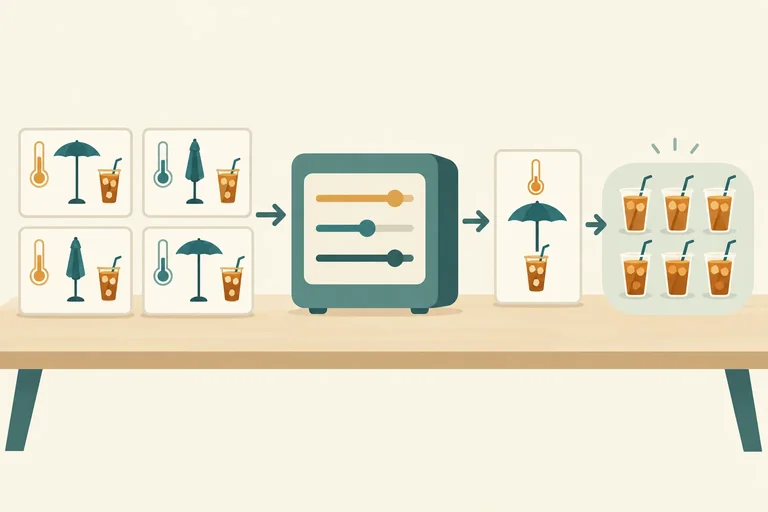
 Find the Features and the Label
Identify the opening inputs and observed sales outcome in Maple Café's labeled examples. 2 min
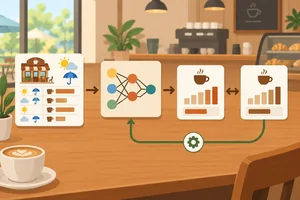 Learn from Labeled Examples
See how supervised learning compares predictions with supplied labels and uses that feedback to adjust a model across repeated examples. 2 min
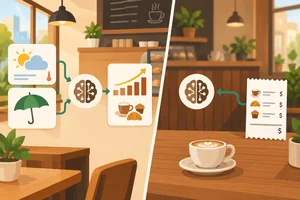 Separate Training from Inference
Distinguish using a trained model from later adjusting it with training data or feedback. 2 min
 Find Structure without Target Labels
Recognize unsupervised learning as a search for structure in café-day features without supplied target labels. 2 min
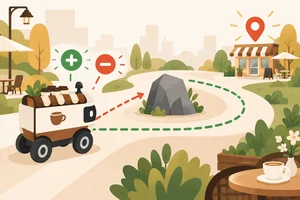 Learn from Actions and Rewards
Learn how reinforcement learning improves action choices through reward feedback, and how this differs from labels and unlabeled structure. 2 min
 A Pattern Is Not Proof of a Cause
Learn why an observed relationship can support a prediction without proving what caused the outcome. 2 min
 Explain a Complete Learning Scenario
Apply the full Maple Café case: identify inputs and outcomes, separate inference from training, compare learning feedback, and avoid causal overclaims. 3 min
Step 1 of 7
Identify the opening inputs and observed sales outcome in Maple Café's labeled examples.
Maple Café wants to estimate the day's Iced drinks sold from information available at opening.
Each row below is one example: one day with recorded opening information and a sales outcome observed later.
The café's four recorded examples
| Forecast high (°C) | Umbrellas | Iced drinks sold |
|---|---|---|
| 16 | Closed | 10 |
| 22 | Closed | 18 |
| 28 | Open | 34 |
| 30 | Open | 38 |
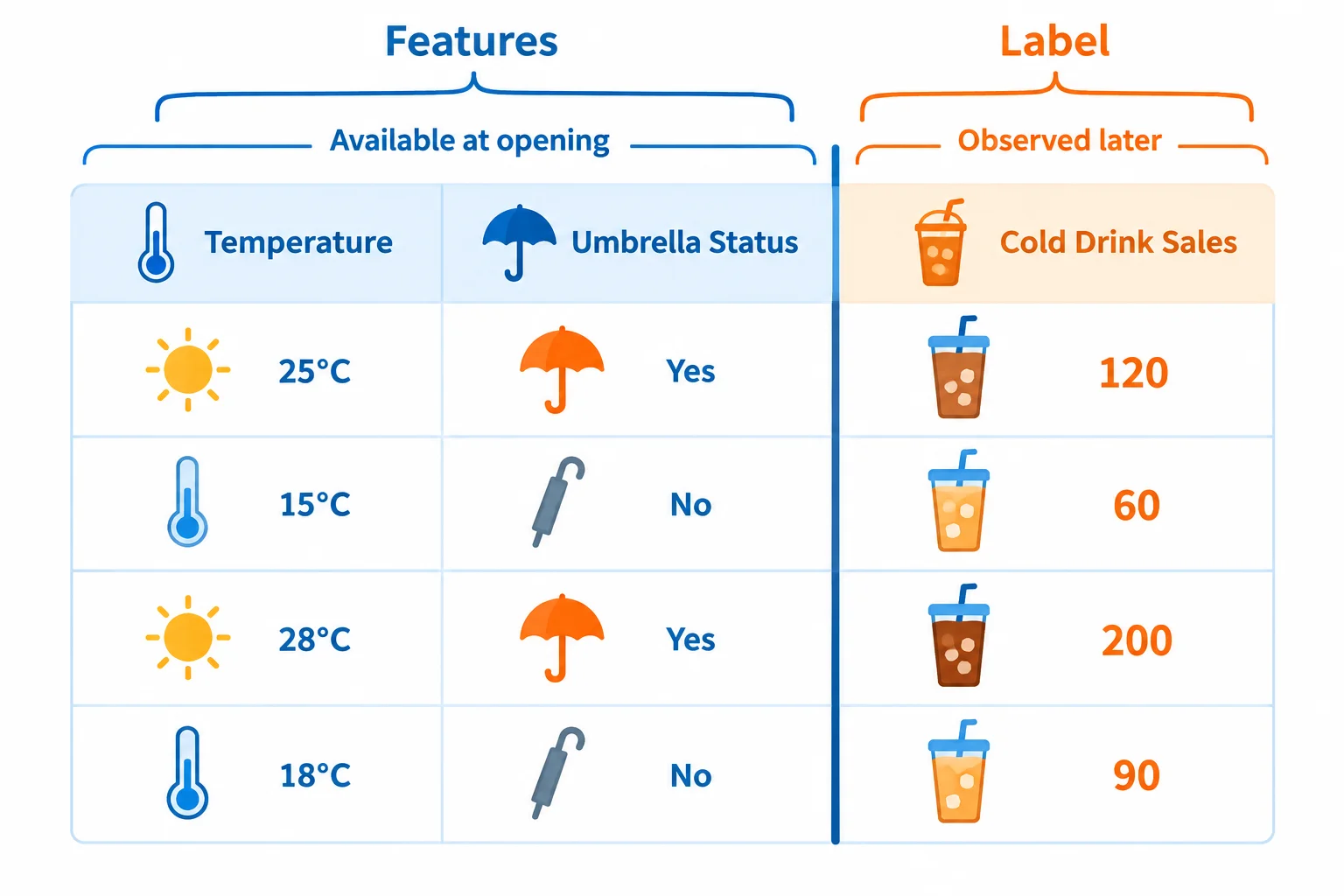
Features are available at opening; the label is the outcome recorded later.
A feature is an input characteristic a model can use. Here, Forecast high (°C) and Umbrellas are features because Maple Café knows them at opening.
A label is the target answer recorded for a labeled example. For this task, Iced drinks sold is the label. A label can be a number: sales counts are labels here, not categories.
Example
Column roles depend on the question being predicted. Because the task is to estimate Iced drinks sold, the two opening columns are features and the observed sales column is the label.
Before the day ends, the sales value is unknown, so it can be written as ?. After sales are recorded, that number becomes the observed label for that day.
Match each table column to its role in Maple Café's prediction task.
Tap an item and then its matching pair.
Step 2 of 7
See how supervised learning compares predictions with supplied labels and uses that feedback to adjust a model across repeated examples.
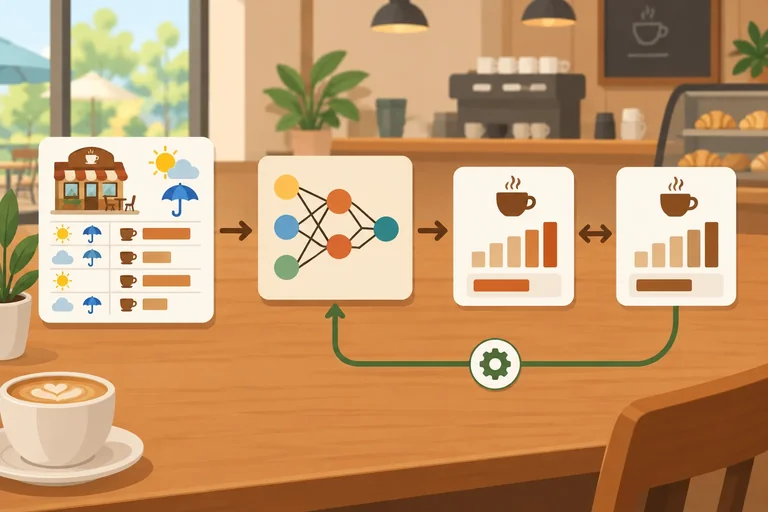
In supervised learning, each example pairs Features with an observed Label. During training, the model uses many such pairs to adjust how it turns inputs into predictions.
For Maple Café, the features available at opening are the forecast high and umbrella status. The label is the number of iced drinks sold later that day.
The label is not a rule written by a person such as “if it is warm, predict this many drinks.” Instead, it gives the model feedback about how close its prediction was for that example.
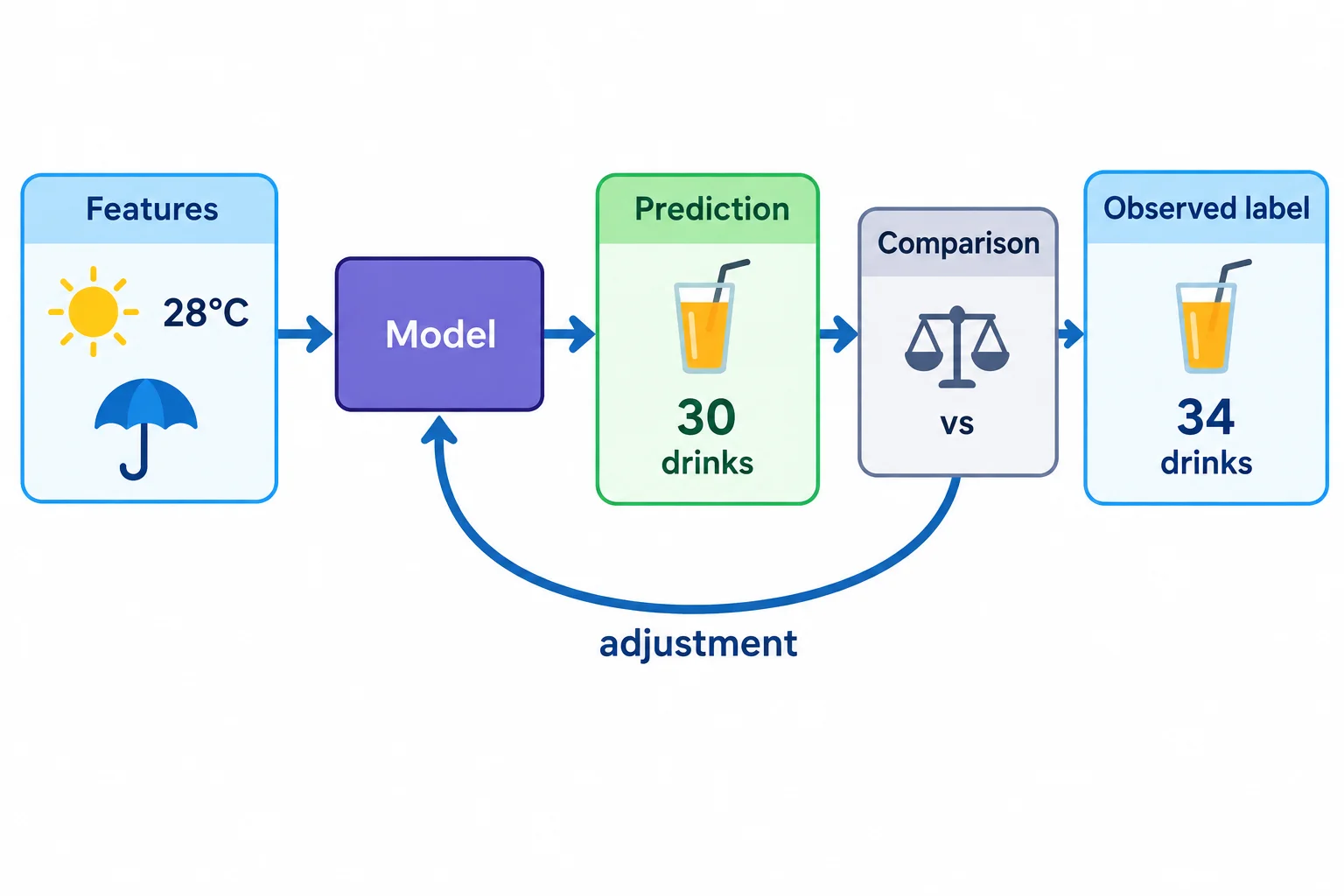
The observed label provides feedback that can guide a model adjustment during training.
Consider one Maple Café row used during training. The model receives the features, produces a prediction, and then its prediction is compared with the supplied label.
This comparison tells the training process that the prediction of 30 drinks did not match the observed result of 34 drinks. The model can then be adjusted so that patterns across examples are reflected better.
A real training process repeats this cycle across many labeled examples. It does not require someone to write a separate prediction rule for every possible combination of weather and umbrella status.
Example
Features
Prediction
30 drinks
Observed label
34 drinks
The observed label is the recorded outcome used for training feedback.
Put the simplified supervised-training cycle in the correct order.
For a Maple Café labeled example, write the four simplified training actions in order. Then add one sentence explaining why the observed label helps adjust the model instead of requiring a person to write a prediction rule for that example.
Write at least 120 characters (0/120).
Step 3 of 7
Distinguish using a trained model from later adjusting it with training data or feedback.
At opening, Maple Café knows the forecast high and whether its umbrellas are open. It does not yet know how many iced drinks will be sold.
When an already trained model takes these features and produces an output, that event is called inference. The unknown label is shown as ? until sales are observed later.
This new day has features at opening, but its sales label is not yet known.
| Forecast high (°C) | Umbrellas | Iced drinks sold |
|---|---|---|
| 27 | Open | ? |
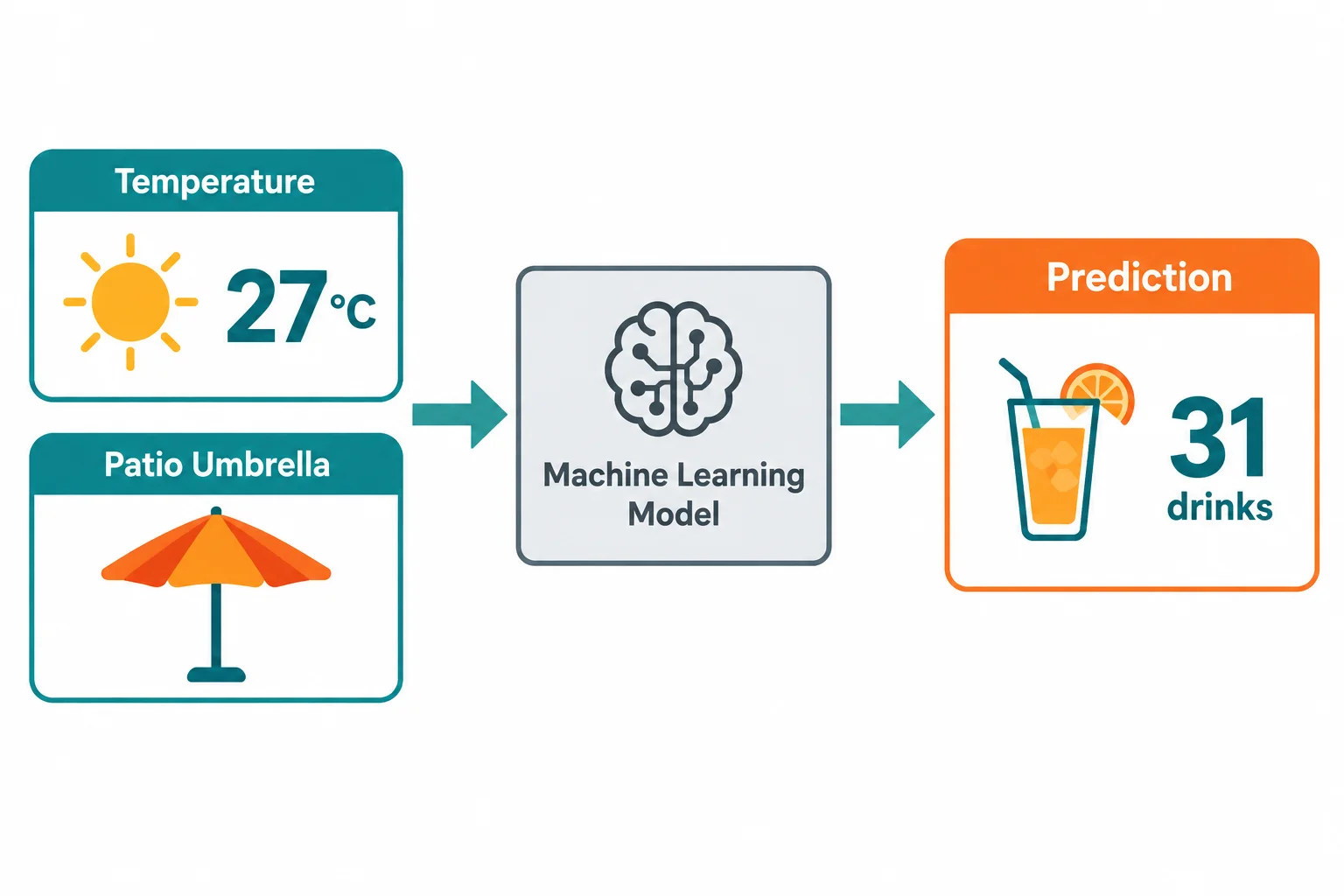
Inference: features → trained model → Prediction: 31 drinks.
For the new day, (27 °C, Open) produces an illustrative Prediction of 31 drinks. Producing that number does not by itself change the model.
Later, Maple Café may record the actual sales as an Observed label. Recording or storing that outcome is also not automatically training. The model changes only if a later training process uses examples or feedback to adjust it.
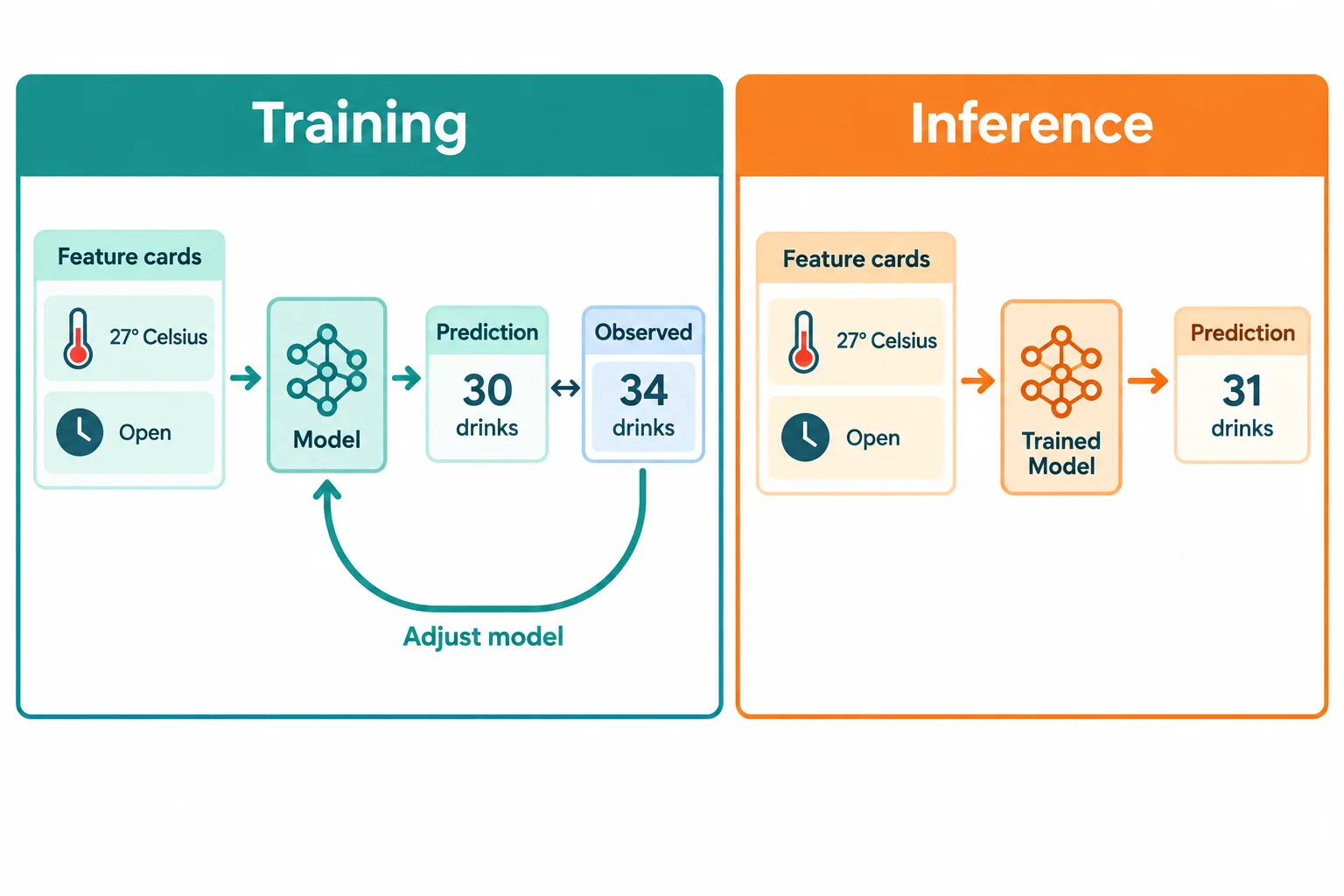
Only the training flow includes feedback used for model adjustment.
Example
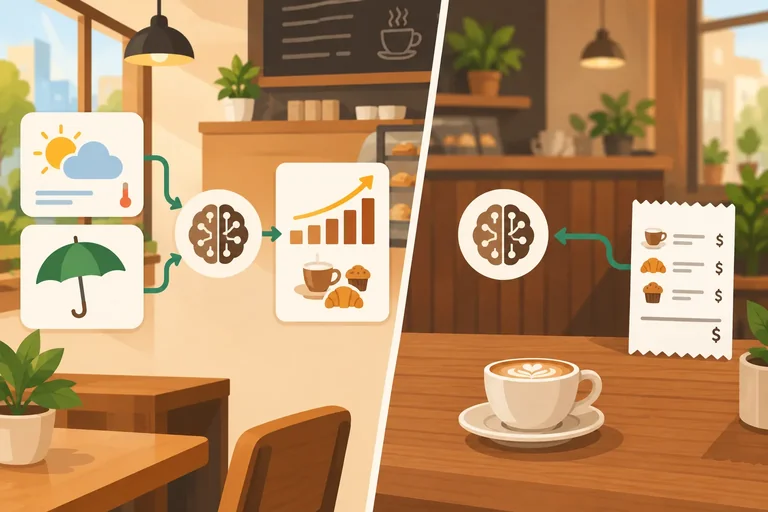
Training example: for a past café day with features (28 °C, Open), the model predicts 30 drinks and the observed label is 34 drinks. In supervised learning, that supplied label can guide an adjustment during training.
Inference example: for the new day (27 °C, Open), the trained model displays Prediction: 31 drinks. No observed label is available at that moment, and no adjustment happens merely because the prediction was made.
Maple Café has already trained a model. Which description correctly classifies the events?

Step 4 of 7
Recognize unsupervised learning as a search for structure in café-day features without supplied target labels.
In unsupervised learning, a model looks for structure in data without supplied target labels.
At Maple Café, imagine that we provide only the opening-time features from past days: the forecast high and umbrella status. There is no Iced drinks sold column for the model to learn from. It can still look for days that seem similar.
These historical café days contain only the two features. Sales outcomes are deliberately not included.
| Forecast high (°C) | Umbrellas |
|---|---|
| 16 | Closed |
| 22 | Closed |
| 28 | Open |
| 30 | Open |
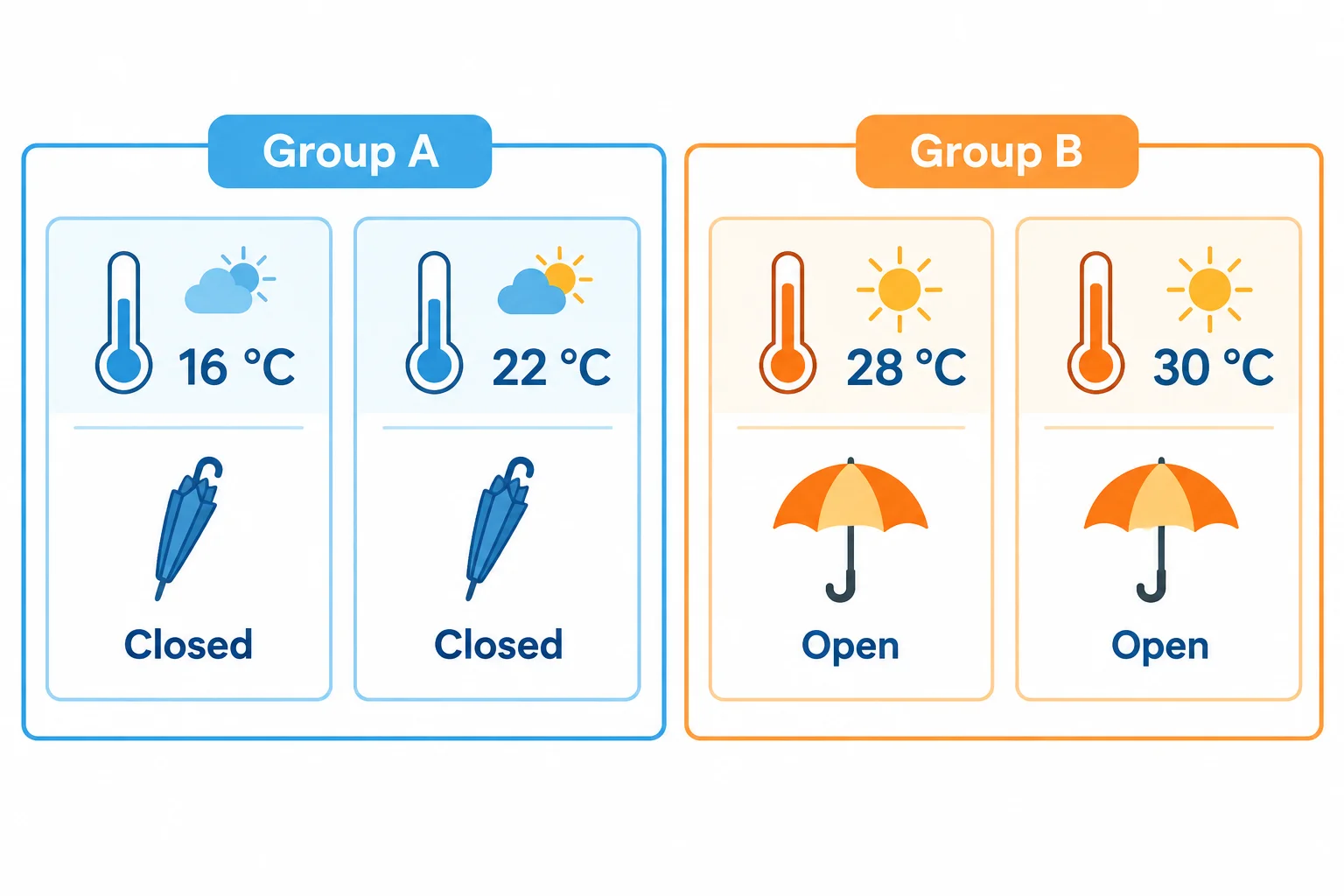
The model can group feature patterns even when no target sales answers are supplied.
One possible unsupervised task is grouping similar café days. In this illustration, the cooler days with closed umbrellas are called Group A, while the warmer days with open umbrellas are called Group B.
The names are identifiers for the structure found in these records. They are not correct answers supplied before learning, and they do not mean “low sales” or “high sales.”
Example
Illustrative interpretation:
This grouping does not prove that there are two natural kinds of café days. It also does not automatically predict how many iced drinks Maple Café will sell. A grouping can be useful for exploring patterns, but it is not the same task as predicting a sales label.
Do not classify a learning setup only by whether a label is missing at one moment.
A supervised model can receive a new café day at opening, before its sales outcome is known. Applying the already trained model to those features is inference. Its unknown outcome does not change the earlier labeled training into unsupervised learning.
The key question is: during learning, were target labels supplied?
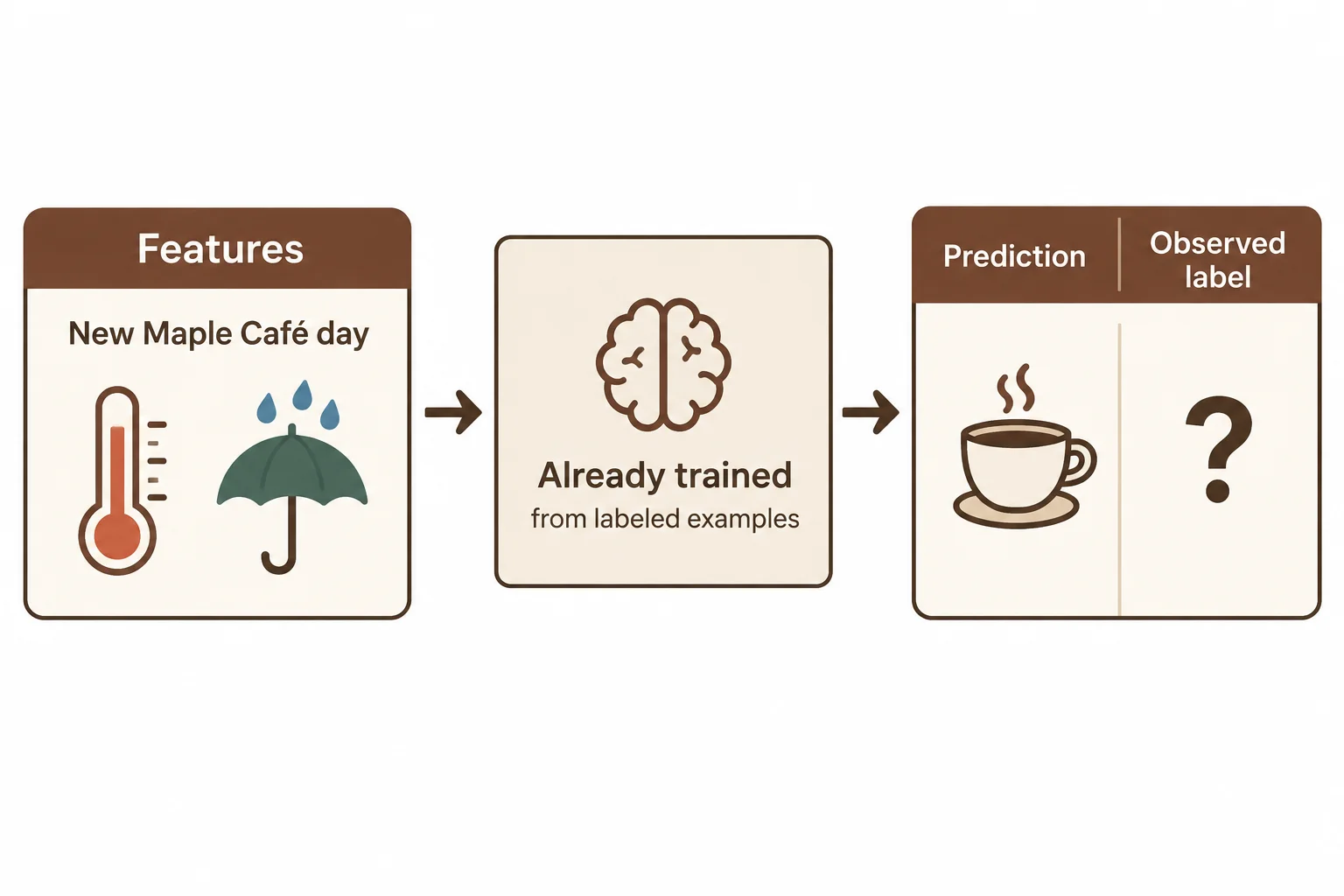
At prediction time, an unknown observed label reflects timing. It does not determine whether the model learned through supervised or unsupervised learning.
Which situation is an example of unsupervised learning at Maple Café?
Step 5 of 7
Learn how reinforcement learning improves action choices through reward feedback, and how this differs from labels and unlabeled structure.
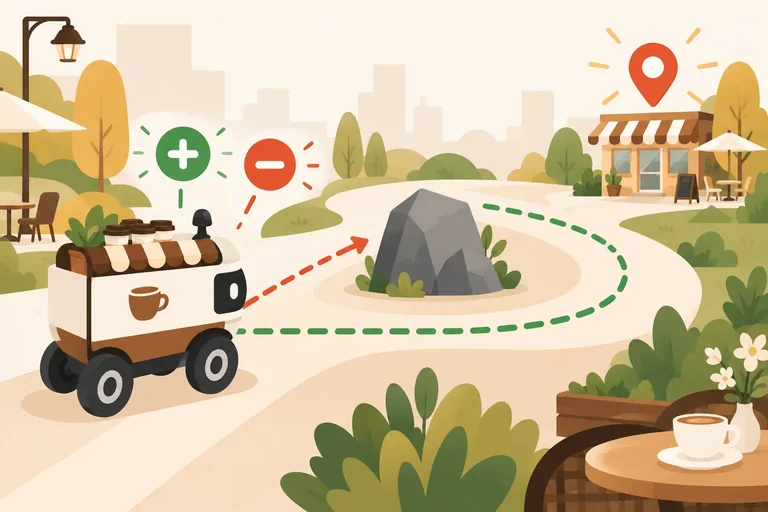
In reinforcement learning, a model takes actions in an environment and receives a reward connected to the consequences of those actions.
At Maple Café, imagine a virtual delivery cart. The cart chooses a move, its situation changes, and it receives feedback. Across many attempts, training can adjust the model toward choices that lead to more desirable results.
A reward is not a supplied correct answer for one row of data. It signals how well a result fits a goal.
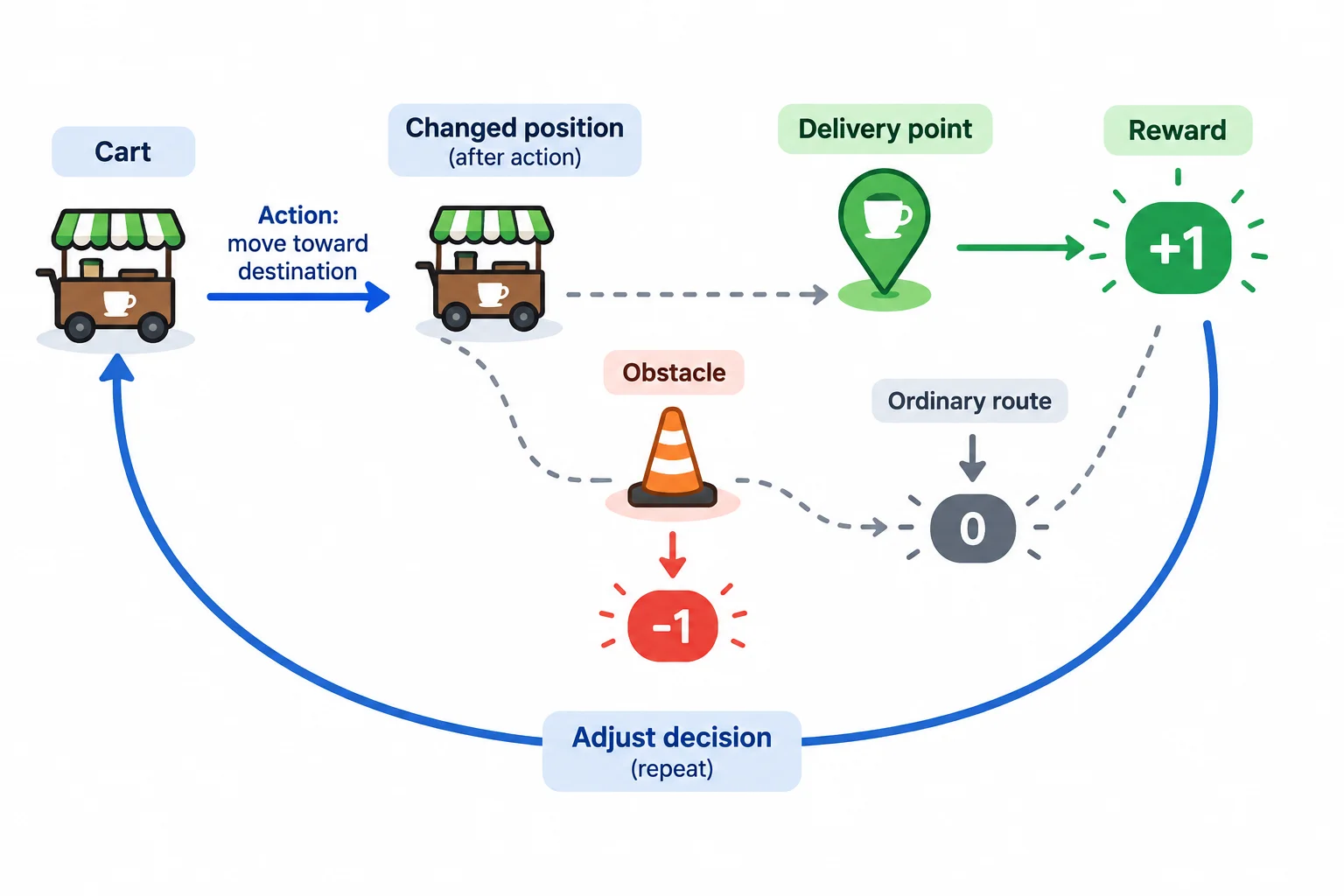
The cart acts, the environment changes, and reward feedback can guide later adjustment.
Consider one attempt by the virtual cart:
Another move might hit an Obstacle and receive -1. A move with neither outcome receives 0. Over repeated attempts, the aim is to improve action choices over time.
Sometimes the useful reward comes only after several actions. The reward still evaluates the consequence under the goal; it does not point to one correct action for every situation.
Example
Suppose the cart makes several moves around an obstacle before reaching the delivery point. The useful signal may be the later +1, rather than a label saying which individual move was “correct.” Training uses the reward experience to adjust future choices over repeated attempts.
Tip
Do not confuse a reward with a label. A label gives a target answer for an example, such as observed iced-drink sales. A reward says how desirable a consequence was for a goal, such as completing a delivery.
These learning setups differ mainly in what information guides learning.
| Learning setup | What is available | What learning uses |
|---|---|---|
| Supervised learning | Features and supplied labels | Labels guide adjustment |
| Unsupervised learning | Features without target labels | Structure or similarities |
| Reinforcement learning | Actions, consequences, and rewards | Rewards guide action choices |
Match each setup to the learning type and the information available for learning.
Tap an item and then its matching pair.

Step 6 of 7
Learn why an observed relationship can support a prediction without proving what caused the outcome.
Maple Café’s records show a pattern: days with umbrellas Open also had higher recorded iced-drink sales than the days with umbrellas Closed.
That relationship can be useful for prediction. A model can learn that these values occurred together in past examples.
But “occurred together” is not the same as “one caused the other.” The four records alone do not show that opening umbrellas causes more iced-drink sales.
Tip
Keep two questions separate:
The café table can suggest an answer to the first question. By itself, it cannot settle the second.
A third factor can offer another explanation. In this example, warmer weather could make Maple Café more likely to open umbrellas and could also increase demand for iced drinks.
This is a plausible explanation, not something proved by the small table. Other explanations may also be possible.
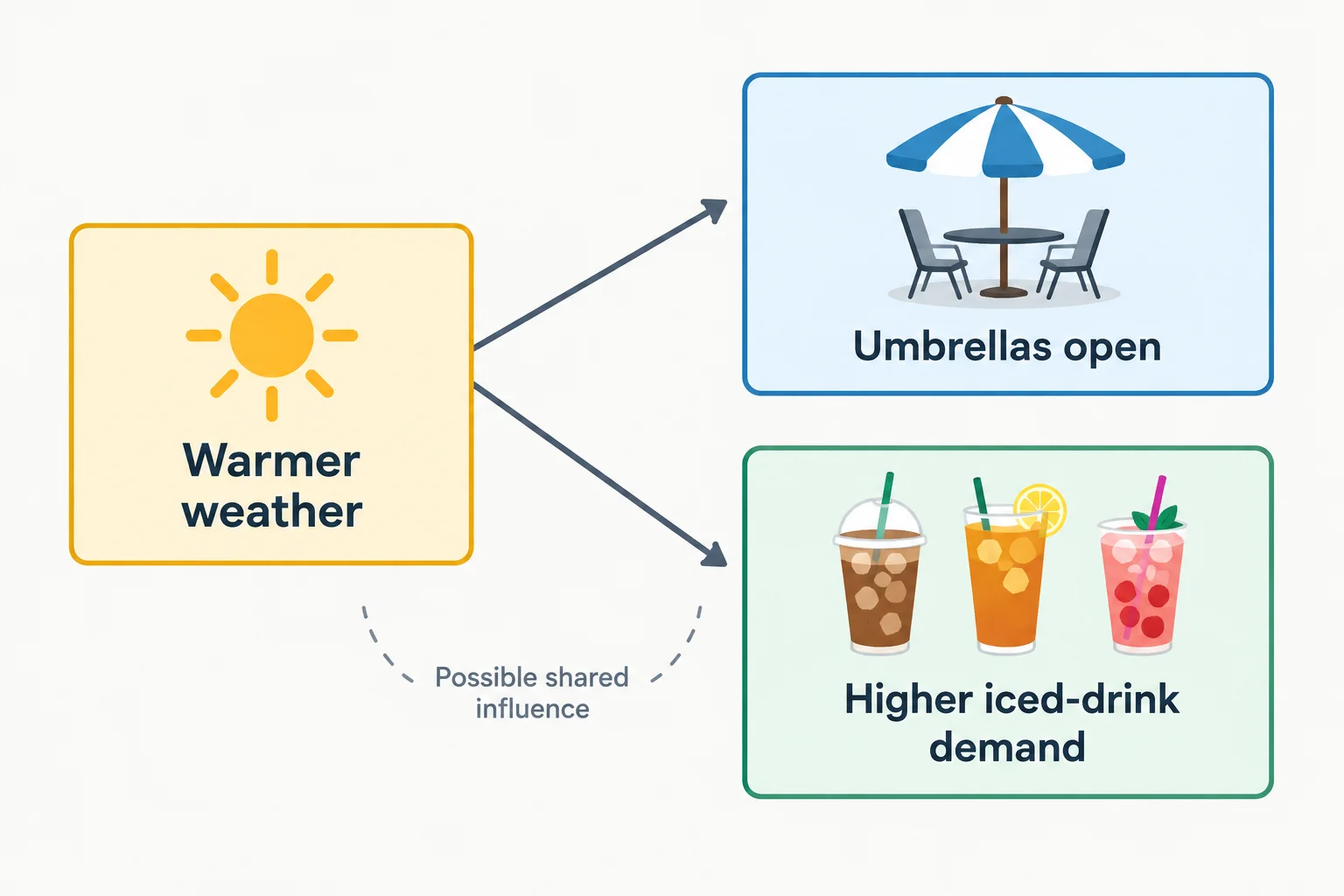
A possible shared influence: warmer weather could affect both umbrella status and iced-drink demand.
A model prediction answers a question such as: “Given inputs like these, what sales value is likely?” It uses patterns it learned from records.
It does not answer this different question: “What would happen if Maple Café deliberately changed only umbrella status while everything else stayed the same?” A prediction alone cannot establish that result.
Example
The statement “umbrellas Open is linked with higher recorded sales” describes an observed pattern.
The statement “opening umbrellas increases sales” claims a cause. Treat that stronger claim cautiously unless there is additional evidence beyond these records.
Rewrite this unsupported claim as a cautious statement about an observed pattern, then name one plausible alternative explanation:
“Opening umbrellas causes more iced-drink sales.”
Write at least 80 characters (0/80).

Step 7 of 7
Apply the full Maple Café case: identify inputs and outcomes, separate inference from training, compare learning feedback, and avoid causal overclaims.
Maple Café opens on a new day with these features: a forecast high of 24 °C and umbrellas Closed. At that moment, sales have not happened yet, so the label is unknown.
Prediction
22 drinks
Later, the café records what happened.
Observed label
20 drinks
All values in this case are illustrative. Recording the outcome creates a completed labeled example, but it does not automatically change the model.
The same day can be shown before and after the outcome is known.
| Forecast high (°C) | Umbrellas | Iced drinks sold |
|---|---|---|
| 24 | Closed | ? |
| 24 | Closed | 20 |
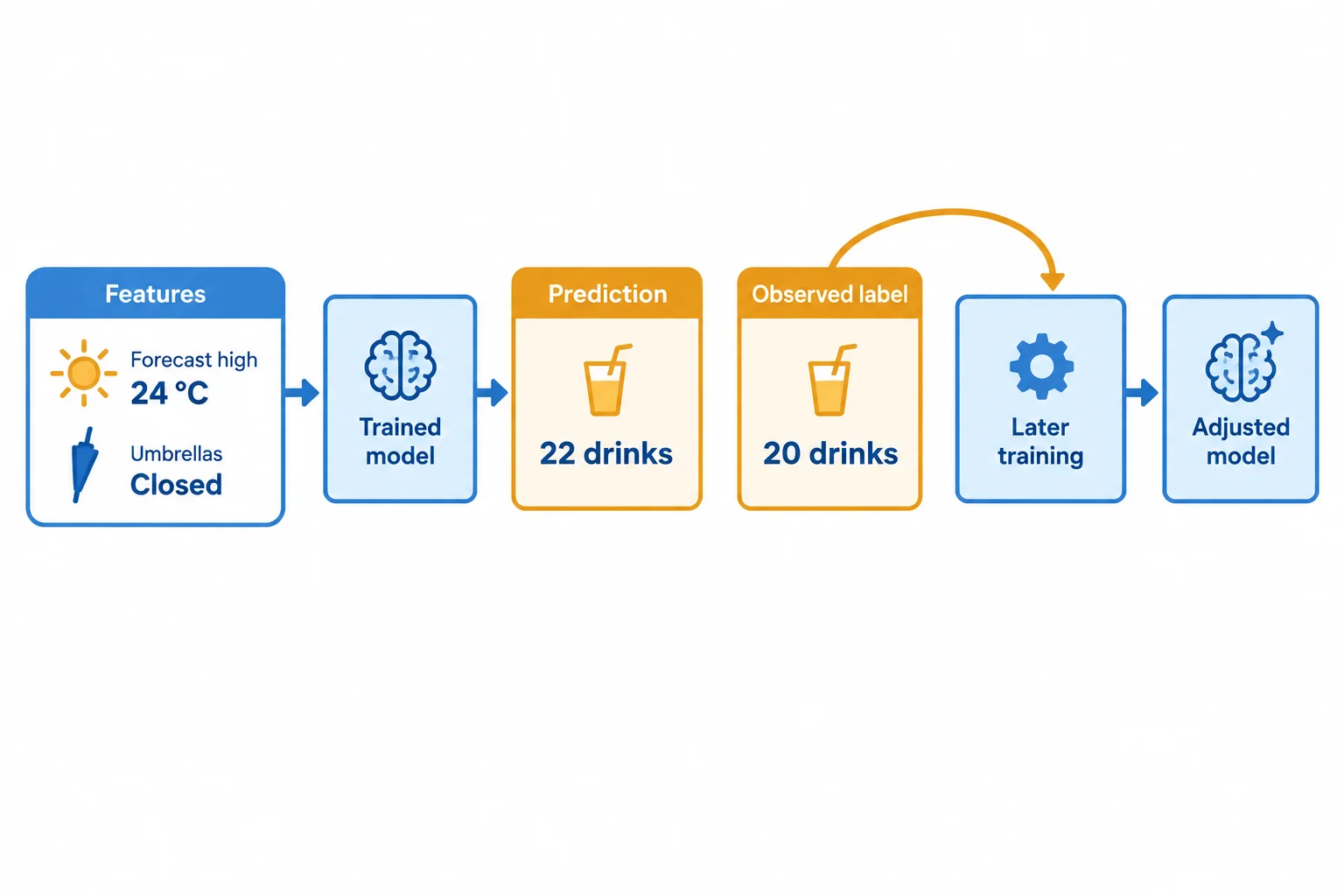
Inference produces the prediction. Outcome collection records what happened. A separate later training event can use the completed example to adjust the model.
Tip
A complete learning story separates these roles: inference applies a trained model to features; outcome collection records a later label; training is the separate process that uses examples or feedback to adjust a model. A prediction can be useful without proving why the outcome occurred.
Match each Maple Café setup to the feedback available for learning.
Tap an item and then its matching pair.
Which sequence correctly describes the final Maple Café day?
Using the final Maple Café case, write 4–6 sentences. Identify the two features and the observed label. Distinguish the prediction event, outcome collection, and later model adjustment. Then state the feedback available in supervised learning, unsupervised learning, and reinforcement learning. Finally, explain why the sales prediction cannot prove that opening umbrellas affects iced-drink sales.
Write at least 280 characters (0/280).
Congratulations! You completed: How Models Learn from Data
Thousands of online courses in video, ebooks and audiobooks.
To test your knowledge during online courses
Generated directly from your cell phone's photo gallery and sent to your email

Download our app via QR Code or the links below:.


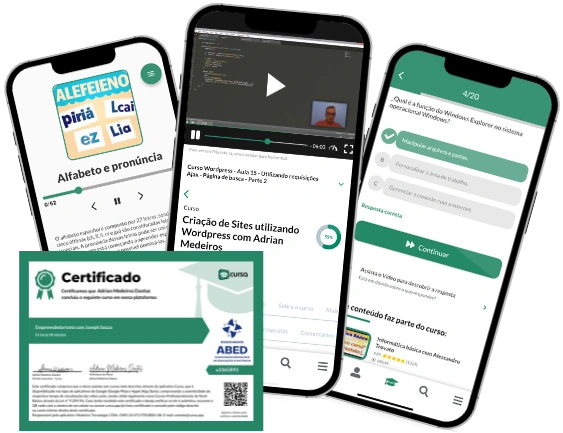
Carry knowledge in your pocket.
Download the Cursa app.
There are hundreds of free courses available, with a free certificate of completion that is saved in your mobile image gallery.
Download the app to access the Course Completion Certificate for Free.


+ 10 million
students

Free and Valid
Certificate

60 thousand free
exercises

4.8/5 rating in
app stores

Free courses in
video and ebooks