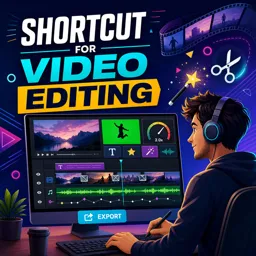
If you’re searching for a free, user-friendly tool to start editing videos, Shortcut might be just what you need. This open-source editor is designed to make video editing accessible to everyone, whether you’re working on a personal vlog, school project, or creative art video.</p>
What Is Shortcut?
Shortcut is a cross-platform video editor available for Windows, Mac, and Linux. It offers a wide range of features typically found in professional software, including timeline-based editing, support for numerous video formats, and a collection of effects and transitions.
Key Features
- Wide Format Support: Import and edit videos, images, and audio files of various formats without needing to convert them beforehand.
- Simple Timeline Interface: Drag and drop clips into a timeline to arrange your video story with ease.
- Video Effects and Transitions: Add filters, special effects, and sleek transitions to enhance the look and feel of your videos.
- Audio Editing: Adjust volume, add background music, and apply audio effects to give your videos professional sound.
- Export Options: Output your finished video in various qualities and sizes, ready for sharing online or saving on your device.
Basic Workflow in Shortcut
- Import Your Files: Load your video, images, and audio into the project panel.
- Add to Timeline: Drag your clips onto the timeline to start building your sequence.
- Edit and Enhance: Cut, trim, and move clips; add effects or text overlays.
- Add Transitions: Smoothly join different scenes or clips with transitions.
- Export Your Video: Choose your desired export settings and render your final video.
Why Choose Shortcut?
Shortcut balances power with simplicity, making it suitable for beginners and intermediate editors. There’s no steep learning curve, yet you have access to many tools used in more advanced editors. Plus, being open-source means it’s completely free and supported by a committed community.
Expanding Your Skills
As you get comfortable with Shortcut, explore tutorials and experiment with different effects, filters, and editing workflows to create more complex projects. With practice, you’ll be able to produce videos that reflect your personal style and vision.
Conclusion: Start Editing With Confidence
Shortcut offers everything a beginner needs to step into the world of video editing. With its intuitive tools, helpful community, and powerful features, it’s never been easier to bring your video ideas to life.