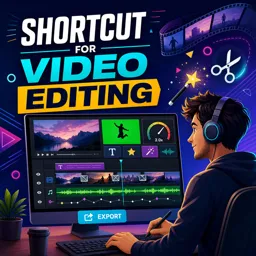
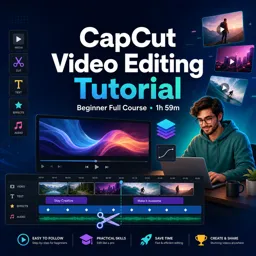
As collaborative video projects become increasingly popular in creative fields, learning how to manage teamwork using Shortcut can drastically streamline your video editing workflow. Whether you’re working with classmates, colleagues, or remote partners, Shortcut offers features and strategies that help you stay organized and efficient when editing videos as a team. In this article, we’ll explore practical tips and best practices for navigating collaborative projects in Shortcut.</p>
1. Organizing Your Project Files
Successful collaboration begins with a well-organized project structure. When starting a team project in Shortcut, ensure all assets—video clips, audio files, and images—are stored in a shared, accessible location, such as cloud storage. Use a consistent folder structure and standardized file naming conventions. This reduces confusion and prevents missing media issues when sharing project files among team members.
2. Sharing Project Files
Shortcut project files (.mlt) reference media from your computer. Make sure every team member has access to the same asset files and paths. If possible, use relative file paths and maintain identical folder structures on all editors’ systems. After each editing session, share and sync the latest project file and media assets with the team to ensure everyone works with the most up-to-date version.
3. Version Control Practices
To avoid overwriting each other’s work, establish a version control process. This can be as simple as numbering project files sequentially (e.g., project_v1.mlt, project_v2.mlt), or using date and editor initials (project_JD_20230618.mlt). For larger teams or more advanced users, consider using version control software like Git along with cloud storage solutions.
4. Assigning Roles and Responsibilities
Define clear roles for each team member—such as content editing, audio mixing, or motion graphics. Assign specific segments or scenes to each editor to minimize file conflicts and maximize productivity. Use checklists or task management tools to track progress and responsibilities throughout the editing process.
5. Communication and Feedback
Regular communication is key to successful collaboration. Set up group chats or project management boards to discuss editing decisions, share feedback, and address issues. When reviewing progress, provide constructive feedback and use Shortcut’s markers to highlight areas that need attention or revision.
6. Exporting and Finalizing the Project
Once all edits are complete, merge the segments and review the entire project for consistency. When satisfied with the final cut, export the video using Shortcut’s export settings. Make sure to agree on resolution, format, and target platforms so everyone’s expectations are aligned.
Conclusion: Edit Together, Succeed Together
Collaboration in video editing presents unique challenges, but with proper organization, clear version control, and effective communication, Shortcut can be a powerful tool for team-based creative projects. Start applying these strategies in your next collaborative video project to achieve seamless and successful results!