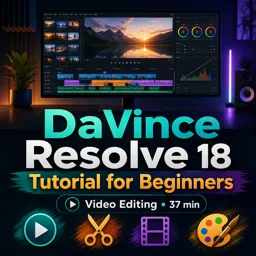
DaVinci Resolve isn’t just a powerhouse for video editing and color grading; it’s also a robust tool for audio post-production. Whether you’re finishing a cinematic short, working on YouTube content, or crafting a documentary, mastering audio in DaVinci Resolve can elevate your projects to a new level of professionalism and engagement.
Why Focus on Audio Post-Production?
While visuals grab attention, audio is what carries the emotion, clarity, and impact of your story. High-quality sound design, clear dialogue, and well-balanced music make your video shine—often more than flashy edits.
Getting Started with Fairlight
The Fairlight page in DaVinci Resolve is dedicated to audio editing and mixing. Here’s how to make the most of it:
- Import and Organize Audio: Arrange your dialogue, music, and sound effects on separate tracks for clarity.
- Basic Editing: Cut, trim, and reposition clips on the timeline just as you would in the video edit page.
- Automation: Create volume and effect automation to ensure smooth transitions and dynamics.
Essential Audio Tools and Effects
DaVinci Resolve offers a suite of audio tools for post-production:
- Equalization (EQ): Shape the tonal quality of dialogue and music for clarity and balance.
- Compression: Control the dynamic range, making quiet parts audible and reducing peaks.
- Noise Reduction: Remove unwanted background sounds for a clean mix.
- Reverb and Ambience: Add depth and sense of space to your audio tracks.
- Panning: Create an immersive stereo soundscape by placing sounds in the left or right channels.
Tips for a Polished Mix
- Listen on Multiple Devices: Check your mix with headphones, speakers, and mobile devices to ensure consistency.
- Use Markers and Notes: Annotate your timeline to keep track of changes or issues that need review.
- Reference Professional Mixes: Compare your audio to finished projects in your genre for guidance.
- Monitor Levels: Make sure no tracks are distorting by keeping volume meters in the green and yellow range.
- Export with Care: When finished, use DaVinci Resolve’s export settings to ensure optimal quality for your delivery platform.
Bringing It All Together
Audio post-production in DaVinci Resolve is a creative process that can dramatically improve the impact of your video projects. With practice and attention to detail, you can use Fairlight’s tools to craft mixes that are immersive, clear, and emotionally compelling. Explore, experiment, and let your story be heard as well as seen.