Introduction
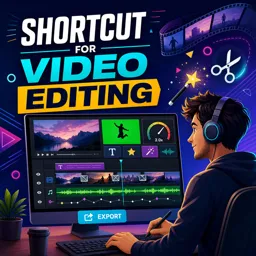
Shortcut is a free and open-source video editor that empowers creators to produce professional-quality videos without a steep learning curve. While it’s user-friendly for beginners, Shortcut also offers robust features for more advanced users. This article explores intermediate and advanced editing techniques to help you elevate your video projects using Shortcut.
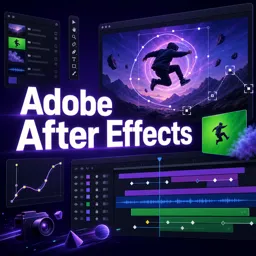
Utilizing the Timeline: Multi-Track Editing
Shortcut’s timeline supports unlimited video and audio tracks. To create more dynamic video content:
- Stack multiple video clips to create overlays or picture-in-picture effects.
- Sync audio tracks with video for background music, voiceovers, or sound effects.
- Use the split and trim tools to precisely cut clips and layer them on the timeline.
Keyframe Animations
Animation brings visual interest to your videos. With keyframes in Shortcut, you can animate properties like position, opacity, scale, and rotation:
- Add keyframes to video clips for smooth transitions between scenes.
- Create custom animations—such as text moving across the screen or images fading in/out.
- Combine keyframed effects for more complex sequences.
Applying Video Effects and Filters
Shortcut offers a vast library of video effects and filters. To enhance your visual storytelling:
- Add color grading filters to achieve a consistent look across your project.
- Use blur, sharpen, or chroma key (green screen) effects for creative visuals.
- Stack multiple filters for custom effects, and adjust them using keyframes for dynamic changes.
Advanced Audio Editing
Sound is half the experience in any video. With Shortcut’s audio capabilities, you can:
- Add fade-ins and fade-outs to music tracks for smooth transitions.
- Use audio filter plugins (like EQ and compressor) for clearer dialogue and fuller sound.
- Detach and edit audio tracks independently for greater flexibility.
Exporting with the Right Settings
The final step is exporting your masterpiece. Shortcut provides flexible options for rendering video:
- Choose from presets for popular platforms (YouTube, Vimeo, etc.) or customize your own output format.
- Adjust bitrate and resolution for the best balance between quality and file size.
- Export selected regions for quick previews before rendering the entire project.
Conclusion: Mastering Shortcut for Professional Video Editing
Shortcut’s advanced features give you the tools to create polished, professional video projects. By mastering the timeline, keyframes, effects, audio, and export settings, you can significantly increase the quality and creativity of your videos. Explore these techniques and let your storytelling shine!