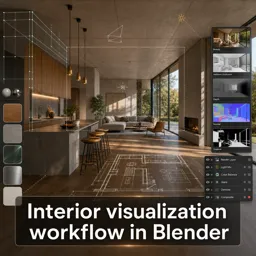
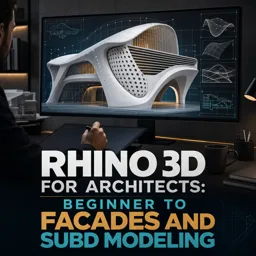
Introduction to Architectural Design Tools
Whether you are an aspiring architect, a seasoned professional, or someone interested in the structural aesthetics of buildings, understanding the intricacies of architectural design is paramount. The evolution of design tools has transformed the industry, making processes more efficient and designs more innovative. We provide free courses to explore some of these essential tools, including AutoCAD, SketchUp, 3ds Max, Vray, and Revit.
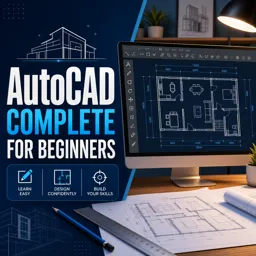
AutoCAD: The Blueprint of Design
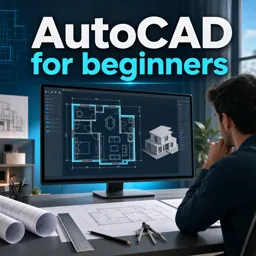
As one of the staple tools in architectural design, AutoCAD offers precision in drafting and designing architectural projects. Its vast array of features allows you to craft detailed plans and ensure dimensional accuracy.
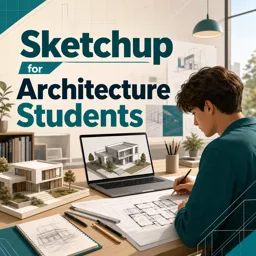
SketchUp: Visualization for Creativity
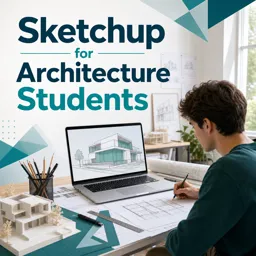
SketchUp is renowned for its intuitive approach to creating and visualizing three-dimensional spaces. This tool is particularly useful for architects looking to bring their ideas to life with straightforward modeling techniques and a user-friendly interface.
3ds Max: Bringing Details to Life
For those interested in creating visually stunning renderings and animations, 3ds Max is an indispensable tool. It offers robust capabilities for photorealistic rendering and complex animations, crucial for architects who want to portray their designs in rich detail.
Vray: Enhancing Realism in Renderings
Vray, often used in conjunction with 3ds Max, provides advanced rendering options to achieve highly realistic visuals. Its suite of lighting and texturing options enables architects to depict designs in life-like scenarios.
Revit: Integrated Design and Documentation
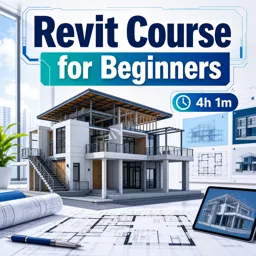
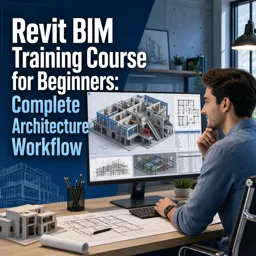
Revit stands out for its capability to integrate design and documentation within a single environment. This tool is particularly favored for its Building Information Modeling (BIM) features, which make it indispensable for large-scale architectural projects.
Conclusion
Integrating these powerful tools into your architectural projects enhances your capability to design with precision, creativity, and innovation. These free courses not only offer a gateway to mastering these tools but also ensure that you stay ahead in the fast-evolving world of architectural design.