Great physiotherapy outcomes rarely come from “one-size-fits-all” exercise lists. They come from clinical reasoning: the structured way you collect information, form hypotheses, test them, and build a treatment plan that makes sense for the person in front of you. Whether you’re reviewing the spine, a shoulder, or an ankle, the skill that separates routine care from excellent care is the ability to connect assessment findings to decisions.
This article breaks down practical clinical reasoning frameworks you can apply while studying, practicing in lab sessions, or learning through video lessons. You’ll also find ways to organize your learning across key regions—spine, knee, hip, shoulder, and ankle—using structured assessment and progression logic.
1) Start with the “why”: What problem are you solving?
A physiotherapy session begins before any special test. You’re clarifying what the person wants to get back to (work tasks, sport drills, sleeping comfortably, walking tolerance) and what’s currently limiting them. Translating complaints into functional goals gives your reasoning direction and helps you choose the most relevant measures.
Try a simple goal format:
“I want to do X for Y minutes without Z symptoms.”
2) Build a hypothesis from patterns, not single findings
Clinical reasoning improves when you stop chasing isolated positives (“this test hurt”) and instead look for patterns: symptom behavior, aggravating/easing factors, day-to-day variability, and how movement changes symptoms.
Pattern recognition helps identify whether the main limiter is:
- Mobility
- Motor control
- Tissue capacity
- Sensitivity
- Load management

3) Use a simple reasoning framework: Hypothesis → Test → Retest
A reliable method for students and clinicians:
- Hypothesis: What is limiting function?
- Test: What can confirm or refute it?
- Intervention: Apply one targeted change
- Retest: Reassess the same marker
Retesting ensures your intervention actually works and avoids random, unfocused sessions.
4) Prioritize red flags, then identify the main driver
Always screen for red flags first. Once safety is established, identify the main driver among multiple contributors (mobility, strength, fear, load errors).
Key question:
“If I change only one thing today, what improves function the most?”
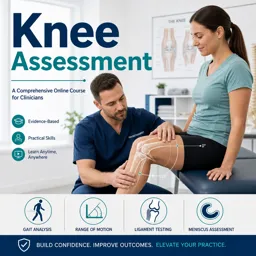
5) Regional organization: Make assessment predictable
Use a consistent structure across joints:
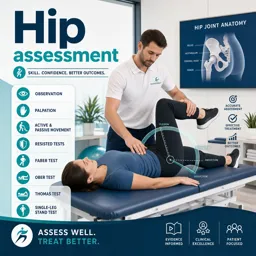
- Observation: posture, swelling, asymmetry
- Active movement: pain, range, quality
- Passive movement: stiffness vs pain
- Resisted testing: strength and control
- Functional task: squat, gait, step-down
- Special tests: only if necessary
Explore structured learning:
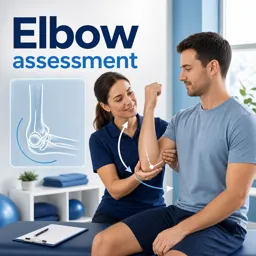
https://cursa.app/free-online-courses/joint-assessment
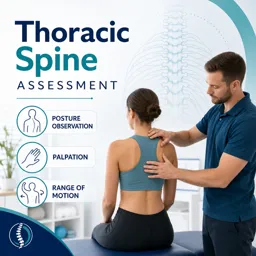
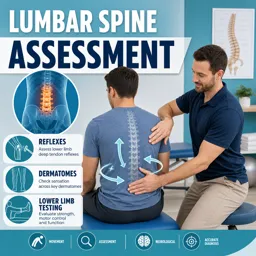
https://cursa.app/free-online-courses/spine-assessment
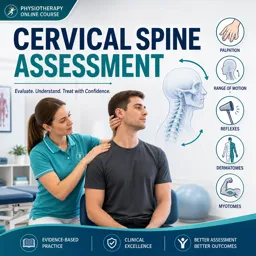
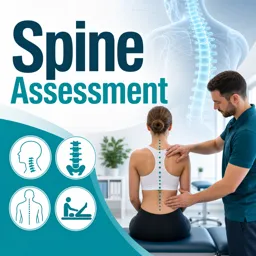
6) Clinical reasoning for the spine
Start by categorizing patterns:
- Mechanical
- Load-related
- Sensitivity-dominant
- Motor control
This reduces guesswork and guides targeted interventions.
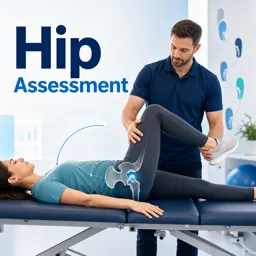
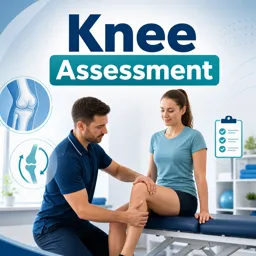
7) For shoulder, hip, knee, ankle: think “capacity + control + context”
- Capacity: strength and endurance
- Control: coordination and positioning
- Context: workload, sport, lifestyle
This model simplifies decision-making across all joints.
8) Choose interventions that match the hypothesis
- Mobility issues: ROM work + control
- Strength deficits: progressive loading
- Motor control: skill-based training
- Load issues: adjust volume/intensity
- Education: pain understanding and confidence
Recommended learning paths:
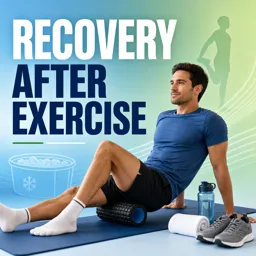
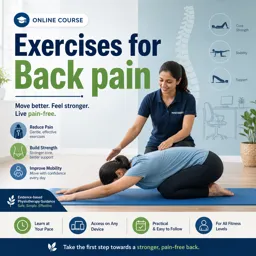
https://cursa.app/free-online-courses/exercise-recovery
https://cursa.app/free-online-courses/physiotherapy
9) Measure something meaningful
Choose 1–3 outcome markers:
- Pain-free repetitions
- Movement tolerance
- Balance time
- Functional task performance
Reassess regularly and adapt the plan accordingly.
10) Common reasoning mistakes
- Too many tests: only test what informs decisions
- Pain location bias: consider contributing regions
- Poor progression control: adjust volume, intensity, frequency, range

11) Build a learning path that makes reasoning automatic
Suggested progression:
- Assessment structure
- Hypothesis building
- Regional learning
- Performance/sport application
Explore more:
https://cursa.app/free-online-health-courses
https://cursa.app/free-courses-health-online
https://cursa.app/free-online-courses/sports-injuries
Conclusion: Reasoning is the real skill
Techniques matter—but choosing the right one at the right time matters more. With structured assessment, clear hypotheses, and consistent retesting, your treatment plans become more effective, confident, and adaptable.
Keep asking:
“What finding actually changes my plan?”