You cut your calories drastically, the weight comes off fast for a couple of weeks, and then… nothing. The scale stalls, you feel constantly tired and hungry, and eventually the pounds creep back, sometimes with a few extra along for the ride. This frustrating pattern has a name: metabolic adaptation. Understanding how it works is the key to losing weight in a way that actually lasts.
What Is Metabolism, Really?
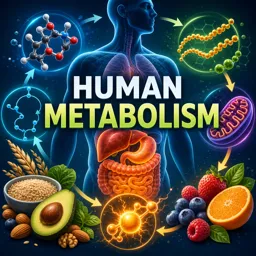
Your metabolism is simply the sum of all the chemical processes your body uses to convert food into energy. That energy powers everything from breathing and digesting to thinking and exercising. The rate at which your body burns energy at complete rest, just to keep your heart beating and your organs working, is called your basal metabolic rate (BMR). This single number makes up the largest share of the calories most people burn in a day.
Total daily energy expenditure adds three more pieces on top of BMR: the energy used to digest food, the energy used in planned exercise, and the energy used in everyday movement like fidgeting, walking, and standing. All four pieces combined determine how many calories you burn in a typical day.
What Happens When You Slash Calories
When you suddenly eat far fewer calories than your body is used to, your body does not simply keep burning energy at the same rate while quietly running a deficit. Instead, it reacts as though it were facing a food shortage, because as far as your biology is concerned, that is exactly what is happening. This reaction is often called adaptive thermogenesis, and it shows up in several ways:
- Lower resting energy burn: Your BMR itself drops, sometimes by more than the weight loss alone would predict.
- Reduced spontaneous movement: You unconsciously fidget less, take shorter steps, and feel a stronger pull toward sitting still.
- Hormonal shifts: Hunger hormones like ghrelin rise, while hormones that signal fullness, such as leptin, fall. This is one reason severe dieting so often leads to intense, hard-to-ignore hunger.
- Lower body temperature and energy levels: Many people on very low-calorie diets report feeling cold and sluggish, a direct sign the body is conserving fuel.
In short, your body treats a large, sudden calorie deficit as an emergency and pulls multiple levers at once to defend its energy stores.
Why This Made Sense for Our Ancestors
This response is not a design flaw. For most of human history, food scarcity was a real and recurring threat, and bodies that could slow their energy use during lean periods were more likely to survive until food became available again. The problem is that this same survival mechanism, so useful during a genuine famine, works against modern dieters who are intentionally restricting calories to lose fat rather than to survive starvation.
Crash Diets vs. Gradual Approaches
The table below summarizes how an aggressive, very low-calorie crash diet tends to compare with a more moderate, gradual approach to the same amount of weight loss.
| Factor | Crash Diet (very low calories) | Gradual Approach (moderate deficit) |
|---|---|---|
| Initial weight loss speed | Fast, often several pounds in week one | Slower, steadier week to week |
| Metabolic slowdown | Significant and rapid | Minimal to moderate |
| Muscle loss risk | Higher, since the body may break down muscle for energy | Lower, especially when paired with protein intake and strength training |
| Hunger and cravings | Intense and hard to sustain | Manageable for most people |
| Long-term adherence | Difficult, high dropout rate | More sustainable as a lasting habit |
| Typical outcome after a year | Frequent weight regain, sometimes above starting weight | Better weight maintenance over time |
The Weight Regain Trap
Here is where crash dieting becomes particularly frustrating. Once someone finishes a crash diet and returns to normal eating, their metabolism does not immediately snap back to where it was before. The suppressed BMR and the elevated hunger hormones can persist for a while, sometimes months. This mismatch, eating like before but burning less energy than before, creates the perfect condition for rapid weight regain. Some research even suggests that repeated cycles of crash dieting and regain, sometimes called “yo-yo dieting,” can make each subsequent attempt at weight loss a bit harder than the last.
The goal is not just to lose weight quickly, but to lose it in a way your body does not immediately fight to reverse.
How to Lose Weight Without Triggering the Backfire
The good news is that metabolic adaptation is a matter of degree. A smaller, more moderate calorie deficit produces a much smaller adaptive response than a severe one. Consider these practical strategies:
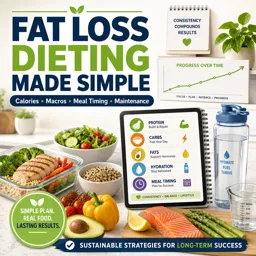
- Aim for a moderate deficit. A reduction of roughly 15 to 25 percent below your maintenance calories is generally easier to sustain and provokes less metabolic pushback than cutting calories in half.
- Prioritize protein. Adequate protein intake helps preserve muscle mass during weight loss, and muscle tissue is metabolically active, meaning it helps keep your resting burn rate higher.
- Keep strength training in the mix. Resistance exercise signals your body to hold onto muscle even while you are in a calorie deficit.
- Take diet breaks. Periodically eating at maintenance calories for a week or two during a longer weight-loss journey can help ease hunger hormones and may reduce the depth of metabolic adaptation.
- Prioritize sleep and stress management. Poor sleep and chronic stress both interfere with the hormones that regulate hunger and energy balance, making an already hard process even harder.
- Track trends, not daily numbers. Body weight fluctuates daily due to water retention and digestion. Looking at weekly averages gives a clearer, less discouraging picture of progress.
Listening to the Signals
Persistent fatigue, constant hunger, irritability, disrupted sleep, and a stalled scale despite strict adherence are all signs that a diet may be too aggressive. Rather than pushing harder in response, the smarter move is often to ease the deficit slightly and give the body room to adjust. Sustainable fat loss is rarely a straight line, and patience tends to outperform intensity over the long run.
Understanding how your metabolism responds to calorie restriction turns weight loss from a frustrating guessing game into a process you can actually work with instead of against. If you want to go deeper into how the body regulates energy, hormones, and healthy habits, exploring some of the free courses on nutrition available on Cursa is a great next step.