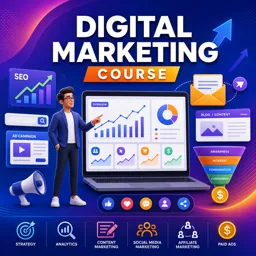
The marketing funnel is a visual representation of the journey potential customers take from first learning about your brand to making a purchase. In digital marketing, understanding and optimizing each stage of the funnel is essential for successful customer acquisition and retention.
Stages of the Marketing Funnel
- Awareness: Potential customers first become aware of your brand through channels like social media, search engines, or content marketing.
- Interest: Prospects engage with your content, sign up for newsletters, or follow your brand online.
- Consideration: Users evaluate your product or service compared to others, reading reviews, downloading resources, or attending webinars.
- Intent: Prospects show intent by adding items to a shopping cart, requesting a demo, or seeking more information.
- Purchase: The lead becomes a customer by completing the purchase process.
- Loyalty: After purchase, focus shifts to customer satisfaction and encouraging repeat business through loyalty programs and ongoing engagement.
Optimizing Each Stage Digitally
Each stage of the funnel benefits from targeted digital marketing tactics:
- Content Marketing: Drives awareness with blog posts, social content, and videos.
- Email Marketing: Engages interested users with newsletters and personalized offers.
- Paid Advertising: Reaches targeted audiences and retargets visitors in the consideration and intent stages.
- Conversion Optimization: Enhances the purchase process with user-friendly websites and clear calls-to-action.
- Customer Relationship Management (CRM): Tracks interactions and supports customer loyalty.
Why the Funnel Matters in Business Administration
Mastering the marketing funnel helps business administrators make strategic decisions, allocate resources efficiently, and measure the effectiveness of digital campaigns. Understanding customer progression allows businesses to optimize marketing spend and improve overall results.
Conclusion
Implementing and refining the marketing funnel is a foundational skill in digital marketing. By tailoring strategies at each stage, you can drive engagement, convert more leads, and foster lasting customer loyalty—ultimately supporting your business’s growth and success online.