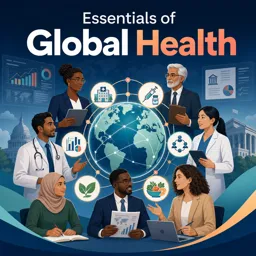
Global health is more than a scientific or medical field—it is deeply intertwined with political and administrative systems that shape resource allocation, international collaboration, and corporate participation in health initiatives. In business administration, political structures are crucial in determining how organizations engage in and contribute to global health goals.
THE EMERGENCE OF PUBLIC-PRIVATE PARTNERSHIPS
Public-private partnerships (PPPs) represent a powerful model for addressing global health challenges. By combining the resources and expertise of:
- Government agencies
- International organizations
- Private enterprises
PPPs deliver health solutions on a scale that single entities cannot achieve. For business administrators, these collaborations provide opportunities to influence public policy, optimize resource distribution, and drive innovation in global health.
POLITICAL DYNAMICS IN GLOBAL HEALTH ADMINISTRATION
The political environment plays a key role in the success and longevity of global health initiatives. Factors that impact PPPs include:
- Legal and economic frameworks that enable or restrict business involvement in healthcare
- Policy stability and regulatory transparency
- Cross-border cooperation among governments and institutions
A supportive political landscape ensures that partnerships are effective, sustainable, and aligned with public health strategies.
CORPORATE INVOLVEMENT AND ETHICAL GOVERNANCE
Business administrators must navigate complex ethical and political environments. Considerations include:
- Accountability and transparency requirements dictated by governments
- Equitable access to health resources
- Alignment of health interventions with corporate goals and political expectations
Strong governance structures help businesses support, rather than hinder, both global and local health outcomes.
THE FUTURE OF GLOBAL HEALTH GOVERNANCE IN BUSINESS
As global health challenges evolve—from pandemics to chronic diseases—the role of political leadership and strategic business administration becomes increasingly critical. Future leaders should:
- Foster stronger collaboration between public and private sectors
- Innovate governance models for health initiatives
- Advocate for equitable health solutions as part of sustainable business practices
Understanding global health governance through a political lens equips business administrators to navigate complexities, champion ethical interventions, and contribute meaningfully to global well-being.