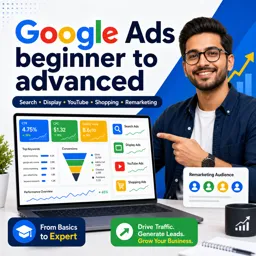
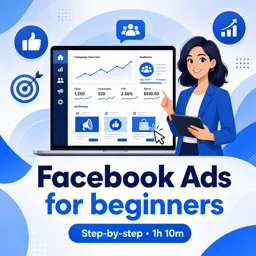
Paid traffic is a powerful way to drive visitors to your website by investing in advertisements across various online platforms. Unlike organic traffic, which arrives naturally, paid traffic results from ads you purchase on sites like Google, Facebook, and Instagram.
Types of Paid Traffic Channels
- Search Engine Advertising: Ads on search engines like Google Ads or Bing Ads that appear in search results.
- Social Media Ads: Sponsored posts or banners on platforms such as Facebook, Instagram, LinkedIn, and Twitter.
- Display Advertising: Visual banner or image ads placed on websites and apps within advertising networks.
- Video Ads: Ads that play before, during, or after videos on platforms like YouTube.
- Native Advertising: Ads designed to blend in with the content surrounding them for a less intrusive experience.
Benefits of Paid Traffic
- Immediate Results: Quickly generate visitors and leads once campaigns launch.
- Scalability: Easily adjust your ad budget to increase or decrease traffic volume.
- Targeting Options: Reach specific audiences based on demographics, interests, location, and behavior.
- Measurable Impact: Track clicks, impressions, and conversions to optimize campaigns continuously.
How to Get Started with Paid Traffic
- Define Your Goal: Determine if you want website visits, leads, or sales to guide your strategy and budget.
- Choose the Right Platform: Pick an advertising channel where your target audience is active.
- Create Compelling Ads: Use engaging visuals and persuasive copy to attract clicks.
- Set a Budget: Decide your daily or monthly spending limits to manage costs.
- Measure and Optimize: Use analytics tools to track performance and refine your campaigns for better results.
Common Mistakes to Avoid
- Neglecting audience targeting and running overly broad campaigns.
- Failing to track conversions or set up analytics properly.
- Using generic ad copy that doesn’t connect with your audience.
- Not testing different ads or landing pages.
- Launching campaigns without ongoing monitoring and optimization.
Conclusion
Paid traffic is an effective way to boost your online presence and grow your business. By understanding the channels, benefits, and common pitfalls, you can create targeted campaigns that deliver measurable results. Plan carefully, monitor performance, and adjust your strategies to maximize your marketing investment.