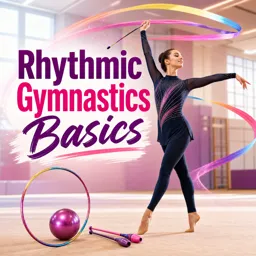
Gymnastics is a visually stunning sport where athletes seem to defy gravity through leaps, flips, and spins. Yet behind every high-flying maneuver lies a deep connection to physics and biomechanics. Understanding these scientific principles can enhance skill development, improve safety, and elevate performance.
Understanding the Role of Science in Gymnastics
Scientific knowledge underpins gymnastics, helping athletes optimize movement, prevent injury, and refine their techniques. Physics and body mechanics provide insight into how gymnasts generate force, rotate efficiently, and maintain balance during complex routines.
The Basics of Body Mechanics
- Gymnasts develop proprioception, or body awareness, to control muscles and limbs precisely.
- Mastery of posture, balance, and movement efficiency allows for graceful and accurate execution of routines.
Physics at Play: Momentum, Rotation, and Gravity
- Momentum: Speed and technique generate the force needed for vaults, swings, and aerial maneuvers, maximizing height and distance.
- Torque and Rotation: Tight tucks increase rotational speed due to conservation of angular momentum, enabling multiple flips and twists.
- Managing Gravity: Controlled landings require proper bending of knees and hips to absorb and disperse impact forces safely.
The Importance of Practice and Skill Mastery
- Repetition builds muscle memory, allowing gymnasts to perform movements automatically and confidently under pressure.
- Continuous practice refines timing, spatial awareness, and overall performance precision.
Safety and Injury Prevention
- Studying body mechanics informs safe landing techniques and reduces stress on joints.
- Equipment such as spring-loaded floors and padded mats, combined with well-designed training regimens, further protect athletes from injury.
Conclusion
Gymnastics is both an art to watch and a science to master. By understanding the physics and biomechanics behind each skill, gymnasts can refine techniques, push performance boundaries, and enjoy a longer, safer athletic career.