Hockey is a fast-paced, competitive sport that demands agility, strength, and teamwork. Whether you’re a beginner or an experienced player, refining your skills and implementing key strategies can make a significant difference on the ice or field. Here are the top strategies to elevate your hockey game.
1. Strengthening Your Skating Skills
Skating is the foundation of hockey, especially in ice hockey. Enhancing your speed, balance, and agility allows you to stay ahead of opponents. Practice drills that improve acceleration, stopping, and backward skating to gain full control on the ice.
2. Mastering Stickhandling and Passing
Effective stickhandling helps you maneuver around defenders and maintain possession of the puck or ball. Focus on soft hands and quick, precise movements. Accurate passing and receiving, both forehand and backhand, are essential for strong teamwork and executing successful plays.
3. Developing Tactical Awareness
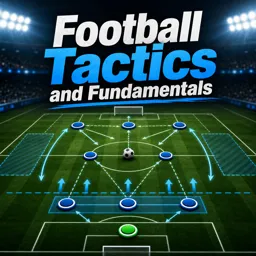
Understanding game tactics is crucial. Learn to read plays, anticipate opponents’ moves, and position yourself strategically. Study common formations and defensive structures, and seek feedback from coaches to refine your tactical knowledge.
4. Enhancing Physical Fitness and Endurance
Peak physical condition is vital for high-level hockey performance. Focus on core strength, cardiovascular endurance, and flexibility. Incorporate off-ice or off-field workouts like interval training and plyometrics to prepare for high-intensity action and quick shifts.
5. Communication and Teamwork
Successful hockey teams thrive on effective communication. Develop clear signals, communicate actively on and off the rink or field, and build trust among teammates. Strong teamwork ensures smooth defensive transitions and more coordinated attacks.
Conclusion
Improving at hockey requires consistent practice, strategic learning, and a dedication to teamwork. By focusing on these key strategies, players at any level can boost performance, contribute effectively to their team, and enjoy the game even more.