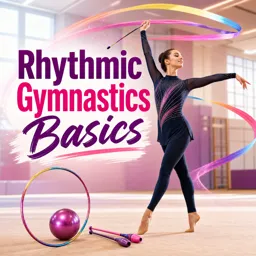
Rhythmic gymnastics stands out among sports for its unique blend of athleticism and artistry, with music and self-expression playing a central role in every routine. Unlike other gymnastics disciplines that focus solely on acrobatics or strength, rhythmic gymnastics routines are choreographed to music, allowing gymnasts to interpret sound through movement and emotion. This close relationship between music and expression is what makes rhythmic gymnastics both captivating and challenging.
Music Selection and Its Impact
Selecting the right music for a rhythmic gymnastics routine is both an art and a science. Coaches and gymnasts collaborate to find pieces that highlight the athlete’s strengths, match the routine’s tempo, and comply with competition guidelines. The perfect music amplifies the performance’s emotional impact, conveying feelings such as joy, grace, or dramatic intensity. Music choices range from classical compositions to contemporary hits, giving gymnasts endless possibilities to create memorable and unique routines.
Choreography: Telling a Story Through Movement
Choreography weaves together intricate skills and expressive gestures. Movements are carefully synchronized with the music’s highs and lows, enabling gymnasts to “tell a story.” Facial expressions, body language, and apparatus manipulation—using ribbon, hoop, ball, clubs, or rope—all contribute to the routine’s narrative. The goal is a seamless fusion of athletic technique and artistic impression that mesmerizes judges and spectators alike.
The Emotional Connection
One of rhythmic gymnastics’ most admired qualities is an athlete’s ability to emotionally connect with the audience. Successful performances transcend technical perfection by drawing viewers into the emotions conveyed through music and movement. Developing stage presence and confidence, cultivated through years of practice, is essential to achieve this connection.
Judging Expression and Artistry
Artistic impression plays a significant role in rhythmic gymnastics scoring. Judges assess not only the difficulty and execution of elements but also the interpretative quality of the performance. Expressiveness, originality, and synchronization with music are key factors that can elevate a routine’s score. Consequently, gymnasts dedicate extensive training to refining both their physical skills and musical expressiveness.
Conclusion
Music and expression are inseparable from rhythmic gymnastics, shaping each routine into a harmonious blend of sport and art. Through thoughtful music choices, expressive choreography, and emotional connection, gymnasts captivate audiences and showcase the full beauty of this remarkable discipline.