Paid traffic is a crucial part of digital marketing, delivering fast visibility and results. But managing paid campaigns well requires more than launching ads—it demands tools that help monitor, analyze, and optimize every detail to maximize ROI.
Why Invest in Paid Traffic Management Tools?
Managing campaigns across multiple platforms like Google Ads, Facebook, Instagram, and LinkedIn can be complex due to different dashboards and reporting formats. Paid traffic management tools centralize data, automate tasks, and provide advanced analytics, making it easier to make smarter decisions and streamline campaign oversight.
Top Tools for Paid Traffic Management
- Google Ads Manager: Manage Google network campaigns with options for split testing, bid management, and detailed reporting.
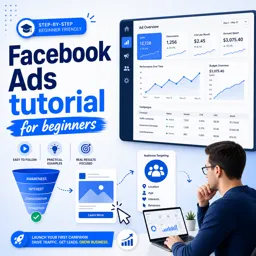
- Facebook Ads Manager: Provides powerful audience targeting, budget controls, and performance insights for Meta platforms.
- SEMrush: Beyond SEO, it offers paid traffic analytics, competitor research, and PPC tracking across search engines.
- SpyFu: A competitive intelligence tool revealing rivals’ paid keywords and ad strategies to help refine your approach.
- Unbounce: Build and optimize landing pages linked to your ads to improve conversions through easy testing.
- AdEspresso: Simplifies campaign creation and management across Facebook, Instagram, and Google Ads, with intuitive reporting and A/B testing.
Key Features to Look for in Paid Traffic Tools
- Cross-platform Integration: Manage multiple ad channels from one unified dashboard.
- Automated Reporting: Generate custom reports to track KPIs and ROI effortlessly.
- Budget Management: Set spending limits, monitor costs, and adjust bids automatically.
- Real-time Analytics: Access live data and optimization recommendations for quick campaign adjustments.
- A/B Testing: Test ads and landing pages to discover what resonates best with your audience.
Conclusion
In the fast-paced digital marketing world, managing paid traffic effectively is essential for growth. The right tools save time, reduce errors, and empower you to optimize campaigns with agility and insight. Identify the tools that suit your needs and integrate them into your process to elevate your paid advertising success.