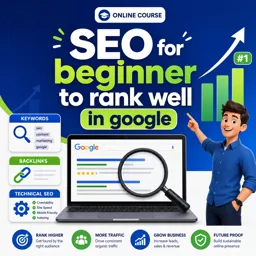
What Is SEO?
SEO, or Search Engine Optimization, is the process of optimizing your website and its content to increase visibility in search engine results. The primary goal is to attract organic (non-paid) traffic by ensuring that your site appears at the top of relevant search queries. SEO combines technical and creative strategies, making it a key component of any effective digital marketing plan.
The Importance of SEO in Business Administration
In today’s digital landscape, a business’s online presence can make or break its success. SEO not only helps potential customers discover your business but also builds trust and credibility. Well-optimized websites drive consistent traffic, generate leads, and deliver a better user experience, all of which are vital for sustained business growth.
Core Elements of SEO
- Keyword Research: Understand what phrases your target audience uses to find products or services like yours. Use keyword tools to identify high-value keywords and integrate them naturally into your content.
- On-Page SEO: Optimize individual web pages with relevant meta titles, meta descriptions, header tags, and keyword-rich content. Ensure your website is structured logically and is easy for both users and search engines to navigate.
- Technical SEO: Address aspects like site speed, mobile-friendliness, secure connections (HTTPS), crawlability, indexability, and structured data to help search engines efficiently process your website.
- Off-Page SEO: Build quality backlinks from reputable sources, engage in social media marketing, and foster brand mentions to elevate your site’s authority and rankings.
SEO Best Practices for Sustainable Growth
- Consistent Content Creation: Publish valuable, informative, and original content that answers user questions and needs.
- Optimize for Users, Not Just Search Engines: Prioritize user experience by making your site easy to navigate and ensuring pages load quickly.
- Monitor Analytics: Regularly track your SEO performance using tools like Google Analytics and Search Console to identify opportunities for improvement.
- Stay Updated: SEO best practices evolve as search engine algorithms change. Continuously educate yourself and adapt your strategies accordingly.
Conclusion: Invest in SEO for Long-Term Digital Success
SEO is an essential aspect of digital marketing and business administration. By laying a solid foundation and continuously refining your optimization strategies, your business can achieve higher visibility, build brand authority, and grow its customer base sustainably.