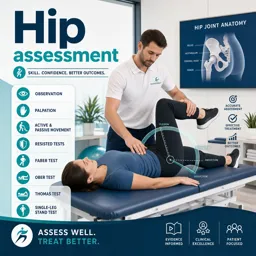
What is Rehabilitation in Physiotherapy?
Rehabilitation in physiotherapy is a patient-centered process focused on restoring and enhancing physical function and mobility after injury, illness, or surgery. By combining movement, manual therapy, and individualized treatment plans, physiotherapists help individuals regain independence and improve their quality of life.
Core Techniques Used in Physiotherapy Rehabilitation
- Manual Therapy: Hands-on techniques to manipulate joints and soft tissues, easing pain and increasing flexibility.
- Exercise Prescription: Personalized movement programs aimed at strengthening muscles, improving range of motion, and restoring balance.
- Electrotherapy: Modalities such as ultrasound or electrical stimulation used to promote healing and reduce pain.
- Patient Education: Teaching patients about posture, ergonomics, and self-care strategies vital for long-term outcomes.
- Assistive Devices: Tools like crutches, braces, or splints that help patients safely regain mobility during recovery.
Conditions Commonly Requiring Rehabilitation
Physiotherapy rehabilitation supports recovery from various conditions, including:
- Post-operative recovery (e.g., after joint replacement surgery)
- Sports injuries (e.g., sprains, ligament tears)
- Stroke recovery
- Neurological disorders (e.g., multiple sclerosis, Parkinson’s disease)
- Chronic pain and musculoskeletal disorders (e.g., arthritis, back pain)
Benefits of Physiotherapy Rehabilitation
Patients often experience:
- Enhanced mobility and balance
- Pain reduction
- Improved strength and endurance
- Faster recovery from injuries or surgery
- Increased confidence and autonomy
Inspiring Success Stories
- Kiran’s Comeback: After breaking his hip, Kiran worked with a physiotherapist to relearn daily tasks, eventually hiking with his family again.
- Maria’s Recovery: Following a stroke, Maria engaged in intensive physiotherapy and regained the ability to speak clearly and cook for herself.
Finding a Physiotherapist
Professional guidance from a qualified physiotherapist is crucial for safe and effective rehabilitation. They assess your condition, set personalized goals, and design a treatment program tailored to your needs.
Conclusion
Physiotherapy rehabilitation is a dynamic and empowering journey. With expert care and dedication, many patients reclaim their mobility and independence, enjoying a better quality of life after injury or illness.