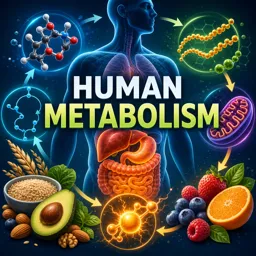
What is Human Metabolism?
Metabolism refers to the complex set of life-sustaining chemical reactions in the body. It allows you to convert food into energy, build and repair tissues, and eliminate waste. Essentially, metabolism is the engine that drives every cell in your body.
Key Factors That Influence Metabolic Rate
Several factors impact how efficiently your body burns calories:
- Genetics: Your metabolic rate is partly determined by your genes.
- Age: Metabolism naturally slows with age, making weight management more challenging.
- Muscle Mass: More muscle burns more calories, even at rest.
- Physical Activity: Regular movement increases calorie expenditure and supports muscle growth.
- Diet: The type and timing of food influence how efficiently your body uses energy.
How to Naturally Enhance Your Metabolism
Practical ways to support a healthy metabolism include:
- Increase Physical Activity: Aim for at least 150 minutes of moderate-intensity exercise weekly. Strength training helps boost resting metabolic rate.
- Eat Enough Protein: Protein-rich foods require more energy to digest and help maintain muscle mass.
- Stay Hydrated: Water temporarily boosts metabolism and aids nutrient transport and waste elimination.
- Don’t Skip Meals: Regular meals maintain steady metabolism; skipping meals can slow it down.
- Prioritize Sleep: Aim for 7–9 hours of quality sleep, as poor sleep can disrupt hormones and slow metabolism.
Common Metabolism Myths Debunked
- Myth: Thin people always have fast metabolisms.
Reality: Muscle mass and body composition matter more than appearance. - Myth: Eating late at night slows metabolism.
Reality: Total daily caloric intake and food quality have more impact than timing. - Myth: Supplements or superfoods dramatically increase metabolism.
Reality: No single food or pill can replace a balanced lifestyle.
Conclusion
Metabolism is influenced by genetics, age, muscle mass, and lifestyle. While some factors are beyond control, adopting healthy habits—like exercise, proper nutrition, hydration, and sleep—can naturally support metabolic processes, aid weight management, and enhance overall health.