Lower back pain is one of the most common physical complaints affecting people of all ages and activity levels. It can result from poor posture, muscle strain, prolonged sitting, or everyday movements done incorrectly. The good news is that physiotherapy offers a well-established set of techniques and exercises that can help relieve current discomfort and reduce the likelihood of future episodes. This article covers common, widely recognized physiotherapy approaches to lower back pain, along with practical exercises and prevention habits.
Understanding Common Causes of Lower Back Pain
The lower back, or lumbar region, supports much of the body’s weight and is involved in nearly every movement, from standing up to twisting and bending. Because of this constant demand, it is particularly prone to strain. Common contributing factors include muscle or ligament strain from sudden movements or heavy lifting, poor posture during prolonged sitting or standing, weak core muscles that fail to properly support the spine, and general deconditioning from a sedentary lifestyle. In many cases, lower back pain is mechanical in nature, meaning it stems from how the muscles, joints, and ligaments are functioning together rather than from a specific disease or injury.
The Role of Physiotherapy Assessment
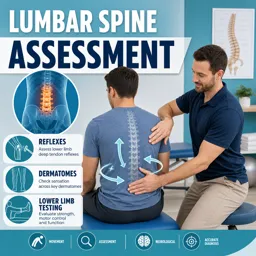
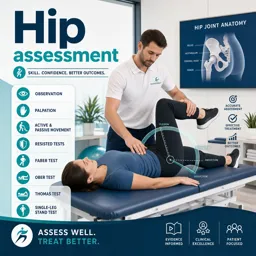
Before starting any exercise program, physiotherapists typically begin with a thorough assessment to understand the specific nature of a person’s pain and movement limitations. This usually involves reviewing the person’s history, observing posture and movement patterns, and testing strength, flexibility, and range of motion in the lower back and surrounding areas such as the hips and hamstrings. This assessment step matters because lower back pain can have many different contributing factors, and a technique that helps one person may not be appropriate for another. Based on the findings, a physiotherapist can design a program that targets the specific muscles, joints, or movement habits that are contributing to the pain, rather than applying a generic, one-size-fits-all approach.
Core Physiotherapy Techniques for Back Pain Relief
Physiotherapists use a combination of hands-on techniques and guided movement to address lower back pain. While specific treatment plans vary by individual, several approaches are widely used and recognized in the field.
- Manual therapy: Hands-on techniques such as soft tissue mobilization and joint mobilization help reduce muscle tension and improve joint movement.
- Heat and cold therapy: Heat helps relax tight muscles and improve blood flow, while cold therapy can reduce inflammation and numb acute pain.
- Therapeutic stretching: Gentle, guided stretches help release tight muscles that may be pulling on the lower back, such as the hip flexors and hamstrings.
- Core strengthening exercises: Building strength in the abdominal and back muscles provides better support for the spine, reducing strain during daily activities.
- Postural education: Learning correct sitting, standing, and lifting mechanics helps prevent repeated strain on the lower back.
Stretches and Exercises for the Lower Back
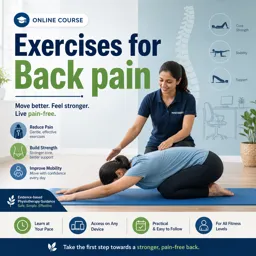
A well-rounded routine for lower back health typically combines gentle stretching with exercises that build core and back strength. Some widely recommended exercises include:
- Knee-to-chest stretch: Lying on your back, gently pull one knee toward your chest to stretch the lower back and glutes.
- Cat-cow stretch: On hands and knees, alternate between arching and rounding the back to improve spinal mobility.
- Pelvic tilts: Lying on your back with knees bent, gently flatten the lower back against the floor by tightening the abdominal muscles.
- Bird-dog exercise: On hands and knees, extend one arm and the opposite leg simultaneously to build core stability.
- Bridge exercise: Lying on your back with knees bent, lift the hips to strengthen the glutes and lower back muscles.
These exercises are commonly introduced by physiotherapists as part of a broader, individualized program and are generally performed in a slow, controlled manner to avoid aggravating the area.
A Simple Weekly Routine Overview
Consistency matters more than intensity when it comes to lower back exercises. The table below offers a general overview of how these techniques might be organized, though an individualized plan from a qualified professional is always preferable.
| Technique | Purpose | Suggested Frequency |
|---|---|---|
| Gentle stretching (knee-to-chest, cat-cow) | Improve flexibility and reduce stiffness | Daily |
| Core strengthening (bird-dog, bridge) | Build supportive muscle strength | 3-4 times per week |
| Heat therapy | Relax tight muscles before activity | As needed |
| Postural breaks during sitting | Reduce prolonged strain on the lower back | Every 30-60 minutes |
Prevention: Everyday Habits for a Healthy Back
Preventing lower back pain often comes down to consistent, simple habits woven into daily life rather than occasional intense effort. Consider the following practices:
- Maintain good posture when sitting, using proper lumbar support if needed.
- Take regular breaks to stand and move if you sit for long periods.
- Use proper lifting technique, bending at the knees rather than the waist.
- Stay physically active with low-impact activities like walking or swimming.
- Maintain a healthy body weight to reduce stress on the spine.
- Sleep on a supportive mattress and in a position that keeps the spine aligned.
When to See a Professional
While many cases of lower back pain improve with rest, gentle movement, and the techniques described above, some situations call for professional evaluation. Persistent pain lasting more than a few weeks, pain that radiates down the leg, numbness or tingling, or pain following a specific injury are all reasons to consult a physiotherapist or physician. A qualified professional can assess the underlying cause and design a treatment plan tailored to the individual’s specific condition.
Note: This article provides general educational information about common physiotherapy approaches to lower back pain and is not a substitute for professional medical advice, diagnosis, or treatment. Always consult a qualified healthcare provider regarding any back pain or health concern.
Moving Toward a Stronger, Healthier Back
Lower back pain is common, but it is also highly manageable with the right combination of knowledge, technique, and consistency. Understanding the basic causes, applying well-established physiotherapy approaches, and building sustainable daily habits can make a meaningful difference over time. If you are interested in learning more about physiotherapy techniques and rehabilitation principles, check out related courses on Cursa to continue building your knowledge in this area.