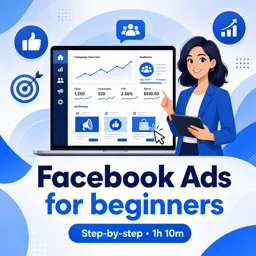
Introduction to Meta Ads for Business Administrators
In today’s competitive digital marketing environment, Meta Ads (formerly Facebook Ads) provide powerful tools for optimizing ad spend and maximizing return on investment (ROI). By adopting a data-driven approach, business administrators can enhance campaign performance and achieve measurable results across industries.
Understanding the Meta Ads Ecosystem
Meta Ads span Facebook, Instagram, Messenger, and the Audience Network, offering extensive reach and precise targeting options. The platform supports multiple ad formats and provides advanced analytics, enabling businesses to craft effective, goal-oriented campaigns.
Why Data Matters in Meta Ads Campaigns
Data drives every successful Meta Ads campaign. Audience insights, performance metrics, and conversion tracking allow business administrators to make informed decisions that boost results. Key metrics include click-through rate (CTR), cost per click (CPC), conversion rate, and return on ad spend (ROAS).
Setting Up Data-Driven Campaigns on Meta Ads
- Define Your Objectives: Set clear goals, whether for brand awareness, lead generation, or direct sales.
- Utilize Custom Audiences: Build audiences based on website visits, customer data, and lookalike profiles.
- Optimize Ad Creatives: Perform A/B testing for visuals, copy, and headlines to identify the highest-performing combinations.
- Track and Analyze Data: Regularly review Meta Ads Manager reports to refine targeting and allocate budgets efficiently.
Best Practices for Continuous Improvement
To maintain optimal performance, consider:
- Staying updated with Meta’s latest features and algorithm changes.
- Allocating more budget to high-performing campaigns and creatives.
- Using automated rules for real-time adjustments.
- Running retargeting campaigns to convert prospects who have previously shown interest.
Conclusion
For business administrators, maximizing ROI with Meta Ads requires a strategic, data-driven approach. By leveraging audience insights, optimizing creatives, and refining campaigns continuously, businesses can ensure every advertising dollar generates measurable returns.