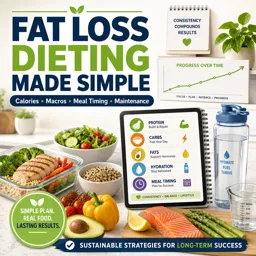
Meal planning is one of the simplest ways to make healthy eating feel automatic—without obsessing over numbers or relying on motivation. Instead of starting every day with the question “What should I eat?”, you build a repeatable structure that supports weight loss through consistency, balanced meals, and fewer last-minute choices.
In nutrition and weight loss, the most effective plan is usually the one you can repeat. Meal planning isn’t a rigid diet—it’s a decision-making tool. When you decide in advance, you’re more likely to include protein, fiber-rich carbs, and vegetables, and less likely to default to ultra-processed convenience foods.
What “meal planning” really means (and what it doesn’t)
Meal planning can be as light or as detailed as you want. At its core, it means deciding:
- What you’ll eat for key meals (often breakfast and dinner)
- When you’ll shop and prep
- What backups you’ll use when plans change
It doesn’t have to mean cooking every meal on Sunday or eating the same lunch for five days. A good plan builds in flexibility so it survives real life: social meals, travel days, busy work weeks, and fluctuating appetite.
The 3-part plate method for weight-loss-friendly meals
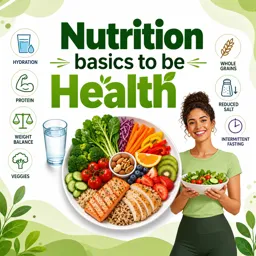
A practical and sustainable structure:
- Protein: supports satiety and preserves lean mass
- High-volume plants: vegetables, fruits, soups for fiber and volume
- Smart carbs and/or fats: adjusted to activity and hunger
When most meals follow this structure, hunger becomes easier to manage and consistency improves.
Start with a “3-2-1” weekly plan (fast, flexible, repeatable)
Keep it simple:
- 3 dinner anchors you can cook in 30–40 minutes
- 2 quick lunches (leftovers count)
- 1 breakfast default you enjoy repeating
This creates structure without boredom and allows flexibility in flavors and ingredients.

Build your grocery list around “modules,” not recipes
Instead of planning seven separate meals, use mix-and-match categories:
Protein modules (2–3):
chicken, eggs, Greek yogurt, tuna, tofu/tempeh, beans/lentils, lean meat
Plant modules (4–6):
leafy greens, frozen vegetables, carrots, cucumbers, tomatoes, berries, apples
Carb modules (2–3):
rice, oats, potatoes, tortillas, whole-grain bread, quinoa, pasta
Flavor modules:
sauces, spices, lemon, garlic, salsa, pesto
This system allows dozens of combinations without starting from scratch each day.
Prep smart: the “partial prep” approach
Focus on reducing friction:
- Wash/chop vegetables
- Cook one carb base (rice, potatoes, pasta)
- Prepare one protein
- Make one simple sauce
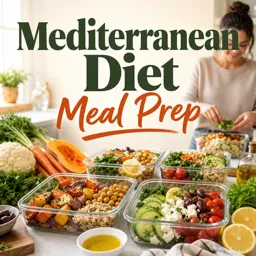
Now meals become quick assembly instead of full cooking sessions.
Plan for “backup meals” to prevent off-track nights
Choose 2–3 fast fallback options:
- Eggs + vegetables
- Greek yogurt + fruit + nuts
- Rotisserie chicken + salad + rice
- Bean chili
- Tuna or tofu wraps
Backups reduce decision stress and prevent impulsive choices.

How to handle snacks and cravings
You don’t need to eliminate snacks—just structure them.
Plan one protein-forward snack if needed:
- Greek yogurt + berries
- Apple + peanut butter
- Edamame
- Jerky + fruit
- Hummus + vegetables
A helpful strategy: eat a balanced meal first, then reassess cravings.
Portion guidance without tracking
Use simple anchors:
- Protein anchor: include protein in most meals
- Vegetable anchor: at least one high-volume plant food
- Carb/fat anchor: adjust portions based on activity
This keeps intake consistent without counting calories.
A sample “module-based” day
- Breakfast: Greek yogurt + berries + oats
- Lunch: Protein bowl with rice + vegetables
- Snack: Apple + peanut butter
- Dinner: Protein + roasted vegetables + potatoes
The pattern stays consistent, even when foods vary.
Learn more: free courses to support your nutrition plan
https://cursa.app/free-courses-health-online
https://cursa.app/free-online-health-courses
Additional focused topics:
https://cursa.app/free-online-courses/fat-loss
https://cursa.app/free-online-courses/sports-nutrition
https://cursa.app/free-online-courses/human-metabolism
https://cursa.app/free-online-courses/vitamins-and-supplements
https://cursa.app/free-online-courses/nutrition-for-muscle-growth
Public health reference:
https://www.who.int/news-room/fact-sheets/detail/healthy-diet

Put it into action: your 20-minute weekly reset
- Pick 3 dinners
- Choose 2 lunches
- Select 1 breakfast
- Build a module-based grocery list
- Add 2 backup meals
Consistency beats complexity. A simple plan you follow will always outperform a perfect plan you abandon.