Introduction to Lightroom Presets
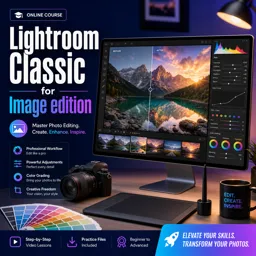
Adobe Lightroom is renowned for its powerful image editing capabilities, but one of its most efficient features is the use of presets. Lightroom presets offer both beginners and professionals an easy way to achieve stunning photo effects with just a single click. In this article, we’ll explore what presets are, how to create, use, and manage them, and some tips for developing your unique style using presets.
What Are Lightroom Presets?
Presets in Lightroom are pre-configured settings that can be applied to your images to quickly change their appearance. These settings can include adjustments to exposure, contrast, color grading, sharpness, and much more. Think of presets as reusable recipes that instantly transform your photos, saving you time on repetitive edits.
How to Use Presets in Lightroom
- Import Presets: Go to the Develop Module and locate the Presets panel. Click the ‘+’ icon and choose ‘Import Presets’ to add downloaded or purchased preset packs.
- Apply a Preset: Simply click on a preset in the panel to apply its settings to your selected image. You can preview the changes instantly and decide if you want to keep them or tweak further.
- Fine-Tune Your Edits: After applying a preset, you can still adjust individual settings to customize the look for each photo.
Creating Your Own Presets
Developing your custom presets gives your edits a signature look and helps streamline your workflow. Here’s how you can create one:
- Edit a photo in Lightroom until you achieve a style you love.
- In the Presets panel, click the ‘+’ icon and select ‘Create Preset.’
- Name your preset and select which settings to include.
- Click ‘Create’ and your preset will be saved in the panel for use on future projects.
Managing and Organizing Presets
As your collection of presets grows, keeping them organized will help you work more efficiently. Use folders in the Presets panel to categorize presets by style, genre, or workflow. You can also favorite the ones you use most often for quick access.
Tips for Using Presets Effectively
- Use as a Starting Point: Presets are best used as a base. Don’t be afraid to tweak settings afterward to better suit individual photos.
- Mix and Match: Try combining presets with your own adjustments to create unique outcomes.
- Consistency: Using similar presets across a series of images, such as for a photo collection or social media feed, can give your work a unified look.
Where to Find Quality Presets
There are countless websites and communities dedicated to Lightroom presets, both free and premium. Consider exploring Adobe’s official resources, creative marketplaces, or even photography forums for both inspiration and downloads.
Conclusion
Lightroom presets can revolutionize your image editing workflow, helping you achieve professional results in moments. Experiment with different styles, create your custom presets, and see how this feature can elevate your photography.