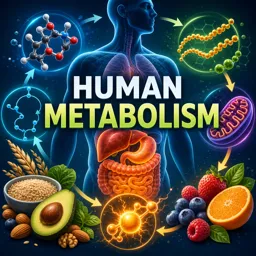
Every time you eat, your body receives a mix of nutrients that keep it running. Among them, three stand out because your body needs them in large amounts: carbohydrates, proteins, and fats. These are called macronutrients, and understanding their roles is the first step toward building a balanced diet. In this article, we will explain what each one does and how to include them wisely in your meals.
What are macronutrients?
Macronutrients are the nutrients that provide energy, measured in calories, and support the basic functions of the body. The prefix “macro” means large, because we need them in significant quantities every day, unlike micronutrients such as vitamins and minerals, which are needed in smaller amounts. The three macronutrients are carbohydrates, proteins, and fats, and each plays a unique and essential role.
| Macronutrient | Energy per gram | Main role |
|---|---|---|
| Carbohydrates | 4 calories | Primary source of energy |
| Proteins | 4 calories | Building and repairing tissues |
| Fats | 9 calories | Energy storage and hormone support |
Carbohydrates: your main fuel
Carbohydrates are the body’s preferred source of energy. When you eat them, they are broken down into glucose, which fuels your brain, muscles, and organs. There are two broad types. Simple carbohydrates, found in sugar, sweets, and refined products, release energy quickly. Complex carbohydrates, found in whole grains, vegetables, and legumes, release energy more slowly and keep you satisfied for longer.
Choosing complex carbohydrates more often helps keep energy levels steady and supports digestion, thanks to their fiber content. Whole foods such as oats, brown rice, beans, and fruit are excellent examples to prioritize in your meals.
Proteins: the body’s building blocks
Proteins are essential for building and repairing tissues, including muscles, skin, and organs. They are made of smaller units called amino acids, some of which the body cannot produce on its own and must obtain from food. That is why a varied diet matters.
Good sources of protein include animal foods such as eggs, fish, chicken, and dairy, as well as plant foods such as beans, lentils, chickpeas, tofu, and nuts. Beyond building muscle, proteins support the immune system, produce enzymes, and help you feel full, which can be helpful for those managing their weight.
Fats: essential and often misunderstood
Fats have a bad reputation, but they are vital for health. They store energy, protect organs, help absorb certain vitamins, and support hormone production. The key is choosing the right types of fat.
- Unsaturated fats, found in olive oil, avocados, nuts, and fish, are considered healthy and support heart health.
- Saturated fats, found in fatty meats and full-fat dairy, should be eaten in moderation.
- Trans fats, common in ultra-processed foods, are best avoided as much as possible.
Finding the right balance
No single macronutrient is more important than the others; a healthy diet includes all three in appropriate proportions. While exact needs vary from person to person depending on age, activity level, and goals, a common general guideline is to build meals around vegetables and whole grains, include a source of protein, and add a moderate amount of healthy fat.
A simple and practical approach is the balanced plate: fill half of it with vegetables and fruit, one quarter with a protein source, and one quarter with complex carbohydrates, adding a small portion of healthy fat. This visual method makes it easier to eat well without counting every calorie.
Common myths to avoid
Nutrition is full of misconceptions. One is that carbohydrates always cause weight gain; in reality, the type and amount matter far more than the food group itself. Another myth is that all fats are harmful, when healthy fats are actually necessary. Finally, some believe that eating large amounts of protein alone builds muscle, but muscle growth also depends on physical activity and overall balanced nutrition.
How much of each do you need?
There is no universal formula that fits everyone, because macronutrient needs depend on individual factors such as body size, age, and how active you are. Still, nutrition guidelines often suggest general ranges as a starting point. A common reference is that carbohydrates make up the largest share of daily calories, followed by proteins and fats in balanced amounts. Someone who is very active may need more carbohydrates for energy, while someone focused on building muscle may pay closer attention to protein intake.
Rather than obsessing over exact numbers, most people benefit from focusing on food quality and consistency. Whole, minimally processed foods naturally provide a good mix of macronutrients along with the vitamins and minerals your body needs.
Reading nutrition labels
Learning to read nutrition labels is a practical skill that puts macronutrient knowledge into action. On most packaged foods, the label lists the amount of carbohydrates, proteins, and fats per serving, along with the total calories. Paying attention to serving sizes is important, because the numbers refer to one portion, not always the whole package.
When comparing products, look beyond calories alone. Check the type of fat, the amount of added sugar, and the presence of fiber. Over time, this habit helps you make informed choices and understand exactly what you are putting on your plate.
Keep learning about nutrition
Understanding macronutrients gives you the tools to make smarter food choices and build meals that truly nourish your body. Remember that balance and variety are more valuable than strict rules or extreme diets. If you want to deepen your knowledge and learn how to plan healthier meals, explore the free nutrition and health courses available on Cursa, designed to guide you step by step at your own pace.