When you type a question into a search engine, you probably click one of the first results without thinking twice. That simple habit is exactly why search engine optimization matters so much. For businesses, creators, and website owners, appearing near the top of search results can mean the difference between being found and being invisible. In this beginner’s guide, you will learn what SEO is, why it is important, and the main strategies used to improve a website’s visibility.
What Is SEO?
SEO stands for Search Engine Optimization. It is the practice of improving a website so that it ranks higher in the unpaid, or organic, results of search engines like Google and Bing. The goal is to attract more relevant visitors by making your content easier to find and more useful to the people searching for it.
Unlike paid advertising, SEO focuses on earning traffic naturally over time. It is a long-term strategy, but one that can bring lasting results without paying for every click.
Why SEO Matters
Most online experiences begin with a search. If your website does not appear on the first page of results, the chances of being discovered drop dramatically. Good SEO helps you:
- Reach people who are actively looking for what you offer.
- Build trust and credibility with your audience.
- Attract steady traffic without ongoing advertising costs.
- Improve the overall experience for your visitors.
In short, SEO connects your content with the right people at the exact moment they are searching for it.
How Search Engines Work
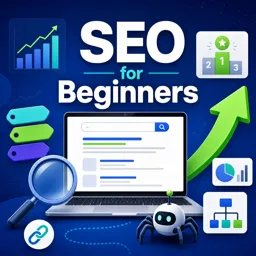
To understand SEO, it helps to know how search engines operate. They rely on automated programs, often called crawlers or bots, to explore the web and discover pages. This process is known as crawling. The information they find is then organized and stored in a huge database through a process called indexing.
When someone performs a search, the engine sorts through its index and ranks pages based on how relevant and useful they appear to be. SEO is about helping search engines understand your content and recognize it as a valuable answer to a user’s query.
The Main Types of SEO
SEO is usually divided into three main areas, each focusing on a different aspect of optimization:
| Type | Focus |
|---|---|
| On-page SEO | Optimizing content and elements on your own pages |
| Off-page SEO | Building reputation and links from other websites |
| Technical SEO | Improving the site’s structure and performance |
On-Page SEO
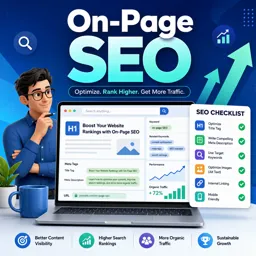
On-page SEO covers everything you can control directly on your website. This includes writing high-quality, relevant content, using clear and descriptive titles, organizing information with headings, and choosing keywords that match what your audience is searching for. Adding descriptive text to images and writing helpful meta descriptions also fall into this category. The main idea is to make each page genuinely useful and easy to understand.
Off-Page SEO
Off-page SEO refers to actions taken outside your website that influence its reputation. The most well-known factor is backlinks, which are links from other websites pointing to yours. When trustworthy sites link to your content, search engines see it as a sign of credibility. Sharing valuable content and engaging with your community can naturally encourage others to reference your work.
Technical SEO
Technical SEO ensures that search engines can crawl and index your site without problems. This includes having a fast-loading website, a design that works well on mobile devices, secure connections, and a logical site structure. Even the best content can struggle to rank if the technical foundation is weak, so this area is essential for long-term success.
Getting Started With SEO
You do not need to master everything at once. Beginners can make real progress by focusing on a few fundamentals first:
- Understand what your audience is searching for.
- Create clear, helpful content that answers their questions.
- Use descriptive titles and headings to organize your pages.
- Make sure your website is fast and mobile-friendly.
- Be patient, since SEO results build gradually over time.
Consistency is key. Small, steady improvements often lead to meaningful results as search engines recognize the value of your site.
A Common SEO Myth
One of the most persistent myths is that SEO is about tricking search engines or stuffing pages with as many keywords as possible. In reality, modern search engines are designed to reward content that genuinely helps people. Overusing keywords or trying to game the system can actually harm your rankings.
The most reliable long-term strategy is simple: focus on your audience first. When you create content that is clear, trustworthy, and truly useful, you are already following the core principle behind good SEO. Everything else builds on that foundation.
Conclusion
SEO is one of the most valuable skills for anyone who wants to grow an online presence. By understanding how search engines work and applying on-page, off-page, and technical strategies, you can help the right people find your content. It takes time and patience, but the rewards are well worth the effort. If you want to learn more and put these ideas into practice, explore the free digital marketing and SEO courses available on Cursa and start building your online visibility today.