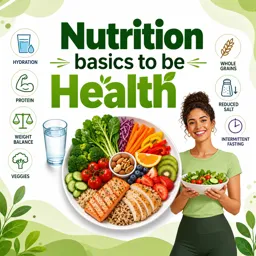
Portion control is one of the most effective skills for nutrition and weight loss—but it doesn’t have to mean weighing food, tracking every calorie, or turning meals into math problems. By using visual cues, smart defaults, and a few repeatable habits, you can consistently eat “enough” for health and satisfaction while naturally reducing overeating.
This approach works especially well if you want structure without rigidity: you’ll learn to build balanced meals quickly, keep portions aligned with your goals, and still enjoy flexibility at restaurants, social events, and busy weekdays.
Why portion control matters (even with “healthy” foods)
Many nutrient-dense foods—nuts, oils, cheese, granola, dried fruit—are easy to over-serve because they’re compact and calorie-dense. Meanwhile, some highly palatable foods can bypass fullness cues and lead to “portion creep.”
Portion awareness helps you match intake to appetite and energy needs—without eliminating foods you enjoy.
The Plate Method: a fast template for everyday meals
A simple, effective structure:
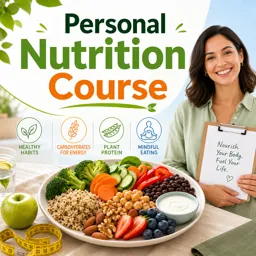
- Half plate: non-starchy vegetables (broccoli, salad, peppers, zucchini)
- Quarter plate: protein (chicken, fish, tofu, eggs, beans)
- Quarter plate: carbs (rice, potatoes, pasta, grains, fruit)
- Add: a small portion of healthy fats if needed (olive oil, avocado, nuts)
This naturally increases fiber and protein—two key drivers of fullness—without needing to track calories.
Hand portions: an easy guide anywhere
Your hands are a built-in portion tool:
- Protein: 1 palm
- Carbs: 1 cupped hand
- Fats: 1 thumb
- Vegetables: 1–2 fists (or more)
Adjust based on your day: more active = more carbs/protein; less active = prioritize vegetables.

Dishware “defaults” that reduce portions without effort
Small environmental changes make a big difference:
- Use smaller plates for calorie-dense meals
- Serve food in the kitchen, not at the table
- Use smaller bowls for snacks and desserts
- Avoid oversized serving utensils
These reduce automatic overeating—without relying on discipline.
Slow down: portion control starts with your appetite signals
If you eat too quickly, fullness signals arrive too late. Try:
- Pause before eating (deep breaths)
- Put utensils down between bites
- Drink water mid-meal
- Aim for ~15–20 minutes per meal
This helps you stop at “satisfied” instead of “overfull.”
Build “volume” with low-calorie add-ons
If smaller portions leave you hungry, increase volume:
- Add vegetables or salad
- Use broth-based soups
- Mix cauliflower rice with regular rice
- Add beans or vegetables to meals
You’ll feel fuller with fewer calories overall.
Snack portions: pre-decide, don’t graze
Make snacks intentional:
- Portion into a bowl (not the package)
- Combine protein + fiber (e.g., yogurt + fruit)
- Use a “closing cue” (tea, brushing teeth, short walk)
This prevents endless, unnoticed snacking.
Restaurant strategy: decide before the first bite
Restaurants often serve oversized portions. Try:
- Pack half immediately
- Start with vegetables
- Choose grilled/roasted options
- Limit extras (bread, sugary drinks, heavy sauces)
You still enjoy the meal—just with a portion that fits your goals.
How to personalize portions for your goals
Adjust based on feedback:
- Hungry between meals → increase protein + vegetables
- Weight trending up → reduce energy-dense extras (oils, cheese)
- Low energy in workouts → increase carbs around training
For deeper guidance:
https://cursa.app/free-online-courses/fat-loss
https://cursa.app/free-courses-health-online

Common pitfalls (and easy fixes)
- “Healthy” but calorie-dense meals: measure oils occasionally
- Liquid calories: reduce sugary drinks and specialty coffees
- Weekend overeating: keep one anchor habit
- Skipping meals: leads to rebound overeating → plan ahead
Consistency beats perfection.
Learn more and keep building your skill set
Portion control is a foundational skill that pairs well with broader nutrition learning. Continue exploring:
https://cursa.app/free-online-health-courses
https://cursa.app/free-online-courses/sports-nutrition
https://cursa.app/free-online-courses/nutrition-for-muscle-growth
https://cursa.app/free-online-courses/vitamins-and-supplements