Introduction
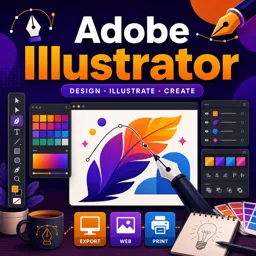
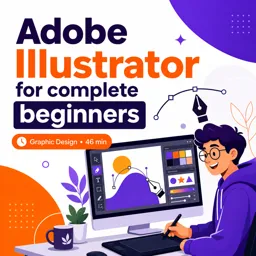
Adobe Illustrator stands at the forefront of vector graphic design, offering designers a wide range of features and tools. One of its most impactful applications is icon design—a fundamental element of visual communication in user interfaces, branding, and digital products. This article will guide you through Illustrator’s toolset and techniques to create impactful and scalable icons.
Why Adobe Illustrator for Icon Design?
Icons demand precision, clarity, and flexibility. Illustrator’s vector-based workflow allows creators to design icons that remain crisp at any size, making it an ideal choice for both web and print workflows. With tools like the Pen Tool, Shape Builder, and Pathfinder, designers have complete control over every pixel and curve.
Key Tools in Illustrator for Icon Creation
- Pen Tool: Delivers unmatched control over paths for custom shapes.
- Shape Tools: Quickly draft basic elements—circles, rectangles, polygons—to form icon foundations.
- Pathfinder: Combine, subtract, and intersect shapes to build complex icons with ease.
- Align and Distribute: Maintain consistency and symmetry across multiple icons.
- Color and Appearance Panel: Manage fills, strokes, and effects for adaptable icon styles.
Workflow Tips for Efficient Icon Design
- Set Up a Grid: Use the pixel grid and smart guides to ensure perfect alignment and consistency.
- Work with Artboards: Design different icon sizes side by side using multiple artboards.
- Use Symbols: Save reusable elements as symbols to maintain efficiency in icon sets.
- Export for Web: Take advantage of SVG and PNG export options to deliver high-quality icons for any digital application.
Creative Techniques to Elevate Your Icons
Adobe Illustrator offers effects such as gradients, shadows, and blending modes for depth and character. Use these sparingly in icons for digital interfaces to maintain legibility. Experiment with line weights and simplified color palettes to build a cohesive icon set.
Conclusion
Mastering icon design in Adobe Illustrator is a valuable asset for any graphic designer. Whether you’re designing for mobile apps, websites, or branding projects, Illustrator’s robust toolkit empowers you to create icons that are both beautiful and functional. Begin exploring these tools and techniques in your next project and watch your designs come to life.