Introduction to BJJ Submissions
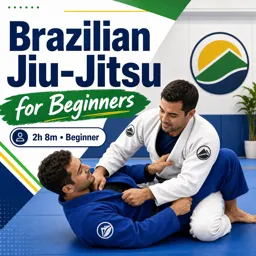
Brazilian Jiu-Jitsu (BJJ) is renowned for its strategic use of submissions — techniques that allow you to control your opponent and finish matches without causing unnecessary harm. Whether you are a beginner or aspire to compete, learning fundamental submissions is key to building your effectiveness in BJJ.
What Are Submissions in BJJ?
In BJJ, submissions are techniques designed to make your opponent tap out by inducing pain or the threat of injury, most often targeting the joints or air/blood flow. The two main types are:
- Chokes: Techniques aimed at restricting air or blood to the brain, leading to a quick tap out.
- Joint Locks: Techniques that hyperextend or manipulate joints beyond their normal range of motion, forcing the opponent to submit to avoid injury.
Fundamental BJJ Submissions
Here are some essential BJJ submissions every practitioner should know:
1. Rear Naked Choke
Perhaps the most iconic submission in BJJ, the rear naked choke is applied from the opponent’s back, using your arms to encircle their neck, cutting off blood flow and resulting in a quick tap or loss of consciousness if not released.
2. Armbar
The armbar targets the elbow, hyperextending the joint by trapping the arm between your legs and hips and applying pressure. It’s often set up from the mount or guard positions.
3. Triangle Choke
Executed from guard, the triangle choke involves trapping your opponent’s neck and an arm between your legs, forming a triangle, using your legs to cut off blood flow to the head.
4. Kimura
The kimura is a shoulder lock named after judoka Masahiko Kimura. It involves isolating your opponent’s arm and leveraging their shoulder joint, leading to a painful submission.
5. Guillotine Choke
This front headlock-style choke is extremely effective both in gi and no-gi BJJ, typically applied when the opponent lowers their head during a takedown attempt.
How to Practice Submissions Safely
- Always train under the supervision of a qualified instructor.
- Practice control and listen for the tap; never force a technique.
- Tap early and often to prevent injury.
Conclusion
Mastering fundamental submissions gives you the confidence and skills to progress in Brazilian Jiu-Jitsu. Spend time drilling these techniques, focus on control and safety, and enjoy the journey of growth on the mats!