What is Adobe InDesign?
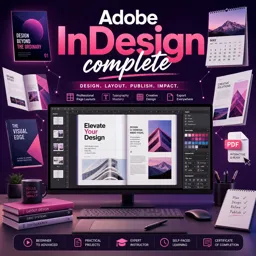
Adobe InDesign is a leading desktop publishing software developed by Adobe Systems. It is widely recognized for its robust set of tools that empower designers to create stunning layouts for print and digital media. From magazines, books, and newspapers to interactive PDFs and eBooks, InDesign handles it all with precision and flexibility.
Key Features of Adobe InDesign
- Professional Layout Controls: InDesign offers a precise grid system, guides, and smart tools for aligning text and images seamlessly, ensuring every page layout is polished and consistent.
- Typography Excellence: With advanced typographic controls, designers can fine-tune kerning, tracking, leading, and styles to achieve high-quality text designs.
- Master Pages: By using master pages, you can apply consistent elements like headers, footers, and page numbers across your entire publication, saving time and effort.
- Integration with Creative Cloud: InDesign works smoothly with other Adobe tools like Photoshop and Illustrator, making it easier to import graphics and maintain design consistency.
- Interactive Documents: Go beyond print; add hyperlinks, buttons, and animations for interactive PDFs and digital publications.
Common Uses for Adobe InDesign
Some of the most common projects created in InDesign include:
- Books and novels, including both print and digital formats
- Magazines and newsletters with complex and engaging layouts
- Brochures and marketing materials
- Catalogs and product documentation
- Interactive forms and eBooks
Getting Started with InDesign
New users might find InDesign complex at first. Here are a few tips to help you get started:
- Familiarize yourself with the interface: Take time to explore the panels, tools, and workspace.
- Learn about ‘Frames’: All text and images reside in frames. Master manipulating these for creative layouts.
- Experiment with Templates: InDesign offers pre-made templates to kickstart projects quickly.
- Use Paragraph and Character Styles: They help keep text formatting consistent across your document.
- Save Your Work: Utilize InDesign’s ability to save, export, and package files appropriately for print or digital distribution.
Why Learn Adobe InDesign?
Proficiency in Adobe InDesign is a valuable skill for designers specializing in print and digital publishing. Mastering InDesign enhances your ability to create compelling, organized, and visually appealing documents—making you an asset in publishing, marketing, and design agencies. Whether you’re designing a one-page flyer or a multi-chapter book, InDesign delivers professional results every time.