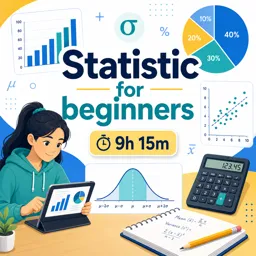
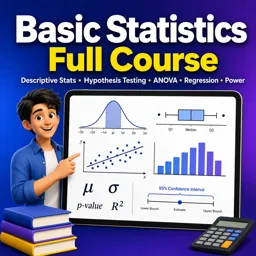
Welcome to the World of Statistics and Probability
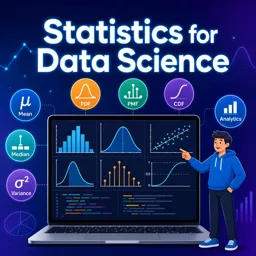
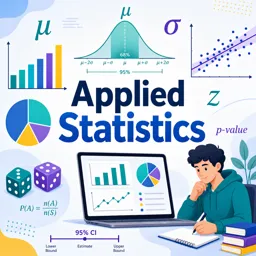
Statistics and probability form the backbone of many disciplines, from data science to economics. They help us make sense of complex data and predict future trends based on past occurrences. Whether you’re preparing for exams or looking to improve your analytical skills, mastering these concepts is invaluable.
What is Statistics?
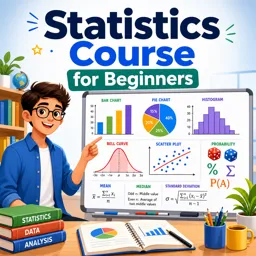
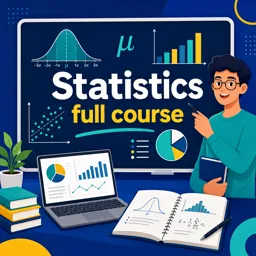
Statistics involves collecting, analyzing, interpreting, presenting, and organizing data. It’s about understanding what the data is telling us and making informed decisions based on that information. In essence, statistics turns data into actionable insights.
Understanding Probability
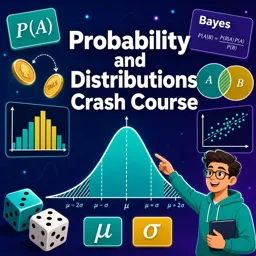
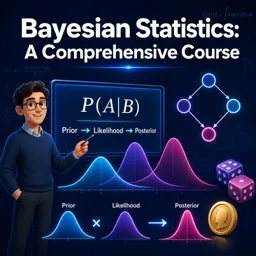
Probability is the study of uncertainty. It measures the likelihood of an event occurring and is foundational in risk assessment and decision-making processes. By learning probability, you gain the ability to predict outcomes and assess risks effectively.
Why Study Statistics and Probability?
- Better Decision Making: Understanding data leads to better decision-making in personal and professional contexts.
- Prepare for Exams: Grasp the key concepts you need to excel in your exams and academic pursuits.
- Develop Analytical Skills: Enhance your ability to analyze and interpret data, a skill highly valued in today’s data-driven world.
Free Resources to Learn Statistics and Probability
With numerous free resources available online, diving into the world of statistics and probability has never been easier. You can find a plethora of tutorials, videos, and articles designed to guide you from basic to advanced levels.
Conclusion
Embarking on a journey to learn statistics and probability equips you with critical skills that can open doors in various fields. Whether you are asking questions in a classroom or preparing for a major exam, a strong understanding of these subjects will empower you to make informed and confident decisions.