Understanding the Importance of Self-Defense
Self-defense is more than just learning how to respond to physical threats—it is about being prepared, confident, and aware in situations where your safety may be at risk. Whether you are walking alone at night, using public transport, or simply going about your daily routine, knowing how to protect yourself is a vital skill.
Building Awareness and Prevention
The first step in effective self-defense is situational awareness. This means being conscious of your surroundings and recognizing potential dangers before they escalate. Trust your instincts—if something feels off, take action to remove yourself from the situation whenever possible.
- Avoid distractions such as using your phone or listening to music when walking in unfamiliar areas.
- Stay in well-lit, populated places whenever possible.
- Inform someone you trust about your whereabouts, especially during late hours or in new locations.
Essential Self-Defense Techniques
While physical techniques can vary, the following fundamental moves are commonly taught in self-defense courses:
- Breakaway Holds: Learn simple wrist releases and escape moves if someone grabs you.
- Blocking and Deflecting: Master basic blocks to protect key areas such as your head and torso.
- Striking Zones: Focus on targeting sensitive areas like the eyes, nose, throat, and groin when necessary.
- Using Your Voice: Yelling or shouting commands can draw attention, startle an attacker, and deter further aggression.
Self-Defense Tools and Legal Considerations
There are various tools available to aid in self-defense, including personal alarms, whistles, and pepper spray (where legal). However, it is important to:
- Check the laws in your area regarding self-defense devices.
- Understand how to use any device safely and responsibly.
- Remember that tools are supplements—not substitutes—for awareness and proper technique.
Developing Confidence Through Practice
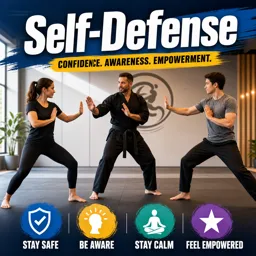
Enrolling in a self-defense class can provide hands-on experience, feedback, and a supportive environment to build your skills. Regular practice improves your muscle memory, reaction time, and confidence in stressful situations. Many communities offer classes for all ages and fitness levels, so there’s never a wrong time to start.
Conclusion: Empowerment Through Knowledge and Action
Self-defense is about empowering yourself with the knowledge and skills to protect your well-being. By staying alert, learning simple techniques, and practicing regularly, you can take proactive steps towards your own safety and peace of mind.