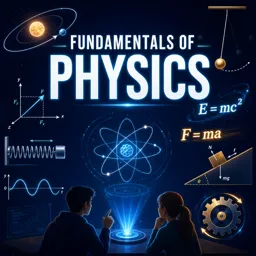
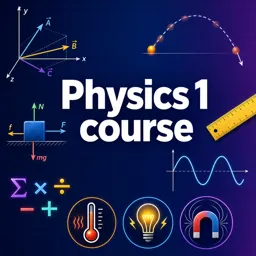
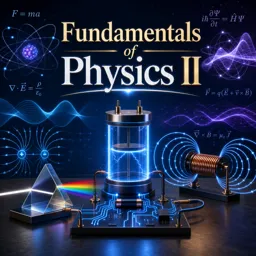
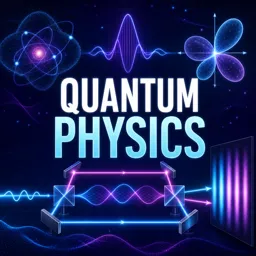
Introduction to Physics: A Foundation for Your Knowledge
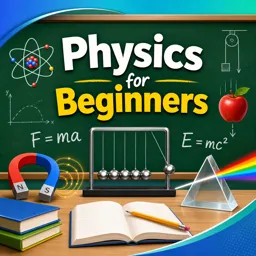
Physics is one of the most fundamental sciences, governing everything from the smallest particles to the vastness of the universe. Whether you’re a student preparing for exams, an aspiring scientist, or simply someone curious about how the world works, mastering physics concepts can unlock new levels of understanding and problem-solving.
This comprehensive guide aims to provide you with structured learning resources, study strategies, and expert tips to enhance your physics knowledge and exam performance.
The Importance of Studying Physics
Physics is not just about solving equations—it is the backbone of many scientific and technological advancements. By studying physics, you gain insights into motion, energy, forces, electromagnetism, and quantum mechanics, all of which play crucial roles in fields like:
- Engineering – designing machines, structures, and electrical systems.
- Medicine – understanding medical imaging, radiation therapy, and biomechanics.
- Technology – advancing artificial intelligence, robotics, and electronics.
- Environmental Science – improving renewable energy sources and climate modeling.
Understanding physics fosters critical thinking, analytical reasoning, and problem-solving skills, making it a valuable discipline for any career path.
Free Online Classes: Expand Your Learning Horizon
To support your learning journey, numerous free online resources offer structured courses that cater to different levels of physics expertise:
- Khan Academy – Covers fundamental physics topics with interactive exercises.
- MIT OpenCourseWare – University-level courses on classical mechanics, electromagnetism, and quantum physics.
- Coursera & edX – Offer physics courses from top universities, available for free with optional certification.
- YouTube Channels – Platforms like MinutePhysics, Veritasium, and PhysicsGirl simplify complex topics with engaging visual explanations.
By leveraging these resources, you can study physics at your own pace while gaining practical insights through simulations and video demonstrations.
Essential Study Topics in Physics
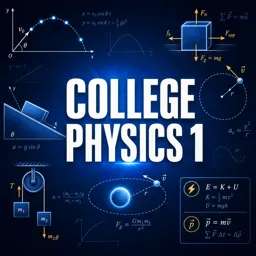
1. Mechanics (Classical Physics)
- Newton’s Laws of Motion
- Kinematics & Dynamics
- Work, Energy, and Power
- Momentum and Collisions
- Rotational Motion
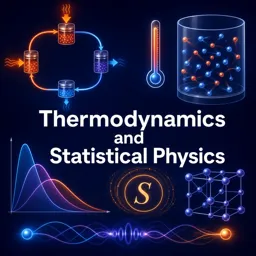
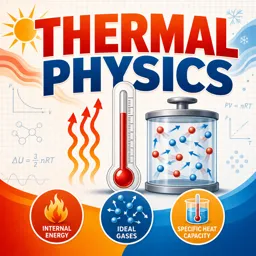
2. Thermodynamics
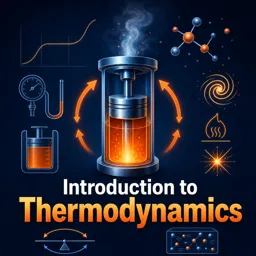
- Laws of Thermodynamics
- Heat Transfer Methods
- Carnot Engine & Entropy
3. Electromagnetism
- Electric Fields and Charges
- Ohm’s Law and Circuit Analysis
- Magnetic Fields and Induction
- Maxwell’s Equations
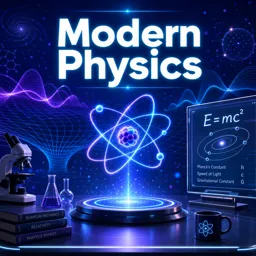
4. Modern Physics
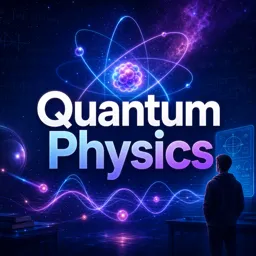
- Quantum Mechanics Basics
- Wave-Particle Duality
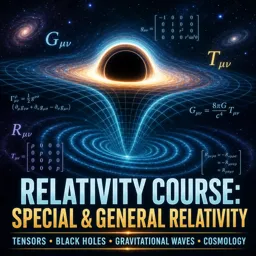
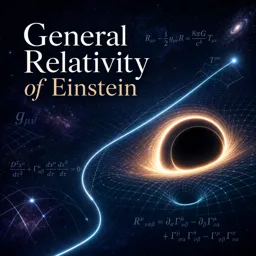
- Special & General Relativity
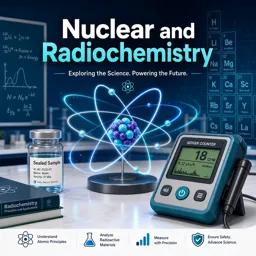
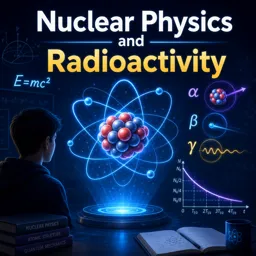
- Nuclear Physics and Radioactivity
Understanding these core topics provides a strong foundation for solving real-world problems and tackling advanced physics concepts.
Tips for Effective Physics Study
1. Set Clear Goals
- Define specific objectives for each study session (e.g., mastering Newton’s Laws or solving thermodynamics problems).
- Use a study planner to track progress and ensure consistency.
2. Practice Regularly
- Solve numerical problems daily to strengthen conceptual understanding.
- Work on past exam questions to familiarize yourself with problem patterns.
- Use flashcards for formula memorization and quick recall.
3. Engage in Discussions
- Join study groups, physics forums, or online communities to exchange knowledge.
- Explain concepts to others—teaching helps reinforce your own understanding.
4. Utilize Interactive Simulations
- PhET Interactive Simulations offers virtual physics experiments that help visualize complex phenomena.
- Wolfram Alpha assists in solving physics equations with step-by-step solutions.
5. Manage Exam Time Wisely
- Prioritize topics based on exam weightage and difficulty level.
- Practice time-bound problem-solving to improve speed and accuracy.
- Review mistakes to identify weak areas and focus on improvements.
Conclusion
Physics is an exciting and rewarding field that extends beyond textbooks and equations—it helps us decode the fundamental laws of nature. By adopting a structured study plan, utilizing free online courses, and implementing effective learning techniques, you can build a strong physics foundation and achieve exam success.
Start today with our free online physics classes, where expert instructors simplify complex topics, provide hands-on problem-solving strategies, and guide you toward physics mastery. 🚀