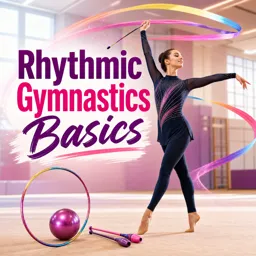
Gymnastics is a sport that combines strength, agility, coordination, and grace. From beginners to elite athletes, the right equipment is vital for safety, skill progression, and peak performance. Understanding the core apparatus, safety gear, and personal items used in the sport offers valuable insight into the challenges and precision of gymnastics.
Core Gymnastics Apparatus
Each discipline in gymnastics uses specialized apparatus to showcase different abilities:
- Vaulting Table: Athletes sprint, launch from a springboard, and perform aerial maneuvers over a cushioned table, demonstrating explosive power and flight.
- Uneven Bars (Women) / Parallel Bars (Men): Horizontal bars requiring grip strength, upper body control, and perfect timing for swinging and release moves.
- Balance Beam: Just 10 centimeters wide, this apparatus tests precision, poise, and balance during acrobatic and dance elements.
- Pommel Horse: A men’s event focusing on core endurance and hand-only support through circles, flairs, and scissors.
- Rings: Demanding extreme upper body and core control, rings feature still holds and dynamic swings.
- Floor Exercise: Performed by both men and women on a springy mat, combining acrobatics with expressive choreography.
Safety and Training Gear
Training safely and efficiently relies on specialized protective equipment:
- Mats and Pits: Cushioned mats and foam pits ensure safe landings and skill experimentation.
- Grips and Wristbands: Essential for bars and rings to protect against friction and enhance grip.
- Spotting Blocks and Trainer Aids: Foam shapes and spotting belts assist in safely learning complex movements.
Maintenance and Personal Gear
Beyond apparatus, gymnasts depend on personal items for comfort, hygiene, and performance:
- Chalk: Improves grip and stability by absorbing moisture from hands and feet.
- Proper Attire: Leotards, shorts, and leggings allow free movement and minimize distractions.
Conclusion
In gymnastics, equipment is more than just accessories—it’s the foundation of safety, skill mastery, and athletic excellence. From core apparatus to personal gear, each tool plays a vital role in helping gymnast