Introduction to Adobe Express in Design and Art
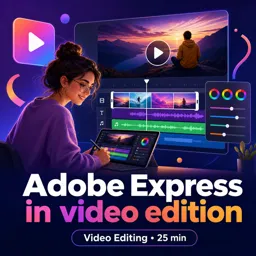
In the fast-evolving world of digital design, having accessible and intuitive tools for video editing is essential. Adobe Express stands out as one of the most powerful yet user-friendly applications for designers and artists who want to incorporate dynamic video content into their projects. Whether you’re enhancing a portfolio, creating social media visuals, or presenting client work, Adobe Express offers a seamless workflow that caters to both beginners and seasoned creatives.
Key Features for Design-Focused Video Editing
Adobe Express is specifically tailored to meet the unique needs of design and art professionals:
- Template Selection: Choose from hundreds of professionally designed video templates to jumpstart your project.
- Drag-and-Drop Editor: Effortlessly assemble video clips, images, and text, making it easy to visualize your creative ideas.
- Design Assets: Access a rich library of icons, stock photos, fonts, and brand kits, all integrated within the platform.
- Customization Tools: Adjust colors, filters, and transitions to ensure your videos align with your design language and brand identity.
- Animation and Motion Effects: Bring static designs to life with smooth motion graphics and subtle animation effects that captivate viewers.
Why Designers and Artists Choose Adobe Express
One of the main reasons designers and artists gravitate toward Adobe Express is its ease of use. Instead of struggling with complicated timelines and overwhelming menus, users can focus on the creative aspects of their project. With real-time previews and cloud-based collaboration, sharing feedback and making revisions are more straightforward than ever.
Additionally, the integration with other Adobe tools like Photoshop or Illustrator allows for a smooth exchange of assets, making complex design workflows much more efficient.
Incorporating Video into Your Design Process
Adding videos to your creative projects can significantly boost their impact. Consider these examples:
- Animated Portfolios: Showcase your artwork or design samples with an eye-catching video reel created in Adobe Express.
- Brand Storytelling: Use video to narrate the story behind your brand or a specific project, helping clients connect emotionally with your vision.
- Social Media Campaigns: Design short, engaging promotional videos tailored for platforms like Instagram, Facebook, and TikTok.
Tips for Maximizing Your Creative Output
- Take advantage of templates: Experiment with different graphic styles and motion effects to find the perfect match for your project.
- Maintain brand consistency: Save and reuse brand elements to keep your visuals cohesive across all your work.
- Collaborate seamlessly: Use Adobe Express’s sharing features to gather feedback and refine your videos with input from team members or clients.
- Export and share with ease: Download your videos in various formats or publish them directly to your preferred platforms from within the app.
Conclusion
Adobe Express is more than just a video editor—it is a transformative tool that empowers designers and artists to communicate ideas visually with professionalism and flair. By integrating Adobe Express into your creative process, you can elevate your projects, engage your audience, and stay ahead in the ever-competitive field of design and art.