Brand, symbol and logo. Here are words that arouse curiosity, cause confusion and generate discussion, for which, perhaps, there is no single solution with a precise definition.
When approaching the theme, this text will try to try the words, clarify something, or, perhaps, confuse more, because one never knows in advance the result that will be provoked in the interpretation of each reader… In any case, under no circumstances does the text have the claim to be dogmatic and to have a final word on the matter.
Symbol
By the definition of the Aulete dictionary: “Sign, sign, figure that represents a concept or suggestion.”
Logo
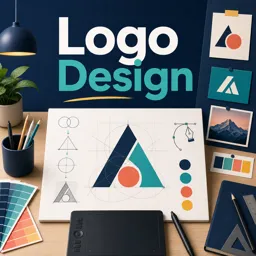
By the definition of the Aulete dictionary: “The name and the graphic symbol that together constitute the visual representation of a brand (product, company, etc.).” The Michaelis dictionary has the following definition: “In advertising, a design that graphically symbolizes and identifies a company or institution, constituting its formal representation.”
Brand
By the definition of the Michaelis dictionary: “In advertising, name, expression, design or symbol, or a combination of these elements, which serves to identify a firm’s goods or services and distinguishes them from the products and services of competitors.”
Doubts and discussions about brand, symbol, logo, logo and logo
Given the dictionary definitions, we will comment on doubts and discussions surrounding the words involved. In fact, even the dictionaries themselves have similar definitions. If you try to look up the words logo, logo and logo in different dictionaries, the results found will bring different meanings.
Some authors argue that logo and logo represent the same meaning. Other authors claim that the logo is the typographic representation of a brand, that is, the brand name written in full in a stylized way. There are those who think that the logo is composed of the symbol and the typography. There are also those who argue that the logo is the design of a symbol that represents the company, associated with the name, without necessarily using letters. Others believe that logo is the same as symbol. And there are also those who believe that it is not correct to use the word logo.
With the profusion of opinions about this discussion, it is also clear that there are those who were previously in favor of the use of the word logomarca and later became contrary, while there are those who were previously against the use of the word logomarca and later started to admit it. .
The importance of briefing in marketing and design
It is curious to observe that there is an atmosphere of confrontation between ardent supporters of the use of the word logomark and those who vehemently disapprove of its use. Some professionals even belittle or underestimate others by the use or not of the word logo. Unpleasant radicalisms… It is certain, however, that any unproductive discussion in this sense does not lead to a better job, nor to the result expected by the client.
The briefing is essential to understand what the customer expects. Regardless of the terms used, a job well done is the goal to be achieved. It’s because of
briefing that there must be a detailed understanding and agreement between contractor and contractor.
The brand beyond graphic representation
As for the brand, the discussions are less intense. The brand concept is broader. The brand is the main element of the visual identity. The logo, logo and/or logo are present on the brand. In addition to its own graphic representation, the brand supports the essence, mission, vision and values of what it represents.
If you thought that this text would only bring the definitions and end your doubts, it is not the case. It would be more comfortable for the text to adopt certain definitions and simply present them as correct. However, it must be made clear that there is no consensus on the subject. There is historical disagreement on the subject, especially among marketing and design professionals. The discussion still goes through other disciplines such as administration, etymology and semiotics. Therefore, it is up to you to analyze and have your own interpretation.