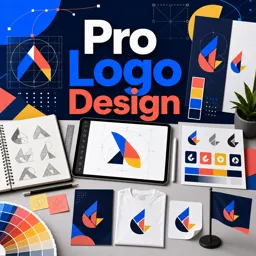
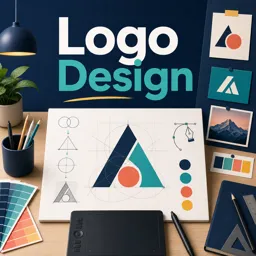
Logo design is where creativity meets branding and visual communication. Over the decades, the way logos are conceived and perceived has evolved, influenced by cultural shifts, technological advances, and aesthetic movements. Understanding this evolution helps designers craft logos that are both contemporary and timeless.
HISTORICAL OVERVIEW: FROM CLASSIC TO CONTEMPORARY
Early logos were often literal, drawing on heraldic symbols or company initials. As brands expanded globally, logos became simpler and more versatile to ensure quick recognition. The 20th century saw a rise in minimalism and abstraction, with brands like Nike and Apple proving that simple designs can have a massive impact.
EMERGING TRENDS IN LOGO DESIGN
Logo design continues to adapt to digital demands and changing consumer preferences. Key trends include:
- Minimalism: Clean lines, limited colors, and negative space create memorable logos that stand out in a cluttered visual environment.
- Responsive Design: Logos now adapt seamlessly to various platforms, from large billboards to mobile screens and app icons.
- Hand-Drawn and Custom Typography: Unique letterforms and artistic touches add authenticity and personality.
- Dynamic and Animated Logos: Especially valuable for digital-first brands, animated elements bring logos to life and enhance engagement.
BEST PRACTICES FOR TIMELESS LOGO DESIGN
While trends can inspire, enduring logos are built on timeless principles:
- Focus on Simplicity: Ensure easy recognition and reproduction across different sizes and mediums.
- Design for Versatility: Prepare variations for black-and-white use, small-scale applications, and diverse backgrounds.
- Reflect Brand Identity: A logo should visually communicate the brand’s core values and purpose.
- Test for Longevity: Avoid overly trendy elements that may feel dated in a few years.
TAKING YOUR LOGO DESIGN FURTHER
A well-crafted logo is an investment in brand identity. Whether you’re a designer or business owner, balance trend awareness with strong design fundamentals to create a visual mark that leaves a lasting impression.