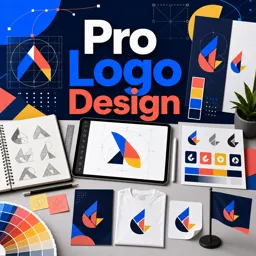
The Essential Principles of Effective Logo Design

Discover the core principles of effective logo design to create simple, memorable, versatile, relevant, and timeless logos that resonate.

Share on Linkedin Share on WhatsApp

Estimated reading time: 2 minutes

Article image The Essential Principles of Effective Logo Design

Logo design is a cornerstone of branding, shaping how audiences perceive and connect with a company. A thoughtfully crafted logo grabs attention, communicates core values, and sets the tone for all future interactions. Understanding the essential principles ensures your logos are impactful and enduring.

SIMPLICITY IS KEY

A simple logo is easy to recognize, remember, and reproduce across all media. Iconic examples like Apple and Nike demonstrate how minimalism creates instant recognition. Avoid unnecessary complexity to ensure clarity at any size—from billboards to mobile icons.

MEMORABILITY

A strong logo leaves a lasting impression. Unique and distinctive designs help brands stand out in crowded marketplaces. Focus on creating a design that is both recognizable and meaningful without overcomplicating the visual message.

VERSATILITY

Your logo must work in every context. Whether embroidered on merchandise or displayed as a digital favicon, versatility ensures it remains effective regardless of color, background, or size. Test your design in black-and-white and on both light and dark surfaces to confirm adaptability.

RELEVANCE

A logo should reflect the brand’s identity and resonate with its target audience. Consider industry norms, brand personality, and audience expectations. For example, law firms often use strong, traditional typefaces to convey trust, while creative agencies might choose bold shapes and vibrant colors to express innovation.

TIMELESSNESS

Trends come and go, but great logos endure. Avoid overly trendy elements that may quickly feel dated. Aim for classic designs—like Coca-Cola or Rolex—that maintain relevance and appeal for decades.

CONCLUSION

Effective logo design goes beyond aesthetics. By prioritizing simplicity, memorability, versatility, relevance, and timelessness, you create logos that communicate a brand’s essence with clarity and impact. Focus on these principles to craft designs that inspire trust, recognition, and lasting connections.

Video Editing Workflow Essentials: From Ingest to Export (Plus a Simple Checklist)

Learn a practical video editing workflow from ingest to export, with organization tips, audio cleanup, color correction, and a simple QC checklist.

Storyboard to Screen: A Practical Workflow for Polished Video Animations

Learn a practical storyboard-to-screen workflow for video animations, from concept and animatics to lighting, rendering, and final polish.

Procedural Animation in Blender: Create Looping Motion with Modifiers, Drivers, and Noise

Learn how to create looping procedural animations in Blender using modifiers, drivers, and noise for faster, reusable motion graphics workflows.

From Keyframes to Kinetics: Timing, Spacing, and Motion Curves for Better Video Animations

Learn how timing, spacing, and motion curves improve video animations, with practical tips for smoother, more professional motion.

Animating Smarter: A Practical Guide to Motion Graphics Workflows for Video Animations

A practical guide to motion graphics workflows for video animations—planning, styleframes, animatics, asset management, and export best practices.

Animating for Impact: 12 Motion Design Principles to Make Any Video Animation Feel Professional

Learn 12 essential motion design principles to improve video animations, from timing and easing to hierarchy and motivated transitions.

UX Writing for Designers: Craft Microcopy That Guides, Reassures, and Converts

Learn UX writing principles and microcopy techniques that improve clarity, reduce errors, and guide users through digital interfaces.

UX Portfolio Case Studies: A Clear Structure That Recruiters Can Scan in Minutes

Learn a clear UX case study structure that recruiters can scan quickly, showing your decisions, process, and outcomes effectively.