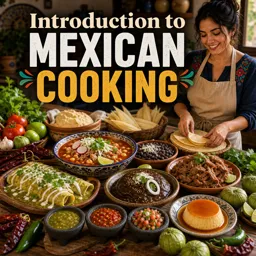
Mexican cuisine is celebrated worldwide not only for its vibrant flavors and cultural richness but also for its wide variety of sauces and salsas. For aspiring culinary professionals, mastering these sauces is key to understanding the very heart of Mexican cooking.
The Essence of Mexican Sauces
Known as salsas in Mexico, sauces are more than just side dishes—they are central to the dining experience. Each sauce combines native ingredients such as tomatoes, tomatillos, chiles, herbs, and spices, reflecting both regional traditions and historic influences.
Essential Ingredients and Tools
- Chiles: Fresh and dried varieties—jalapeño, guajillo, ancho, chipotle—each bring unique flavor and heat levels.
- Tomatoes and Tomatillos: Core bases for red and green salsas, offering sweetness or tang.
- Herbs: Cilantro, epazote, and oregano add aroma and depth.
- Traditional Tools: The molcajete (stone mortar and pestle) and comal (flat griddle) are key for authentic textures and flavors.
Core Mexican Sauces Every Chef Should Master
Salsa Roja
A classic red sauce of roasted tomatoes, chiles, onion, and garlic. Perfect for dipping, topping tacos, or serving as a base for cooked dishes, it balances heat and sweetness beautifully.
Salsa Verde
Made with tomatillos, green chiles, and fresh herbs, salsa verde offers brightness and acidity. Ideal with grilled meats, enchiladas, or tacos.
Mole
A complex and layered sauce that combines chiles, spices, seeds, nuts, chocolate, and fruits. Regional variations like mole poblano or mole negro highlight Mexico’s culinary diversity.
Adobo and Pipian
- Adobo: Built on dried chiles and spices, often used for marinades and braises.
- Pipian: Nutty, rich sauces made from pumpkin seeds or peanuts, adding unique depth.
Techniques for Success
- Roast or char ingredients on a comal or open flame to enhance sweetness and smoky depth.
- Grind by hand in a molcajete to release essential oils and achieve fuller flavors.
- Season carefully, balancing acidity with salt, lime juice, or even a touch of sugar.
Professional Applications
In professional kitchens, mastering Mexican sauces enhances menu versatility and allows chefs to highlight authenticity. These foundational preparations empower chefs to:
- Elevate traditional Mexican dishes.
- Create innovative fusion recipes.
- Deliver memorable, culturally rooted dining experiences.
Conclusion
Authentic Mexican sauces embody both tradition and opportunity. By mastering these foundational salsas, chefs can unlock a world of flavor, elevate their culinary practice, and bring cultural authenticity to every plate. From classic tacos to contemporary interpretations, sauces and salsas are indispensable in culinary excellence.