
An Aviation adds crème de violette, which gives the gin-and-lemon sour its floral flavor and pale violet color.

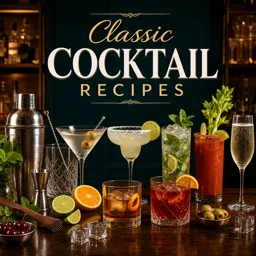
Duration of the online course: 1 hours and 27 minutes
5

(1)
Master classic cocktails at home with this free online course—shake, stir, garnish, and balance flavors like a pro, plus practice quizzes for confidence.
Build real bartending confidence by learning to make iconic classic cocktails with the kind of precision that separates a decent drink from a memorable one. This free online course guides you through the essential methods used behind the bar—shaking, stirring, muddling, layering, and proper garnishing—so you can repeat great results, whether you’re mixing at home, training for hospitality work, or simply leveling up your culinary skills.
Instead of relying on vague tips, you’ll learn how small choices change the final flavor: how to balance citrus and sweetness, when dilution is your friend, and why ice size, glass preparation, and finishing touches matter. You’ll practice drinks that showcase different profiles, from crisp and aromatic gin classics to whiskey-forward staples, sparkling celebratory pours, and brunch-ready favorites. Along the way, you’ll understand the role of aperitifs, the purpose of rinses and float techniques, and the details that give certain cocktails their signature look and aroma.
To help you remember what you learn, short exercises reinforce key decisions in each recipe—so you can confidently explain what makes a variation unique, choose the right base spirit, and adjust a drink without losing its character. By the end, you’ll be able to approach a recipe with a bartender’s mindset: method first, balance always, and presentation as the final layer of flavor. If you want a practical, enjoyable way to develop professional skills in culinary craft, this course turns a set of well-known drinks into a strong foundation you can use for years.

1 hours and 27 minutes of online video course

Digital certificate of course completion (Free)

Exercises to train your knowledge

100% free, from content to certificate
What makes an Aviation cocktail different from a classic gin sour?
An Aviation adds crème de violette, which gives the gin-and-lemon sour its floral flavor and pale violet color.
What are the three equal ingredients in a classic Negroni?
A classic Negroni uses equal parts gin, Campari, and sweet vermouth.
What is the traditional ingredient ratio for a Sidecar cocktail?
The classic Sidecar ratio is two parts cognac, one part orange liqueur, and one part fresh lemon juice.
Ready to get started?Download the app and get started today.
Install the app now
to access the course
Over 5,000 free courses
Programming, English, Digital Marketing and much more! Learn whatever you want, for free.

Study plan with AI
Our app's Artificial Intelligence can create a study schedule for the course you choose.

From zero to professional success
Improve your resume with our free Certificate and then use our Artificial Intelligence to find your dream job.
You can also use the QR Code or the links below.



Free CourseIntroduction to Mexican Cooking
5
(2)

2h57m

10 exercises
Free CourseGanache for Cake Decorating: Beginner Ganaching Techniques
5
(1)
1h41m
19 exercises
Free CourseBaking school
5
(19)
3h56m
14 exercises
Free CourseSourdough - Start to Finish
5
(4)
3h47m
5 exercises
Free CourseBarista Training Series: Espresso, Milk Texturing and Latte Art
5
(2)
25m
8 exercises
Free CourseBread Baking Fundamentals: Yeast, Sourdough and Shaping
5
(1)
1h44m
8 exercises
Free CourseItalian cooking class
4.8
(6)
36m
5 exercises
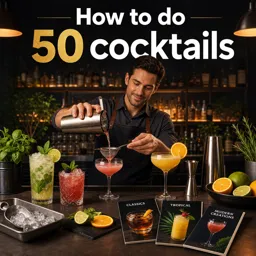
Free CourseHow to do 50 cocktails
4.8
(6)
28m
6 exercises
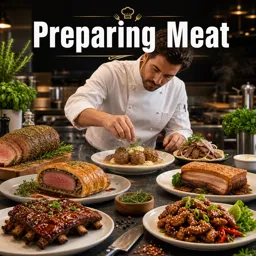
Free CoursePreparing Meat
4.8
(71)
50m
18 exercises
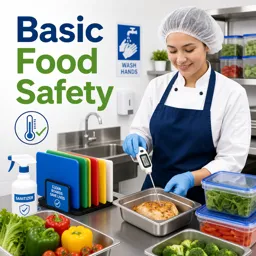
Free CourseBasic Food Safety
4.7

(31)
40m
10 exercises
Carry knowledge in your pocket.
Download the Cursa app.
There are hundreds of free courses available, with a free certificate of completion that is saved in your mobile image gallery.
Download the app to access the Course Completion Certificate for Free.


+ 10 million
students

Free and Valid
Certificate

60 thousand free
exercises

4.8/5 rating in
app stores

Free courses in
video and ebooks
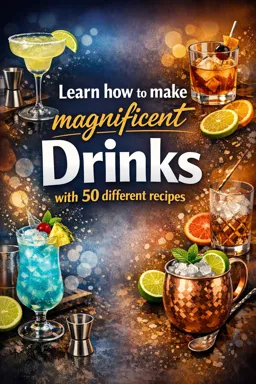
Course comments: Classic Cocktail recipes
Tami Agosto
Mr. Eben Freeman makes recipes so easy to follow. Explains, teaches so precise. Would like to see more of his teachings.