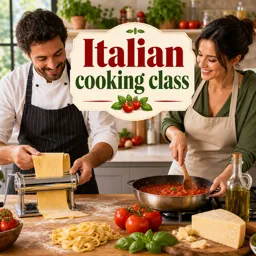
Italian cuisine is celebrated worldwide for its vibrant flavors, time-honored traditions, and emphasis on high-quality ingredients. Among its iconic dishes, risotto stands out for its creamy texture, rich stocks, and versatile accompaniments.
The Foundation of Risotto: Rice Selection
Choosing the right rice is essential for authentic risotto. Arborio, Carnaroli, and Vialone Nano are top choices for professional kitchens. Their high starch content is key to achieving the signature creamy consistency without losing the rice’s structure.
Essential Risotto-Making Techniques
- Toasting the Rice (Tostatura): Sauté onions in olive oil or butter until translucent, then add the rice. Toasting locks in the rice’s shape during cooking.
- Deglazing: Add a splash of white wine after toasting and cook off to enhance flavor layers.
- Gradual Stock Addition: Slowly pour hot broth a ladle at a time, stirring frequently. This releases starch, creating a creamy texture without heaviness.
- Mantecatura: When the rice is al dente and creamy, remove from heat and stir in cold butter and Parmesan for a luxurious finish.
Exploring Risotto Variations
Risotto’s adaptability makes it a chef’s creative canvas. Popular variations include:
- Risotto alla Milanese: Saffron-infused, rich, and aromatic.
- Risotto ai Funghi: Wild mushrooms, garlic, and herbs for earthy depth.
- Seafood Risotto (Risotto ai Frutti di Mare): Shrimp, mussels, and clams finished with parsley and lemon zest.
- Vegetable Risotto: Spring peas, asparagus, or butternut squash for vibrant vegetarian options.
Tips from Italian Masters
- Always use homemade or high-quality stock for maximum flavor.
- Keep the rice moving gently during cooking to prevent sticking and encourage starch release.
- Finish with fresh herbs or a drizzle of truffle oil for a restaurant-quality touch.
Conclusion
Mastering risotto unlocks one of Italian cuisine’s most versatile and beloved dishes. Whether served as a primo piatto(first course) or gourmet main, risotto showcases technique, creativity, and the heart of Italian cooking.