Introduction to Seismology
Seismology is the scientific study of earthquakes and the propagation of elastic waves through the Earth. It is a fundamental branch of geoscience and plays an essential role in our comprehension of Earth’s internal structure and dynamics. Seismologists analyze seismic waves generated by natural events like earthquakes and artificial sources such as controlled explosions to learn about the planet’s inner layers.
How Seismology Works
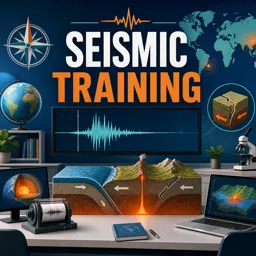
Seismology relies on observing seismic waves as they travel through Earth’s layers. Instruments called seismographsor seismometers record these waves. By studying their arrival times and behaviors at various locations, scientists infer properties about the Earth’s interior.
- P-waves (Primary Waves): Fastest compressional waves traveling through solids, liquids, and gases.
- S-waves (Secondary Waves): Slower transverse waves that only move through solids.
- Surface Waves: Travel along Earth’s surface and often cause the most earthquake damage.
Seismology and Earth’s Internal Structure
Changes in seismic wave speed and direction reveal the nature of Earth’s layers, such as the crust, mantle, and core. For example, the inability of S-waves to pass through the outer core indicates it is liquid. Such insights help map Earth’s composition and its dynamic inner processes.
Applications of Seismology
- Earthquake Monitoring: Critical for detecting quakes and enabling early warning systems.
- Resource Exploration: Used to locate underground oil, gas, and mineral deposits.
- Understanding Plate Tectonics: Helps map tectonic plate movements and boundaries.
- Engineering and Safety: Informs construction standards in earthquake-prone regions.
Seismology in Everyday Life
Seismology enhances public safety, supports sustainable resource extraction, and advances our understanding of planetary processes. Its findings contribute to earthquake-resistant building design and emergency preparedness protocols worldwide.
Conclusion
Seismology provides invaluable insight into the dynamic processes shaping Earth. From detecting earthquakes to exploring the planet’s deep interior, this science remains essential in geography and geoscience fields.