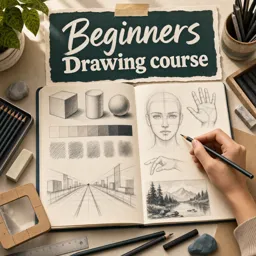
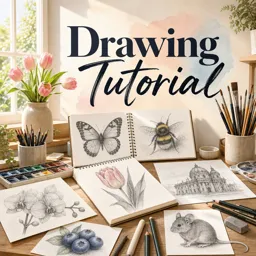
Starting to draw can feel intimidating, but with the right projects, anyone can enjoy this creative pursuit. In this article, you’ll find beginner-friendly drawing projects that boost your confidence, nurture your observation skills, and make drawing fun and accessible from the very first line.
Why Start with Simple Drawing Projects?
Simple drawing projects provide structure and achievable goals for beginners. This approach not only improves your skills steadily but also keeps frustration at bay. By focusing on easy, engaging subjects, you’ll learn to see the world as an artist—spotting shapes, forms, and relationships between objects.
Project 1: Everyday Object Sketches
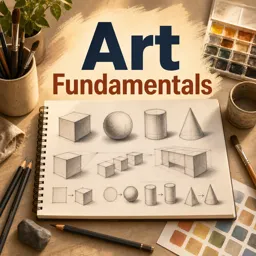
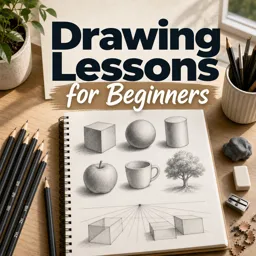
Begin with familiar objects like a mug, plant, or a set of keys. Place them in front of you and examine their shapes and proportions. Use light pencil strokes to outline the main contours. Don’t aim for perfection—your goal is to observe and capture the essence of the object.
Tip: Try drawing the same object from different angles to build your visual understanding.
Project 2: Simple Still Life Arrangements
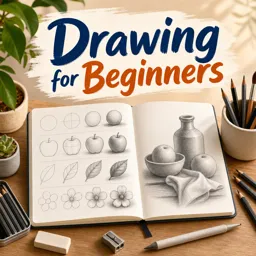
Create a basic still life on your table with a few fruits or household items. Arrange them in an interesting composition. Lightly sketch the entire arrangement, focusing on how the objects interact with each other. Pay attention to overlapping elements and relationships in size.
Project 3: Line and Doodle Exploration
Give yourself permission to play! Make pages filled with different lines and repetitive doodles. Experiment with thickness, curve, and direction. This exercise helps loosen up your wrist and builds muscle memory for more controlled, confident drawing.
Project 4: Copying Simple Illustrations
Find simple illustrations or coloring book pages and try copying them by hand. This helps you learn new styles, develop hand-eye coordination, and discover linework techniques.
Setting a Practice Routine
Consistency is key. Set aside a few minutes each day to work on these projects. Document your progress in a sketchbook—seeing growth over time is encouraging and motivating for beginners.
Conclusion
Drawing is a skill that improves with patience, practice, and curiosity. By starting with approachable projects and focusing on enjoyment and progress, you’ll lay a strong foundation for your artistic journey. Happy drawing!