Introduction to Modern Bakery Techniques
The world of professional baking is constantly evolving. Today, bakers are exploring new ingredients, methods, and techniques to meet the demands of modern customers. From sourdough craftsmanship to the rise of gluten-free alternatives, mastering these skills will set you apart in the culinary field.
The Importance of Sourdough in Today’s Bakeries
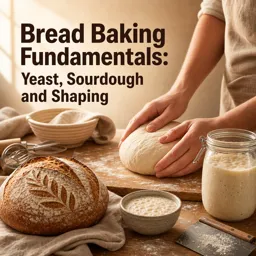
Sourdough bread has surged in popularity for its rich flavors and natural leavening. Professional courses focus on understanding starter culture maintenance, fermentation control, and baking methods that create an excellent crust and crumb texture.
- Starter Culture Care: Learn how to feed, store, and revive your rye or wheat starters.
- Fermentation Timing: Grasp the crucial balance of temperature and timing to achieve desired sourness and texture.
Exploring Rye: Techniques and Flavors
Rye bread offers complex flavors and a dense crumb. Mastery involves:
- Understanding rye flour hydration needs
- Lessons in creating traditional loaves like pumpernickel and seeded rye
- Controlling oven steam for optimal crust and softness
Innovative Gluten-Free Baking
The demand for gluten-free products continues to rise. Learn how to:
- Select alternative flours such as buckwheat, rice, and sorghum
- Use binding agents and fermentation techniques for texture
- Develop signature gluten-free loaves and sweet breads
Expanding Your Professional Bakery Skills
Professional bakery courses integrate essential industry practices, including:
- Ingredient Sourcing: Find quality flours, seeds, and inclusions for unique flavors.
- Process Optimization: Streamline production for consistency and scale.
- Creative Presentation: Utilize modern scoring, stenciling, and shaping techniques.
Conclusion
Modern bakery techniques merge tradition with innovation. Whether you’re elevating sourdough, mastering rye, or crafting gluten-free options, professional training can help you confidently expand your product line and delight today’s discerning customers.