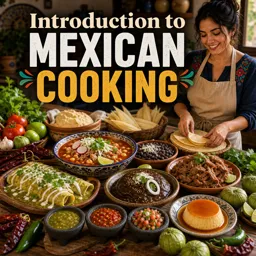
Mexican cuisine is admired worldwide for its bold flavors, vibrant colors, and rich culinary traditions. For aspiring chefs and culinary professionals, mastering its foundations opens the door to an array of techniques and dishes that can elevate any professional kitchen. This article explores the essential skills and knowledge every chef should develop to excel in Mexican gastronomy.
Understanding the Building Blocks: Ingredients and Staples
The backbone of Mexican cooking lies in its fresh, diverse ingredients. Corn, beans, and chiles form the base of countless iconic dishes. Fresh herbs like cilantro and epazote, an array of peppers—both fresh and dried—tropical fruits, and unique cheeses all contribute to Mexico’s distinct culinary identity. Developing expertise in sourcing and identifying authentic ingredients is a crucial step for chefs aiming to achieve true authenticity.
Core Techniques in Mexican Cooking
- Nixtamalization and Tortilla Making: The ancient process of soaking and cooking corn in limewater to create masa is the foundation for tortillas, tamales, and other classics.
- Salsa Preparation: From fresh salsa fresca to cooked varieties, chefs must learn to balance flavors and textures, often using traditional tools like the molcajete.
- Slow Cooking Methods: Dishes such as barbacoa and cochinita pibil require slow roasting and leaf-wrapping, demanding patience and precision.
- Sauce Mastery: Complex sauces like mole and adobo involve toasted spices, seeds, nuts, and even chocolate, requiring skill in timing and blending.
- Street Food Skills: From tacos to gorditas, professional chefs must master efficient, authentic preparation techniques for Mexico’s beloved street foods.
Plating and Presentation
Mexican cuisine is as visually striking as it is flavorful. Professional chefs learn to highlight vibrant colors, incorporate fresh garnishes, and use traditional tableware to elevate presentation. This focus on artistry ensures dishes are not only delicious but also inviting to the eye.
Contemporary and Fusion Trends
Modern Mexican cuisine continues to evolve, blending traditional recipes with global influences and contemporary cooking methods. Chefs are encouraged to balance authenticity with innovation, creating unique interpretations while preserving cultural roots.
Conclusion
Mastering Mexican cuisine is a rewarding journey that expands both technique and creativity for culinary professionals. With professional training, chefs gain the cultural knowledge, technical expertise, and confidence to bring the bold and diverse flavors of Mexico to professional kitchens worldwide.