Choking is a frightening emergency that can happen to anyone, anywhere, and it often occurs while eating. When someone’s airway becomes blocked, every second counts, and knowing how to respond can make the difference between a scare and a tragedy. The good news is that the basic techniques are simple to learn and can be applied by anyone. This step-by-step guide will help you recognize choking and act quickly and confidently.
What happens during choking
Choking occurs when an object, usually food, blocks the airway and prevents air from reaching the lungs. A partial blockage still allows some air to pass, while a complete blockage stops airflow entirely. A complete blockage is a life-threatening emergency because the brain and body cannot get the oxygen they need within minutes.
How to recognize the signs
Being able to identify choking quickly is essential. Common signs include:
- Clutching the throat with the hands, a universal sign of choking.
- Inability to speak, cough, or breathe.
- Weak or silent coughing, or high-pitched sounds when trying to breathe.
- Skin, lips, or nails turning blue.
- Panic, distress, or eventually loss of consciousness.
If the person can cough forcefully or speak, the airway is only partially blocked. In that case, encourage them to keep coughing, since coughing is the most effective way to clear the obstruction.
What to do for a conscious adult or child
If the person cannot breathe, cough, or speak, act immediately. A common approach combines back blows and abdominal thrusts.
- Call for help: ask someone to contact emergency services right away, or do it yourself if you are alone once initial attempts are made.
- Give back blows: stand to the side and slightly behind the person, support their chest with one hand, lean them forward, and deliver up to five firm blows between the shoulder blades with the heel of your hand.
- Give abdominal thrusts: stand behind the person, place a fist just above the navel, grasp it with your other hand, and pull sharply inward and upward up to five times.
- Alternate: continue alternating five back blows and five abdominal thrusts until the object is dislodged or help arrives.
Always follow the most recent guidance from recognized health organizations, as recommendations can vary by region and by the age of the person.
Special situations
Some cases require adapted techniques. Knowing the differences in advance helps you respond appropriately.
| Situation | Key adaptation |
|---|---|
| Infants under one year | Use gentle back blows and chest thrusts, never abdominal thrusts |
| Pregnant or larger individuals | Perform chest thrusts instead of abdominal thrusts |
| Person becomes unconscious | Lower them safely, call emergency services, and begin CPR if trained |
If the person becomes unconscious
If the person loses consciousness, lower them carefully to the ground and make sure emergency services are on the way. If you are trained in cardiopulmonary resuscitation (CPR), begin chest compressions, as they can help move air and dislodge the object. Each time you open the airway to give breaths, look for the object and remove it only if you can clearly see it. Never perform a blind finger sweep, as this may push the object deeper.
How to reduce the risk of choking
- Cut food into small pieces and chew slowly and thoroughly.
- Avoid talking or laughing with a full mouth.
- Keep small objects and hazardous foods away from young children.
- Supervise children while they eat and choose age-appropriate foods.
Staying calm and acting fast
In an emergency, panic is natural, but staying as calm as possible helps you think clearly and act effectively. Take a breath, assess the situation, and remember the basic steps. Speak reassuringly to the person if they are conscious, since fear can make the situation worse. Your calm presence can help them stay still enough for the techniques to work.
It also helps to know your limits. If you are unsure or untrained, calling emergency services immediately and following the dispatcher’s instructions is one of the most important things you can do. Many operators are trained to guide bystanders through first aid over the phone, step by step, until professional help arrives.
Why everyone should learn first aid
Emergencies rarely give warning, and the people most likely to help are those nearby, not medical professionals. By learning simple first aid techniques, you gain the confidence to act instead of freezing in a critical moment. These skills are valuable at home, at work, and in public, and they can genuinely save lives.
Conclusion
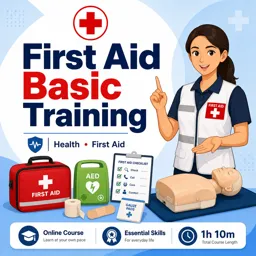
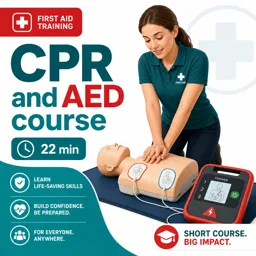
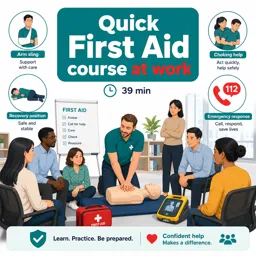
Knowing how to respond to choking is a skill everyone should have. By recognizing the signs early, calling for help, and applying back blows and abdominal thrusts correctly, you can help someone breathe again in a matter of moments. Remember that this guide is educational and does not replace hands-on training. To build real confidence and learn proper technique, consider taking the free first aid courses available on Cursa and be prepared to help when it matters most.